
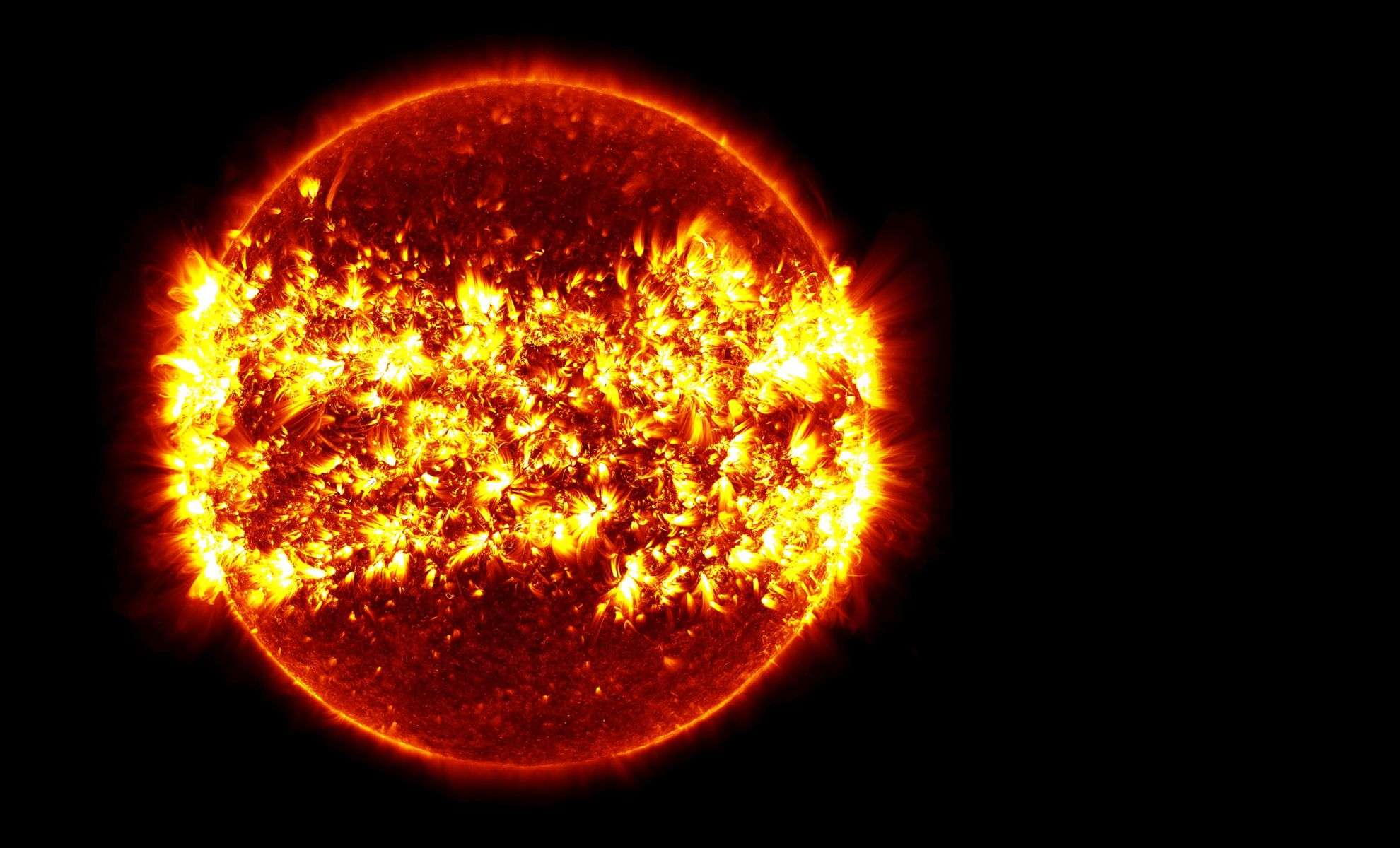
Scientists at the University of Hawai’i have finally resolved the enigma surrounding solar rain occurring in the Sun’s corona, the star’s outermost atmospheric layer. This phenomenon involves streams of plasma descending back to the solar surface after being energized by solar flares. This advancement promises to sharpen solar atmospheric models, enhance forecasts of space weather, and bolster Earth’s defenses against solar disturbances.
Uncovering the Sun’s Hidden Complexities
For years, the formation of these plasma droplets during solar flare events—which can erupt in a matter of minutes—has puzzled researchers. Graduate student Luke Benavitz from the University of Hawai’i Institute for Astronomy (IfA), alongside astronomer Jeffrey Reep, has provided fresh insights into the rapid emergence of these features. Benavitz explains:
“When we allow elements like iron to change with time, the models finally match what we actually observe on the Sun.” Their findings suggest that the behavior of these elements in the Sun’s atmosphere was a crucial factor in how solar rain forms so rapidly.
Add Cosmo Herald as a Preferred Source

A major revelation from their results is the realization that static assumptions about the Sun’s corona need revision. Previously, models treated the distribution of elements such as iron as unchanging. The new study demonstrates that these element abundances fluctuate over time, influencing solar rain formation during flares.
This fresh perspective substantially improves solar flare simulations. Benavitz comments:
“It’s exciting to see that when we allow elements like iron to change with time, the models finally match what we actually observe on the Sun.”
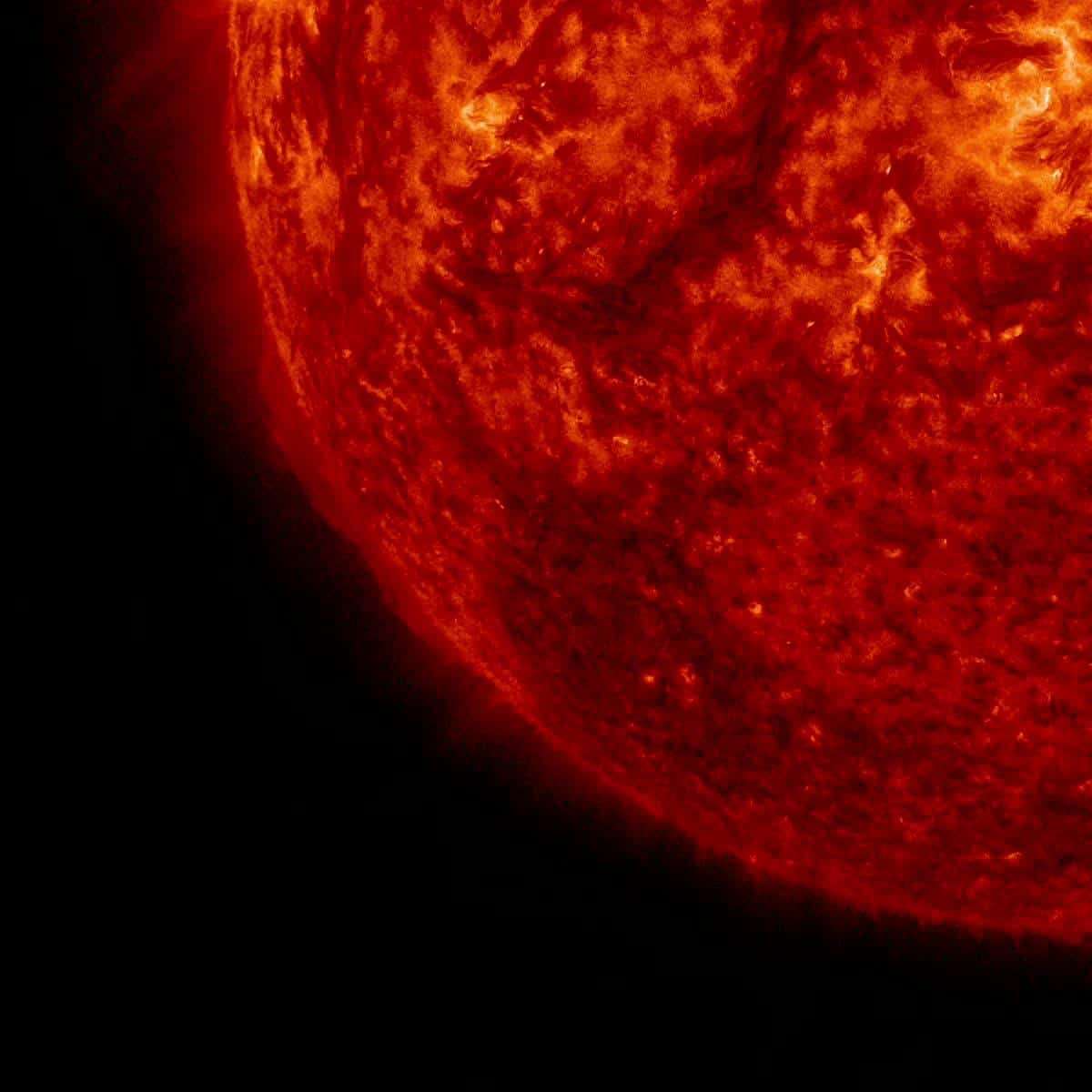
Solar Flares and Their True Impact on Earth
Solar flares unleash tremendous energy within moments. Earlier estimates indicated that solar rain developed over hours or even days, but the study reveals that it can materialize much more swiftly. According to Reep:
“We can’t directly see the heating process, so we use cooling as a proxy.”
Understanding this cooling phase is essential because as plasma rapidly cools, it condenses into droplets that descend back to the solar surface. This expedited solar rain formation aligns more closely with observed solar activity.
With solar flares continuously influencing Earth’s space environment, these insights pave the way for improved forecasting of geomagnetic storms that disrupt satellites, communication networks, and electrical grids. Enhanced comprehension of flare dynamics and atmospheric changes will allow scientists to fine-tune predictive tools for space weather.
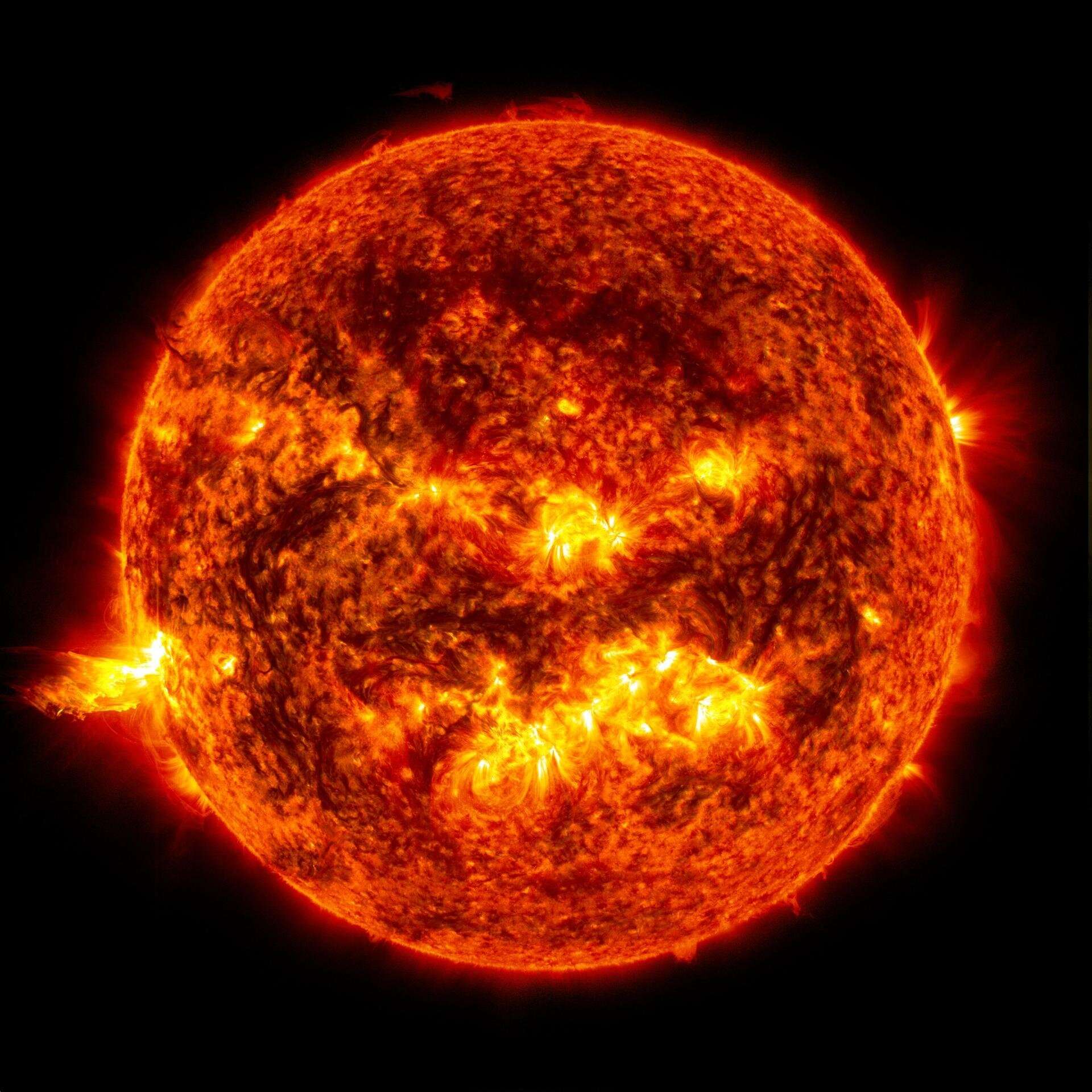
Reevaluating Fundamental Solar Assumptions
This breakthrough challenges preexisting notions regarding energy transport in the Sun’s corona. Earlier frameworks presumed a stable presence of elements in the solar outer layers, but the new findings by Benavitz and Reep reveal that these abundances shift over time.
This prompts a reconsideration of how energy navigates through the Sun’s atmosphere and triggers flares. Reep highlights the significance:
“If our models haven’t treated abundances properly, the cooling time has likely been overestimated.”
This implies that previous misunderstandings of the cooling mechanism during flares may have skewed solar energy models, with far-reaching consequences for solar physics.
- Categories:
- News








0 comments
Sign in to Comment