
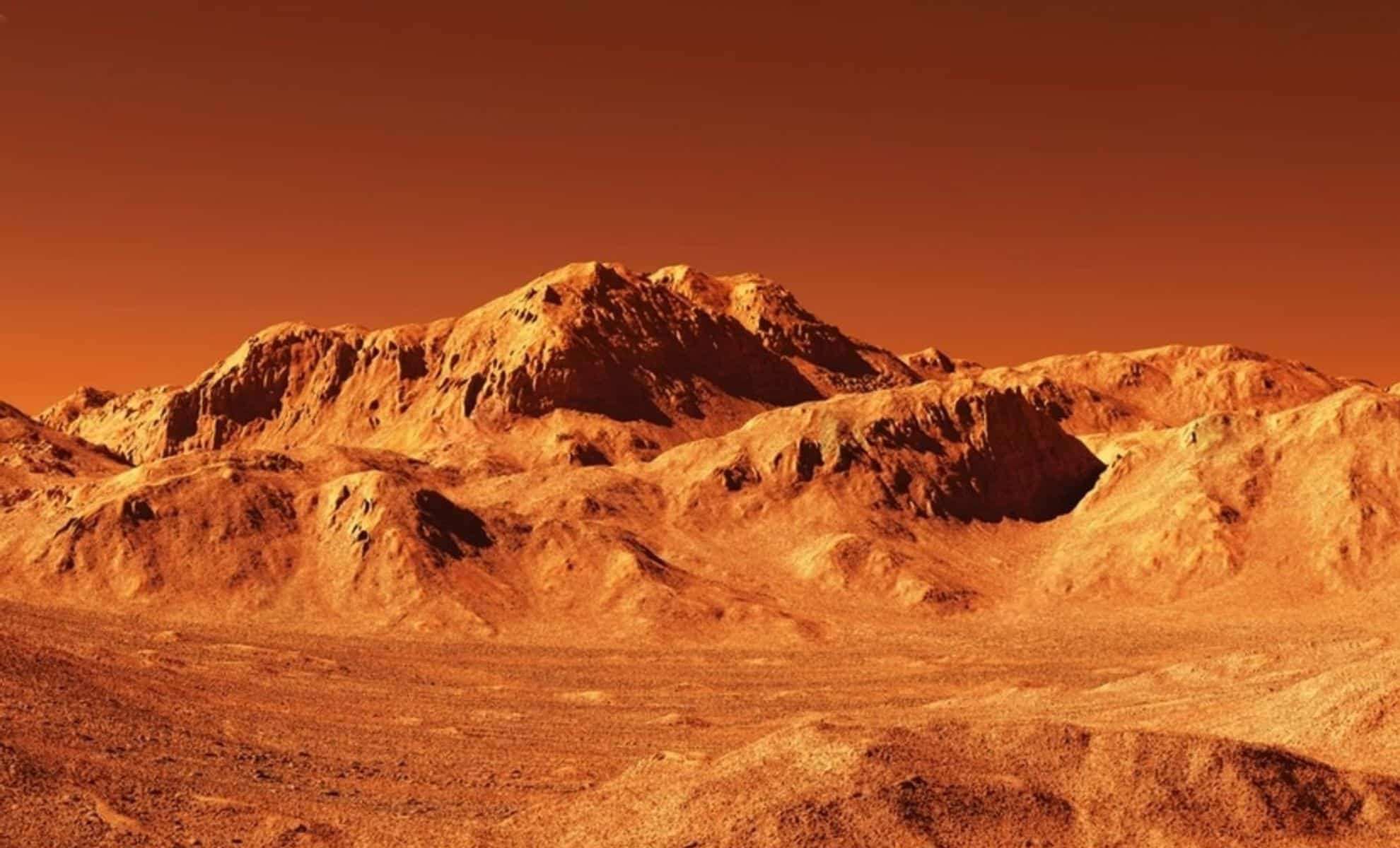
A team of scientists at Harvard University has achieved a breakthrough that could influence the future of extraterrestrial habitation. They have successfully cultivated green algae under simulated Martian environmental conditions.
Algae Cultivation Under Simulated Martian Atmosphere
In a study recently featured in Science Advances, researchers from the Harvard John A. Paulson School of Engineering and Applied Sciences (SEAS) showed that algae can survive and grow in an atmosphere closely resembling that of Mars. Led by environmental science and engineering professor Robin Wordsworth, the research group engineered a habitat made of bioplastics to sustain algae under extremely low pressure conditions.
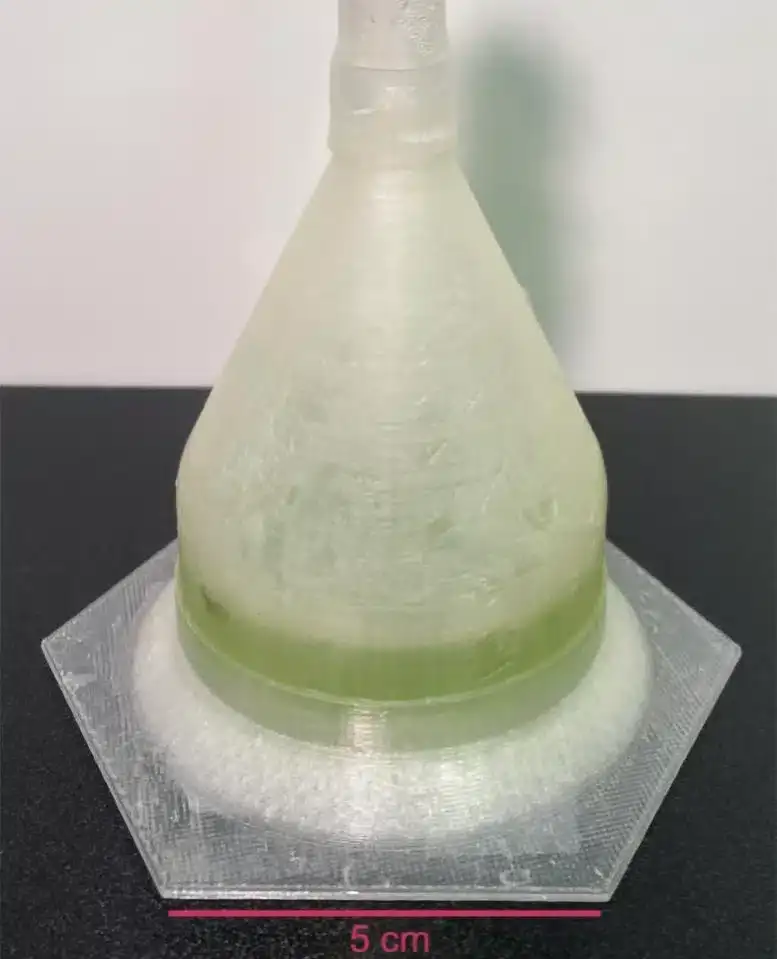
Mars has an atmosphere that’s more than 100 times thinner than Earth’s, making the presence of liquid water nearly impossible. Nevertheless, by crafting a chamber from 3D-printed polylactic acid (a biodegradable plastic), the researchers were able to replicate a controlled environment. This chamber filtered damaging UV rays but permitted sufficient light for photosynthesis, essential for algal growth. Within this bioplastic shelter, the team maintained an atmospheric pressure of 600 Pascals, closely matching Martian conditions.

Eco-Friendly Habitats for Space Exploration
This experiment goes beyond basic scientific inquiry and points toward innovative approaches for creating enduring habitats on Mars and other celestial bodies. According to Robin Wordsworth, “If you have a habitat that is composed of bioplastic, and it grows algae within it, that algae could produce more bioplastic. So you start to have a closed-loop system that can sustain itself and even grow through time.”
Such bioplastic habitats could serve as a sustainable alternative to conventional industrial materials, which are expensive to ship through space. Utilizing biological resources like algae may enable the construction of self-sufficient, eco-friendly habitats that lessen the dependence on Earth-based supply missions.
Harnessing Algae’s Resilience for Space Missions
The species selected for this project, Dunaliella tertiolecta, is recognized for its robustness in extreme environments, making it particularly suitable. The success in stabilizing water content under Mars-like parameters suggests that maintaining environments with lasting liquid water—a necessity for human life—could be attainable on the Red Planet.
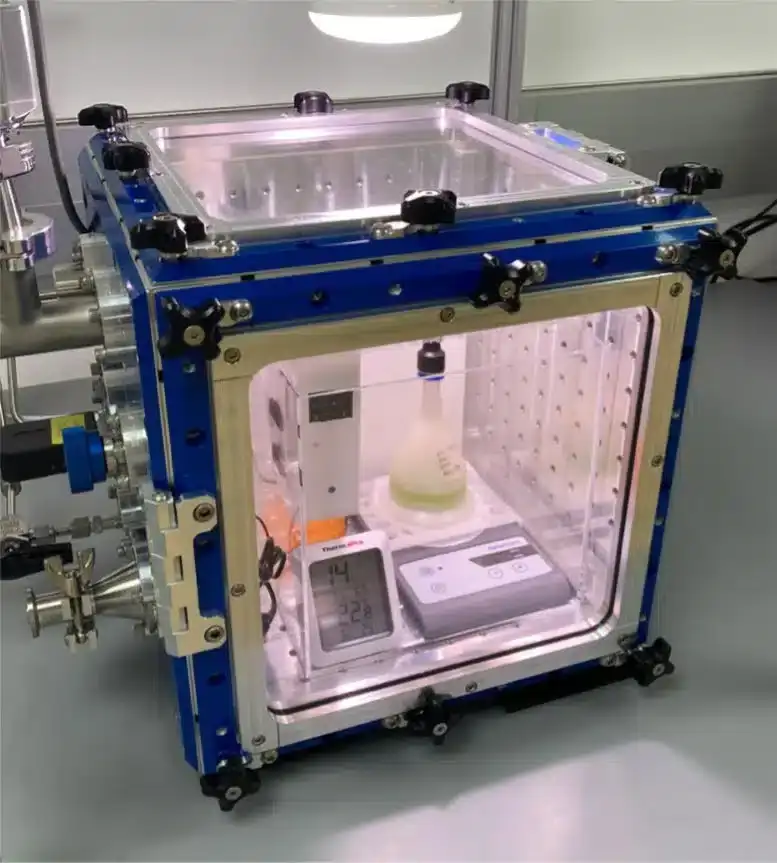
Moving forward, the researchers aim to extend their work by evaluating bioplastic habitats under vacuum conditions pertinent to the Moon or deep space exploration. They are simultaneously developing a closed-loop life support system to enable these habitats to operate autonomously without external supply lines.
- Categories:
- News






0 comments
Sign in to Comment