
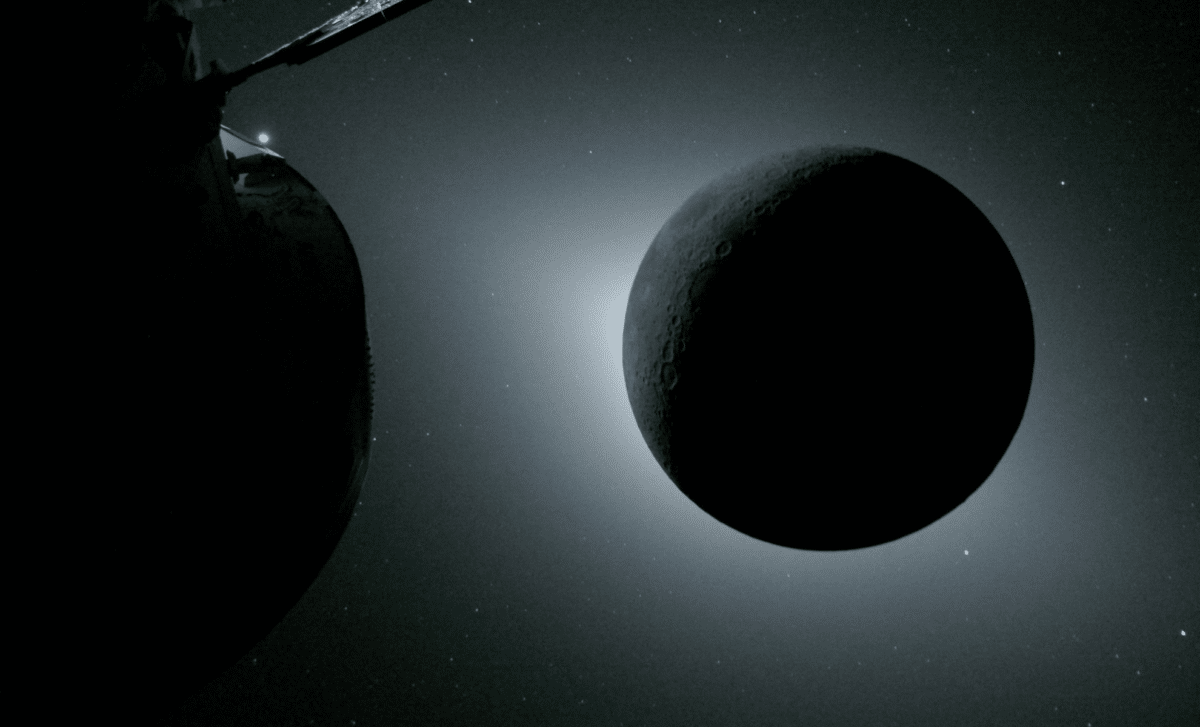
NASA’s Artemis 2 expedition has achieved a remarkable milestone in space exploration by capturing a rare total solar eclipse from a unique vantage point beyond the lunar surface. On April 6, 2026, the crew aboard the Orion spacecraft observed the sun being completely obscured by the moon for an extraordinary 53 minutes while orbiting the far side of the moon. This eclipse duration far exceeds what is possible from Earth, showcasing a spectacular alignment of the sun, moon, and Earth, and pushing the limits of human space travel.
A Spectacular Eclipse Viewed from the Moon's Hidden Side
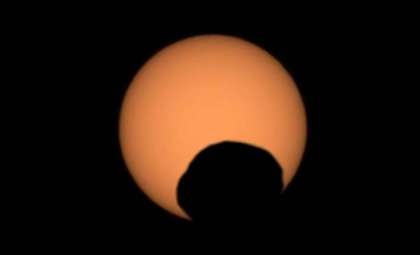
The Artemis 2 crew witnessed a breathtaking celestial event as their spacecraft passed behind the moon. Positioned perfectly, the astronauts experienced the sun being blocked out by the lunar surface, an awe-inspiring sight rarely glimpsed by humans. NASA astronaut Victor Glover described the scene as “unreal” as the sun disappeared behind the lunar disk. The solar corona shone brightly, forming a radiant halo around the moon, an effect intensified in the vacuum of space compared to observations from Earth.
Glover shared his reaction to the extraordinary spectacle:

“This continues to be unreal. The sun has gone behind the moon and the corona is still visible. It’s bright and creates a halo almost around the entire moon.”
Earth’s Glow Illuminates the Lunar Surface During Eclipse
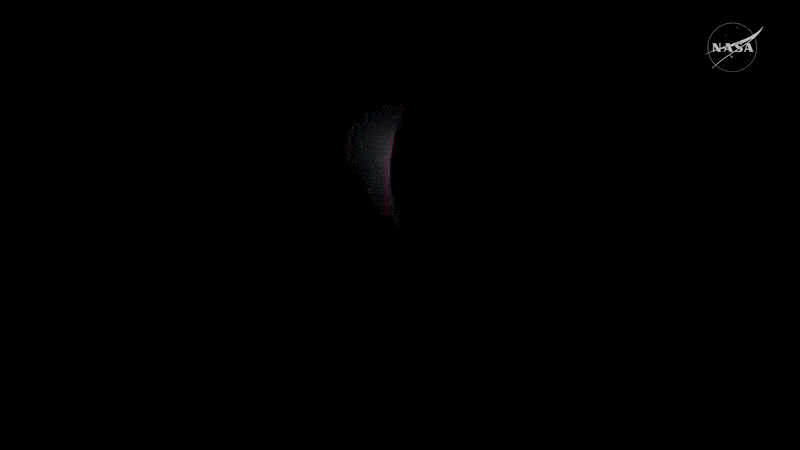
During the extended eclipse, astronauts observed the subtle and enchanting phenomenon known as earthshine. As the sun was obscured, sunlight reflected off Earth’s surface faintly lit the darkened moon, producing a gentle glow visible to the crew. Glover explained this captivating effect:
“When you get to the Earth side, the earthshine has already shown… almost seconds after the sun sets behind the moon, you can see earthshine.”
Witnessing the soft illumination of the moon’s shadowed face by Earth’s reflected light highlighted the profound connections between our planet and the vast universe beyond.
For the Artemis 2 astronauts, this sublime environment underscored their mission's uniqueness and the unparalleled perspectives space exploration affords, opening new windows onto cosmic wonders previously out of reach.
Artemis 2: Milestone in Crewed Lunar Exploration
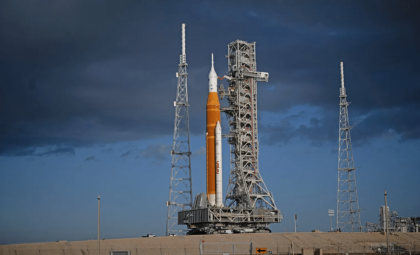
Observing this rare solar eclipse is among the landmark achievements of the Artemis 2 mission. As NASA’s first crewed lunar voyage since Apollo 17, Artemis 2 marks a pivotal return to deep space exploration. It also sets records for human spaceflight distance by venturing beyond low Earth orbit after more than half a century. The unprecedented eclipse viewing exemplifies the mission’s broader goal to pave the way for future moon expeditions and eventual human travel to Mars.
On completion, Artemis 2 is projected to return safely to Earth, splashing down near San Diego on April 10, 2026. This successful conclusion further advances human spaceflight capabilities and enriches our cosmic understanding.
Past and Present: Solar Eclipses Observed from Lunar Orbits
Although rare, the experience of a solar eclipse from lunar orbit is not entirely new. Apollo astronauts previously observed eclipses while circling the moon, but Artemis 2’s flight around the moon’s far side offers a novel viewpoint distinct from Apollo’s more circular orbits. This unique trajectory allowed its crew to witness an eclipse in a way no Apollo astronaut has before.
NASA’s science flight operations lead, Kelsey Young, emphasized the significance: “The eclipse is a beautiful reminder of the uncharted territory Artemis 2 is exploring.” The event also contributed valuable scientific insights regarding space weather interactions and cosmic phenomena’s effects on spacecraft systems.
- Categories:
- Nasa






0 comments
Sign in to Comment