
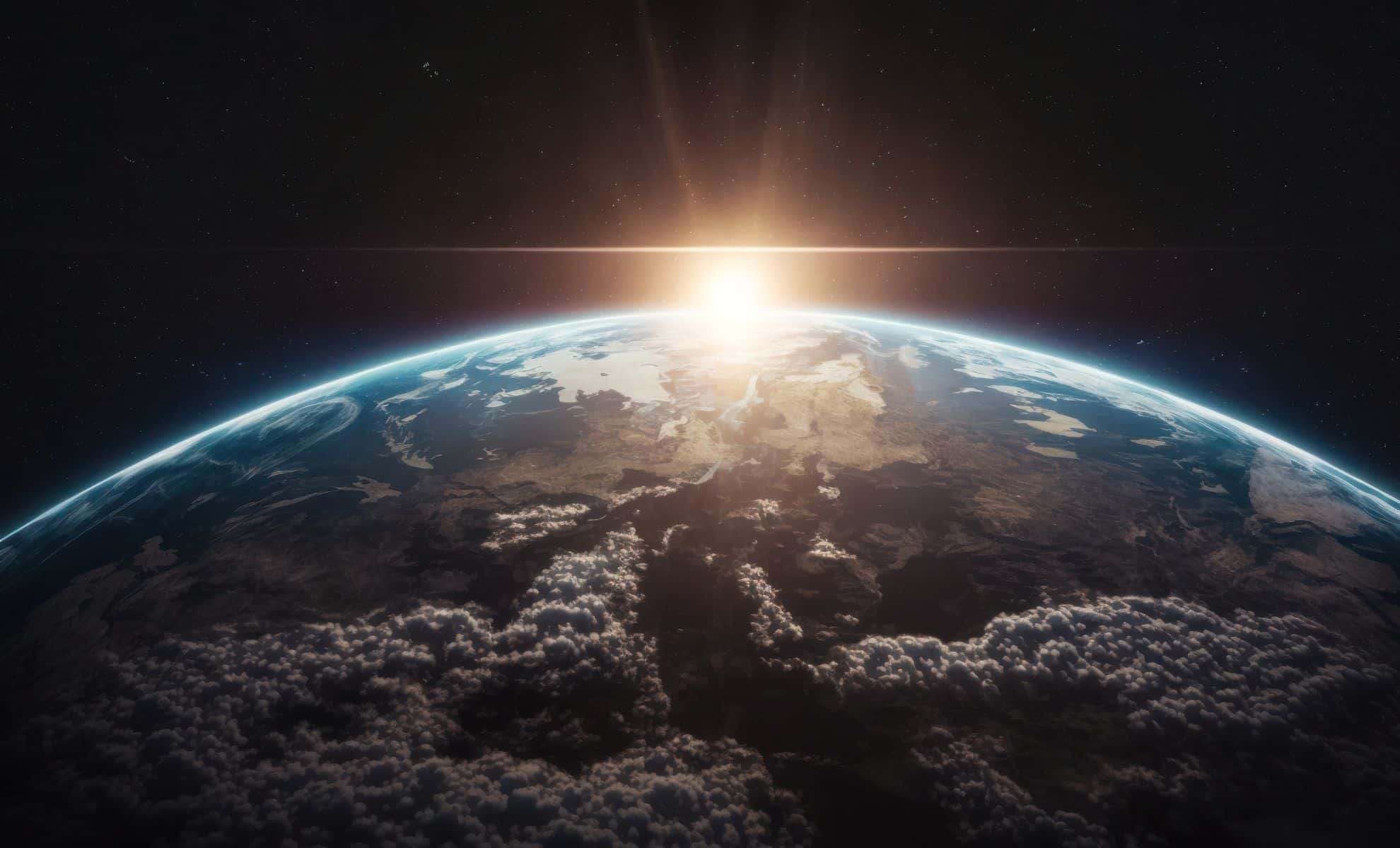
A newly published paperNature Geoscience examines the long-term outlook for Earth’s atmosphere, indicating that oxygen abundance may fall drastically over the next billion years, suffocating complex life. This shift would revert atmospheric conditions to those similar to the period before the Great Oxidation Event around 2.4 billion years ago. The study employs sophisticated models integrating the Sun’s gradual brightening and evolving geochemical cycles, revealing a sobering future for the planet’s biosphere.
Influence of Solar Brightening and Chemical Cycles on Atmospheric Composition
The steady intensification of solar radiation is a driving force behind the transformation of Earth’s atmosphere. As the Sun grows hotter, it alters Earth’s carbon cycling—especially the carbonate-silicate feedback loop that governs CO2 concentrations in the atmosphere. Kazumi Ozaki, an environmental scientist at Toho University, notes, “Discussions about Earth’s biosphere lifespan have long incorporated knowledge of the Sun’s increasing luminosity and the planet’s carbonate-silicate geochemical system. A direct consequence of this framework is the ongoing decline in atmospheric CO2 and consequent planetary warming on geological timescales.” This reduction in CO2 curtails photosynthetic activity, leading to a downturn in oxygen generation. The dynamic relationship between solar output and Earth’s chemical cycles indicates that oxygen levels will not remain steady indefinitely, profoundly affecting the planet’s habitability.
A Future Dramatic Decline in Oxygen and Its Impact on Life
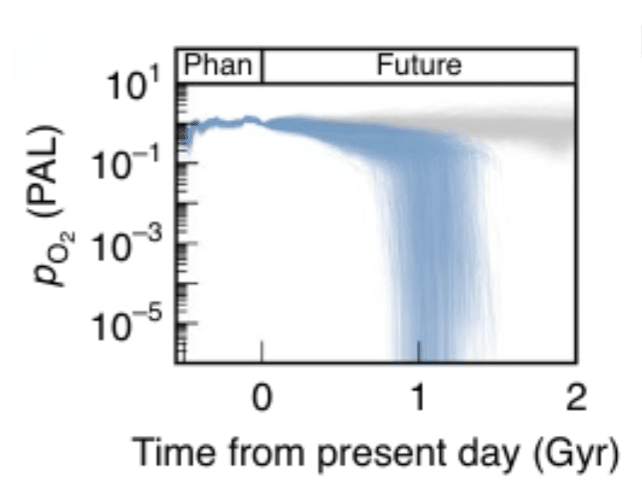
The research forecasts that oxygen concentrations will plunge drastically well before Earth undergoes a “moist greenhouse” climate phase or experiences major surface water loss. The authors explain, “Our model suggests atmospheric deoxygenation, dropping oxygen to levels similar to those of the Archaean Eon, will likely precede the onset of moist greenhouse conditions or large-scale surface water depletion.” According to Chris Reinhard, an Earth scientist from Georgia Tech, this oxygen drop is extreme: “We expect oxygen levels to fall to about a millionth of current values.” This catastrophic oxygen shortage would be fatal for almost all aerobic organisms, marking an end to complex life and a shift toward anaerobic ecosystems.

Reconsidering Life Detection Beyond Our Planet
The findings also have important consequences for astrobiology, suggesting oxygen may not be a reliable, permanent biosignature in exoplanet environments. Oxygen-rich atmospheres could represent only a fraction (20-30%) of a planet’s habitable period. Consequently, worlds with little or no oxygen might still harbor life forms, particularly anaerobes. The Earth of the future is predicted to have a methane-rich atmosphere, depleted CO2, and no protective ozone layer, creating conditions favorable for oxygen-free life. This challenges the prevailing emphasis on oxygen as the universal marker of life and expands the possibilities for recognizing biosignatures on other worlds.
- Categories:
- News







0 comments
Sign in to Comment