
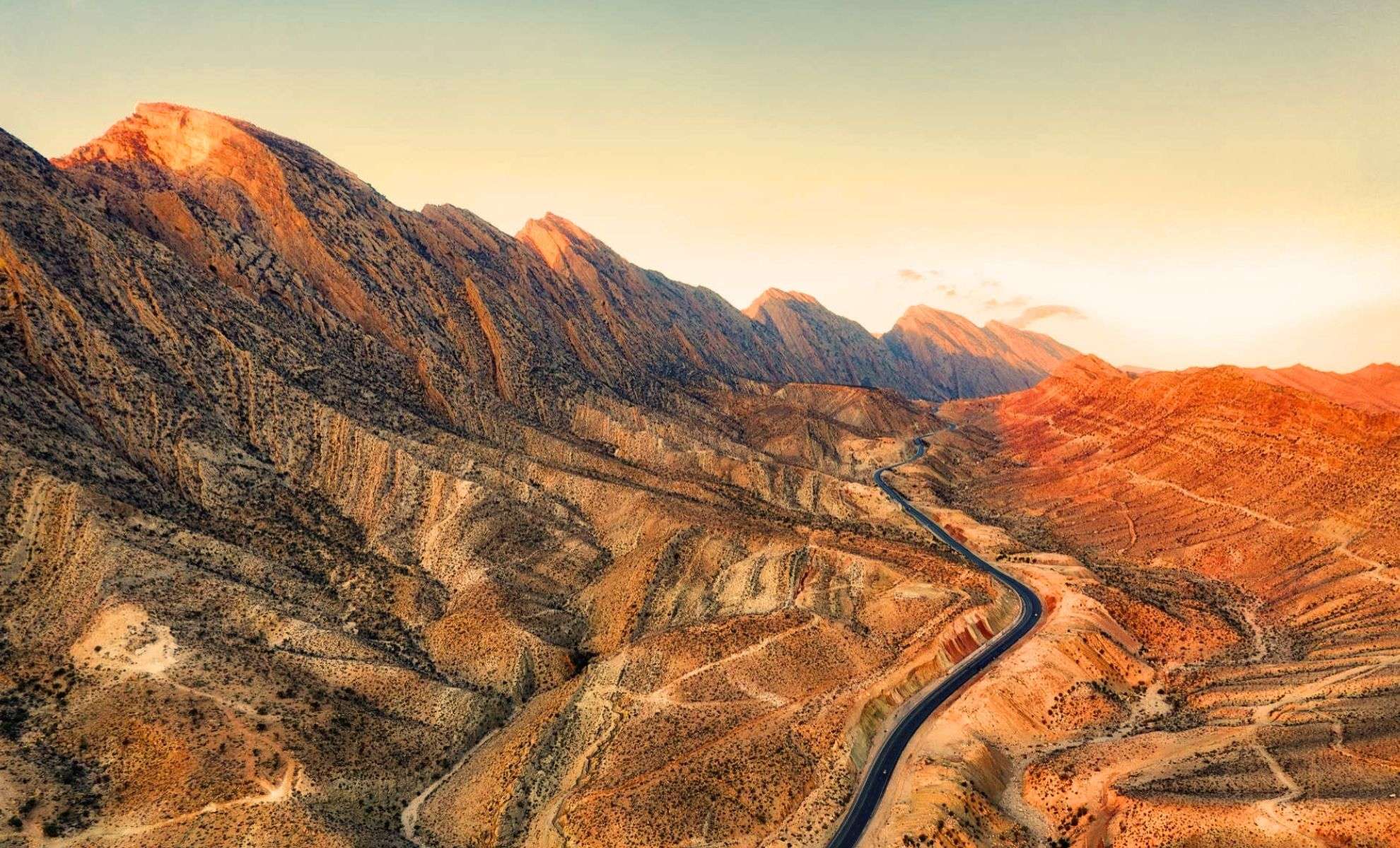
As global attention intensifies on Iran's nuclear ambitions and military infrastructure, a critical component of its defensive approach has emerged: exploiting the nation’s rugged mountainous geography to shield its most secretive facilities. These key sites, deeply embedded within Iran's extensive mountain ranges, utilize natural geological defenses paired with advanced engineering to form nearly impervious protective barriers.
Mountains as Strategic Fortifications
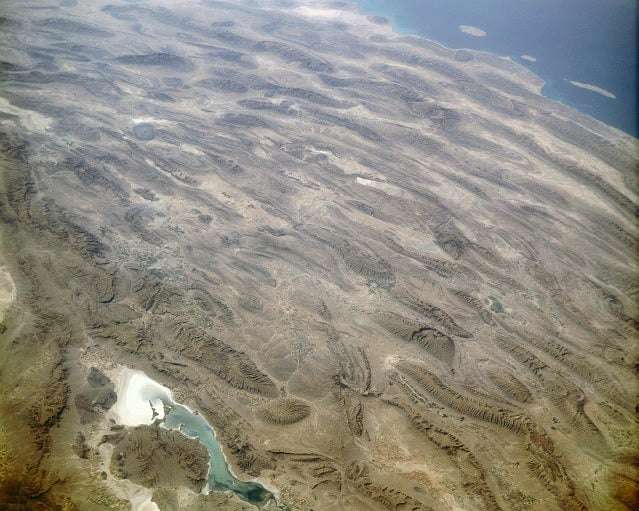
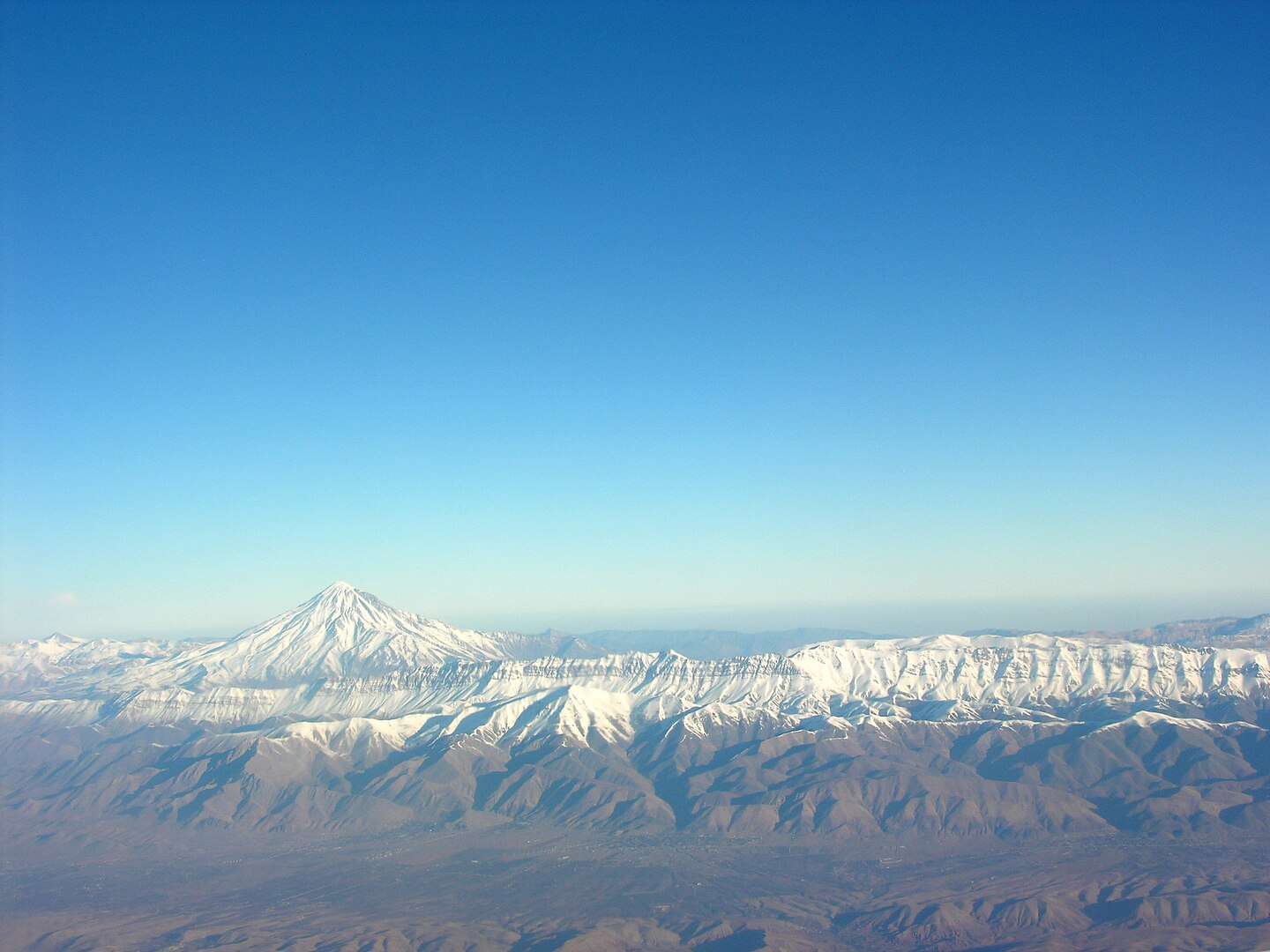
With over half its landmass dominated by mountainous zones, Iran’s defense plans heavily lean on its topography. The expansive Zagros and Elbourz mountain ranges are products of the collision between the Arabian and Eurasian tectonic plates, creating rugged elevations ideal for sheltering military and nuclear complexes. This geology offers a natural bulwark against detection and assault.
Combining these natural rock formations with extensive tunnel networks and cutting-edge security measures, Iran has successfully engineered underground bases that are almost invisible without sophisticated reconnaissance tools.

Inside Fordow: A Nuclear Vault in the Elbourz Range
Situated approximately 30 kilometers from Qom in the southern Elbourz mountains, the Fordow nuclear site exemplifies Iran’s integration of landscape and defense. Encased beneath nearly 100 meters of solid rock, this installation boasts an exceptional shield against even the most precise bombing efforts.
The choice of positioning the facility within limestone and metamorphic rock layers enhances its resistance to attack, given their notable durability. This geological robustness has enabled the development of complex subterranean infrastructure that is difficult for adversaries to penetrate or locate.
Fordow’s strategic location fortifies its defense, leveraging natural rock formations to thwart aerial targeting, thereby amplifying Iran's protective capabilities.
Natanz’s Evolution: Moving Nuclear Assets Underground
Natanz, another pivotal nuclear complex, has shifted from an exposed surface facility to a subterranean stronghold nestled within the Karkas Mountains, bordering the harsh Dasht-e Kavir desert. The mountains’ geological stability and composition of tough granite magmatic rock provide an ideal environment for tunneling.
These geological conditions support deep underground vaults, reportedly extending over 100 meters below ground level, effectively preventing detection and destruction by conventional surveillance technologies.
Zagros Mountains: Concealing Iran’s Military Installations
Outside nuclear sites, Iran exploits the Zagros Mountains to hide critical military facilities, including underground missile silos and command centers. This mountain range’s makeup of sedimentary rocks such as limestone, sandstone, and dolomite crafts natural cavities and folds suitable for covert tunnel construction.
Satellite imagery has hinted at the existence of numerous concealed facilities sprawling deep within these mountains, cleverly camouflaged by the rugged terrain. Despite the region’s active seismic faults posing construction challenges, the protective advantages remain significant, justifying the inherent risks.
The Covert Strength of Iran’s Subterranean Defense Network
For Iran, subterranean concealment within its mountains is more than just a tactical maneuver—it is a strategic bulwark. By embedding sensitive nuclear and military assets beneath thick layers of rock, Iran drastically reduces the likelihood these sites can be precisely targeted or destroyed.
This synergy of natural geological defenses with modern engineering yields a resilient deterrent. Facilities like Fordow, Natanz, and various missile bases hidden in the Zagros range underscore a defense framework that deters aggression through invisibility and durability, enhancing Iran’s security posture.
In choosing to position critical installations underground, Iran redefines modern military defense, transforming its mountains from mere landscapes into impenetrable guardians of national security.
- Categories:
- News





0 comments
Sign in to Comment