
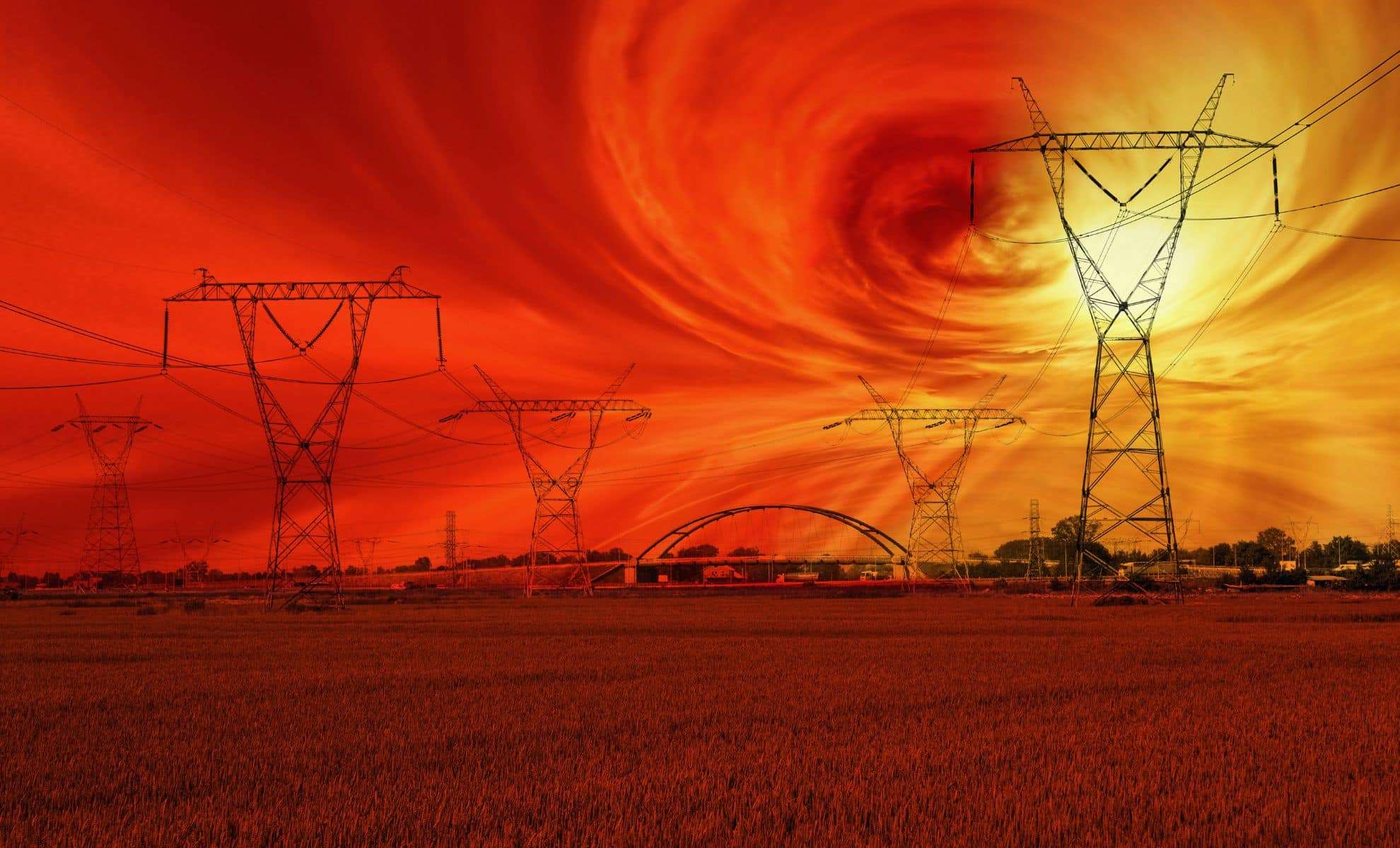
Increasing concentrations of carbon dioxide in Earth’s upper atmosphere are prompting scientists to rethink how geomagnetic storms will behave and affect our planet’s technology. Researchers at the U.S. National Science Foundation’s National Center for Atmospheric Research (NSF NCAR) have conducted a new investigation into these atmospheric changes and their implications, especially for satellites orbiting Earth. Given humanity's expanding dependence on satellite systems, understanding the evolving nature of geomagnetic storms in a changing atmosphere is vital for future preparedness. The findings, detailed in Geophysical Research Letters, reveal that a cooler and less dense upper atmosphere could produce more pronounced density spikes during geomagnetic storms. These spikes may increase drag on satellites, threatening critical functions like GPS, communications, and national defense.
Carbon Dioxide’s Influence on the Upper Atmosphere
The upper layers of Earth’s atmosphere play a crucial role in the global climate system, affecting signal transmission and space operations. While rising greenhouse gas levels cause warming in the lower atmosphere, CO₂ behaves differently at higher altitudes. Instead of trapping heat, in the sparse air of the upper atmosphere, CO₂ releases absorbed thermal energy back into space, leading to cooling. This cooling effect is set to become more intense as CO₂ levels continue climbing, significantly shifting atmospheric dynamics.
This downward temperature trend leads to a thinner upper atmosphere, a change already forecasted by previous studies. However, the new research extends this understanding by examining how a depleted atmosphere behaves during geomagnetic storms, which occur when solar activity hurls charged particles toward Earth. These storms temporarily increase atmospheric density. The team found that although the overall density is reduced due to cooling, the atmosphere can still exhibit sharp and potentially more dramatic density increases from this lower baseline during storms, posing new risks for satellite operations.

Increased Atmospheric Drag and Satellite Risks
An important implication of these findings is the impact on the drag force experienced by satellites orbiting Earth. Atmospheric drag slows satellites and gradually lowers their orbits, which affects their longevity. Satellite engineering currently factors in known atmospheric density patterns, but as the upper atmosphere becomes thinner yet reacts strongly to solar storms, satellites may encounter heightened drag during these events. The study suggests that future geomagnetic storms might increase atmospheric density to nearly three times its steady level, a far greater rise than observed today.
“The Sun’s influence on the atmosphere will evolve because the baseline density is changing, leading to a different kind of response,” explained Nicholas Pedatella, the study’s lead researcher from NSF NCAR. “This poses a key challenge for satellite design, which must account for future atmospheric conditions.” As a result, satellites could be subjected to more severe drag events, accelerating orbital decay, shortening mission durations, and raising operational costs for satellite upkeep and replacement.
- Categories:
- News






0 comments
Sign in to Comment