
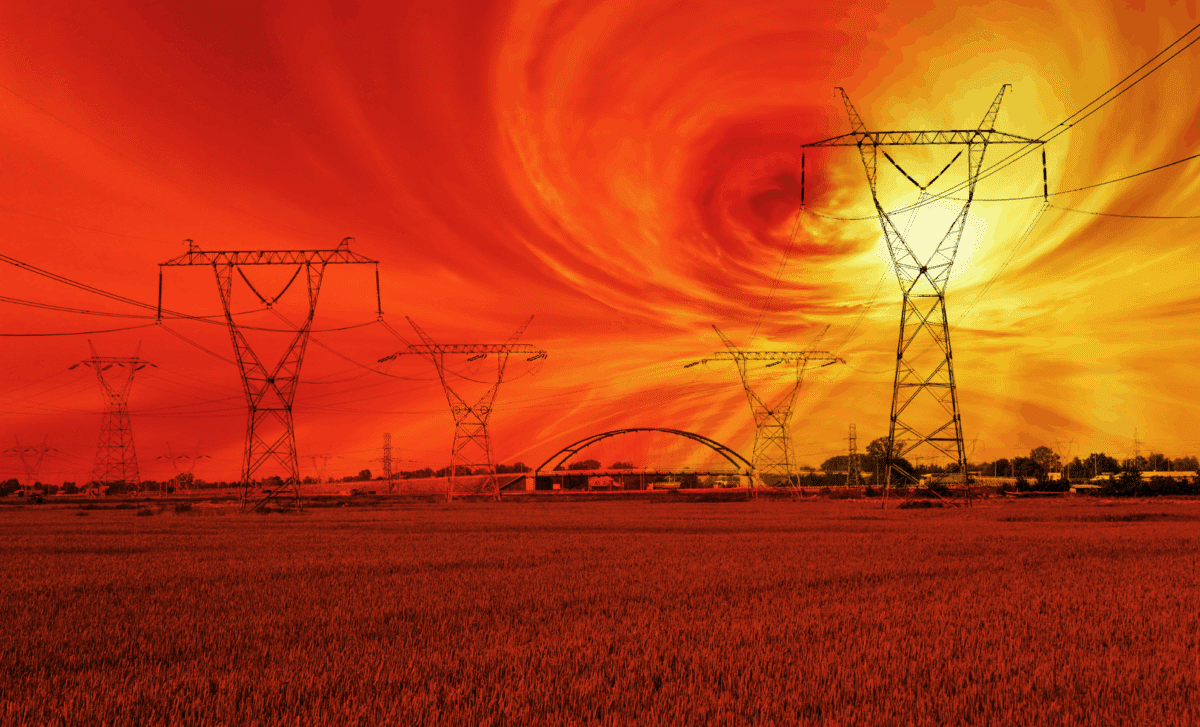
Superstorm Gannon, one of the most intense geomagnetic disturbances in recent history, dramatically compressed Earth’s plasmasphere, reducing it to a much smaller scale. This uncommon event gave researchers valuable data on how space weather can alter our planet’s natural defenses. Featured in Earth, Planets and Space, the investigation led by Dr. Shinbori employed the Arase satellite to monitor these significant fluctuations, shedding light on the ways such storms interfere with both technological infrastructure and the atmosphere.
Understanding the Plasmasphere Contraction During Superstorm Gannon
Geomagnetic superstorms are more than spectacular auroral displays; they are powerful phenomena that shake Earth’s protective space environment. The plasmasphere, a vital region of charged particles encircling the planet, plays a crucial role in shielding Earth from solar and cosmic radiation. During Superstorm Gannon, however, this protective layer was severely diminished.
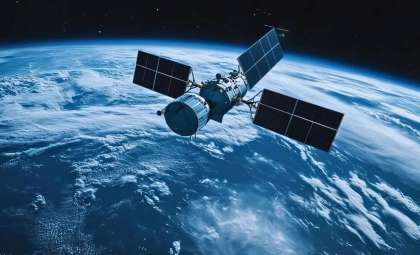
Dr. Shinbori’s team used data from the Arase satellite, optimally located to observe these rapid changes, to document the substantial contraction of the plasmasphere. This shrinkage revealed a troubling vulnerability, as the restoration process took multiple days. Dr. Shinbori explained,

“We tracked changes in the plasmasphere using the Arase satellite and used ground-based GPS receivers to monitor the ionosphere—the source of charged particles that refill the plasmasphere. Monitoring both layers showed us how dramatically the plasmasphere contracted and why recovery took so long.”
The extended recovery period challenges prior assumptions about Earth’s space weather resilience.
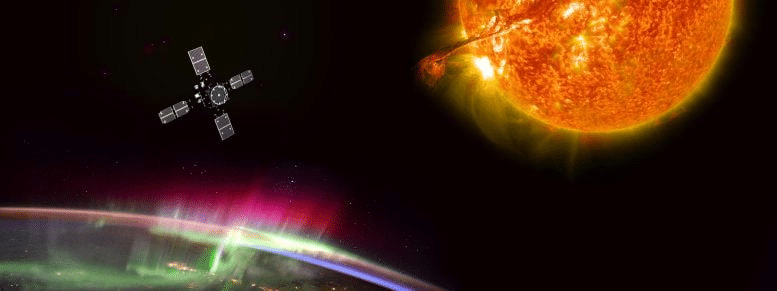
Ionosphere Disturbances and Effects on GPS Technology
The ionosphere, intimately connected to the plasmasphere, also suffered significant disruptions due to the storm. This high-altitude atmospheric layer is essential for radio transmissions and the accuracy of GPS signals. The charged particles that replenish the plasmasphere originate from the ionosphere, and with the plasmasphere’s contraction, the ionosphere’s regeneration capacity slowed down. Dr. Shinbori remarked,
“We found that the storm first caused intense heating near the poles, but later this led to a big drop in charged particles across the ionosphere, which slowed recovery. This prolonged disruption can affect GPS accuracy, interfere with satellite operations, and complicate space weather forecasting.”
This observation revealed that geomagnetic storms induce not only immediate disturbances but also lingering complications that last for days, influencing navigation systems and satellite functionality. The close relationship between the ionosphere’s condition and the plasmasphere’s stability highlights the need to monitor both atmospheric regions carefully.
The Broader Influence of Space Weather on Technology
Space weather is often underestimated but can have tangible effects on modern technology. The disruptions caused by Superstorm Gannon went well beyond striking auroral visuals or transient GPS interruptions. The event revealed how long-lasting space weather disturbances can compromise satellites fundamental to communication, weather prediction, and positioning.
Dr. Shinbori emphasized a crucial insight from the research,
“The negative storm slowed recovery by altering atmospheric chemistry and cutting off the supply of particles to the plasmasphere. This link between negative storms and delayed recovery had never been clearly observed before.”
This breakthrough deepens our understanding of the sustained risks posed by such geomagnetic events. As global reliance on satellite systems intensifies, fully grasping their long-term impacts becomes vital to safeguarding these services.
Advancing Space Weather Prediction and Protection
The study’s conclusions highlight the imperative need for enhanced space weather monitoring and forecasting capabilities. With society’s growing dependency on satellite technology, being able to predict and lessen the effects of geomagnetic storms is increasingly important. Continuous real-time monitoring from satellites like Arase combined with ground-based data play a pivotal role in analyzing space weather patterns.
The lengthy aftermath of Superstorm Gannon’s impact on the plasmasphere indicates that current predictive frameworks might require improvements. By integrating satellite observations with more refined ionospheric models, scientists aim to foresee not only the onset of geomagnetic storms but also their extended consequences. As reported in Earth, Planets and Space, this research advocates for greater funding in space weather science and the enhancement of protective technologies against extraterrestrial threats.
- Categories:
- Science



0 comments
Sign in to Comment