
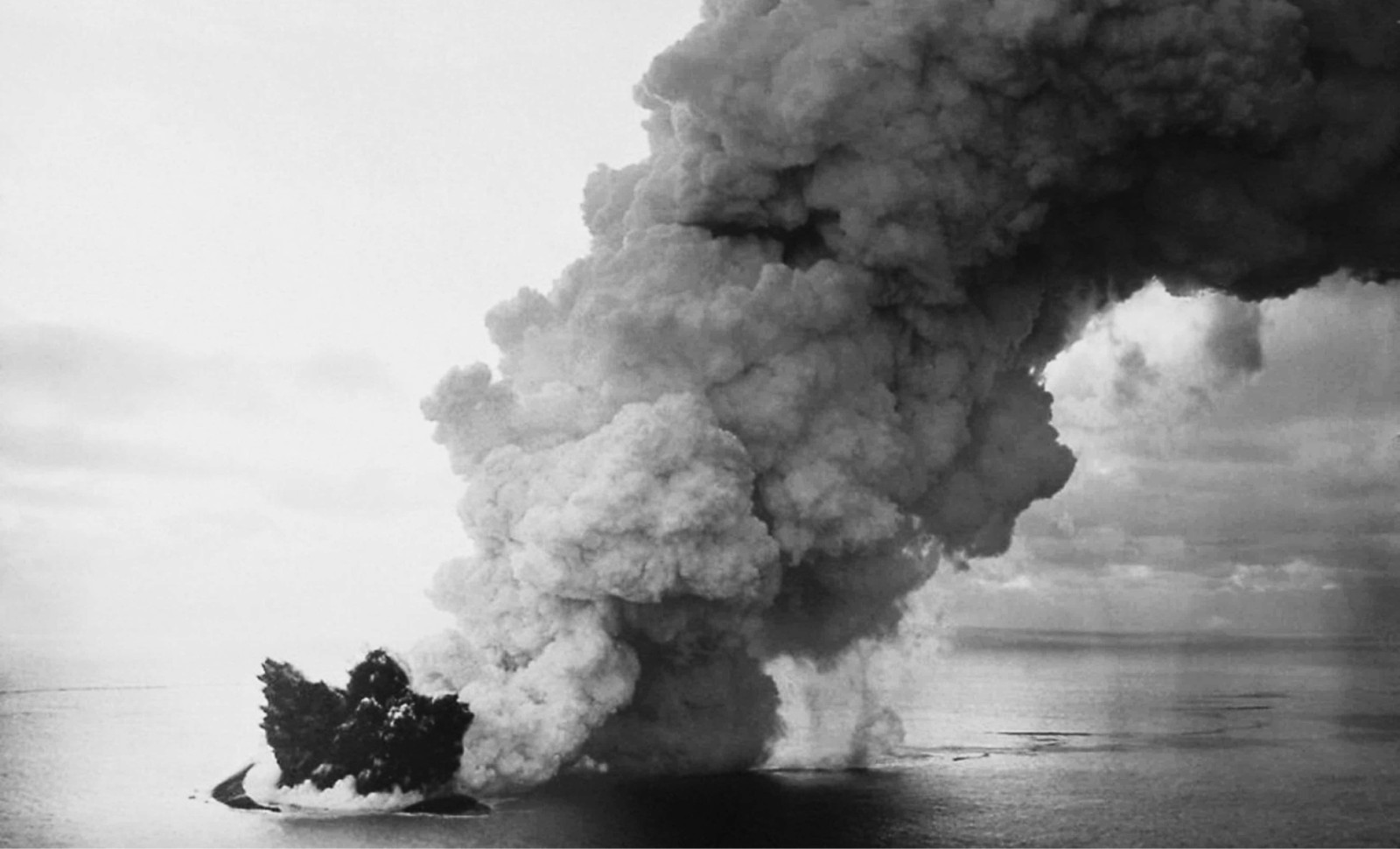
In the early hours of November 14, 1963, plumes of ash and steam emerged from the North Atlantic Ocean approximately 18 kilometers southwest of Heimaey, part of Iceland’s Westman Islands. The volcanic eruption likely began several days earlier beneath the sea, roughly 130 meters underwater, before the interaction of hot magma with cold seawater formed a visible landmass above the waves.
Within 24 hours, this process gave rise to a brand-new island. Named Surtsey Island by Icelandic authorities, it immediately became a significant site for researchers eager to observe how ecosystems develop on previously uninhabited land.
More than sixty years on, Surtsey continues to serve as a rare field study for the colonization of life, aided by stringent limits on human interference that preserve its status as a pristine natural laboratory.

Research published in Ecology Letters analyzed the arrival and establishment of vascular plants on the island. The investigation found that contrary to common assumptions, most plants didn't possess the typical traits associated with extensive seed dispersal. Instead, birds played a crucial role in transporting many species to the island.
Formation of a Volcanic Landmass in 1963
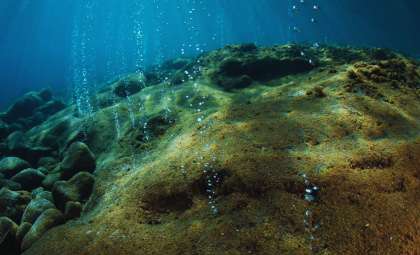
According to the Surtsey Research Society, the eruption initiated with violent bursts as seawater rapidly cooled magma, producing tephra—volcanic ash and debris. By January 1964, this accumulation had raised the island’s elevation to 174 meters, standing more than 300 meters above the original seafloor vent.
The eruption’s course was complex, with activity moving among vents and underwater eruptions creating ephemeral islands like Syrtlingur and Jólnir, both eventually submerged. Surtsey endured because successive lava flows fortified parts of the island’s structure.
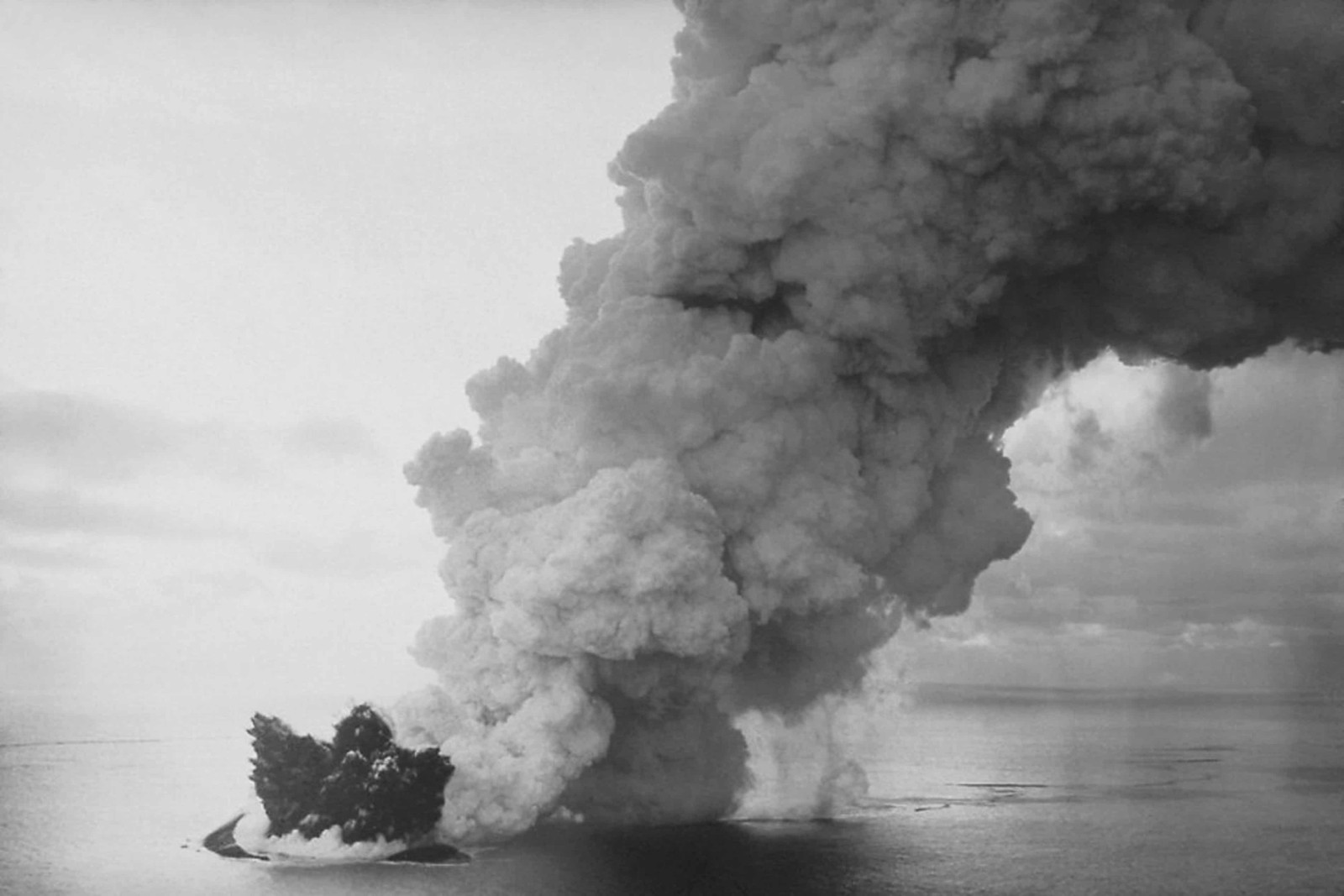
On April 4, 1964, lava began erupting from the island’s western crater, and by May 17, the landmass expanded to 2.4 square kilometers. A subsequent lava eruption started on August 19, 1966, continuing until early June 1967, marking the end of volcanic activity.
Altogether, the eruption lasted over three and a half years. The Surtsey Research Society indicates the island covered 2.7 square kilometers at its largest, with 1.1 cubic kilometers of volcanic material produced—roughly 60-70% tephra and 30-40% lava.
Preserving an Untouched Natural Environment
The island’s scientific importance is rooted in avoiding human impact. In 1965, Iceland designated Surtsey a nature reserve, a status reaffirmed in subsequent decades.
Per the Surtsey Research Society’s protection guidelines, the intention is to allow natural processes of colonization, ecological succession, and geological development to unfold without human disruption. Access is tightly controlled, requiring special permissions.
Visitors need approval from the research authority and must adhere to strict rules against disturbing habitats, introducing any living organisms, or leaving litter on or near the island.
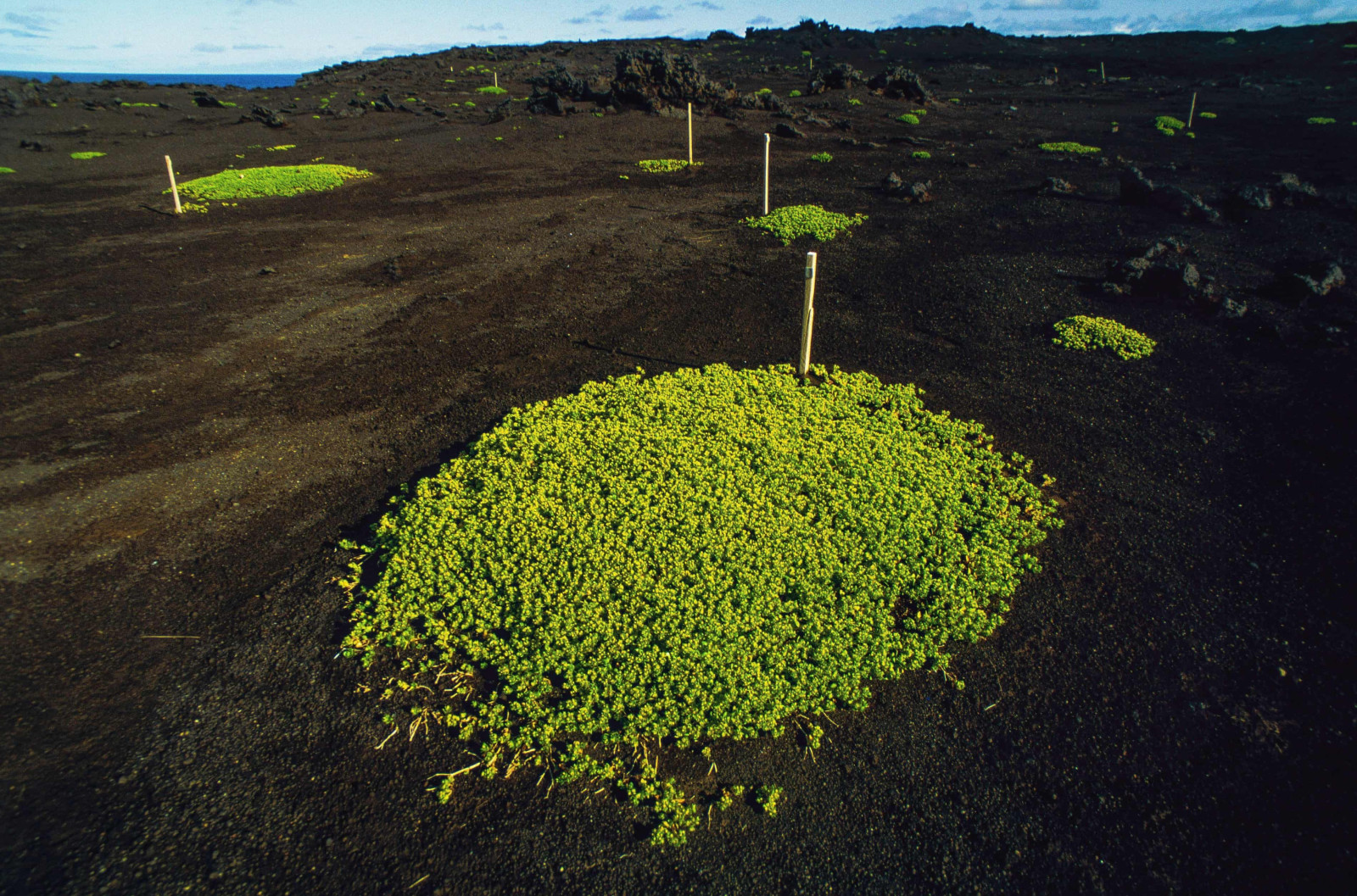
These precautions are vital since even a single human-transported seed could alter ongoing ecological observations. By minimizing direct human influence, Surtsey remains one of the rare areas where primary succession—the establishment of life on land devoid of prior soil—can be examined in real time.
This process involves the gradual appearance of organisms on bare volcanic surfaces exposed to sea spray, wind, waves, birds, and time.
Birds as Key Distributors of Plant Life
The study highlighted by the Estación Biológica de Doñana covered 78 vascular plant species documented on Surtsey since 1965.
Traditionally, ecologists believed that remote islands were chiefly colonized by species with certain dispersal traits, such as fleshy fruits, facilitating seed transport by birds. Other seed and fruit types were also thought to indicate potential for long-range dispersion.
The researchers, however, discovered that most plants on Surtsey lacked these classical dispersal features. As reported by CSIC, it is more likely that gulls, geese, and shorebirds introduced seeds via their digestive systems or droppings.
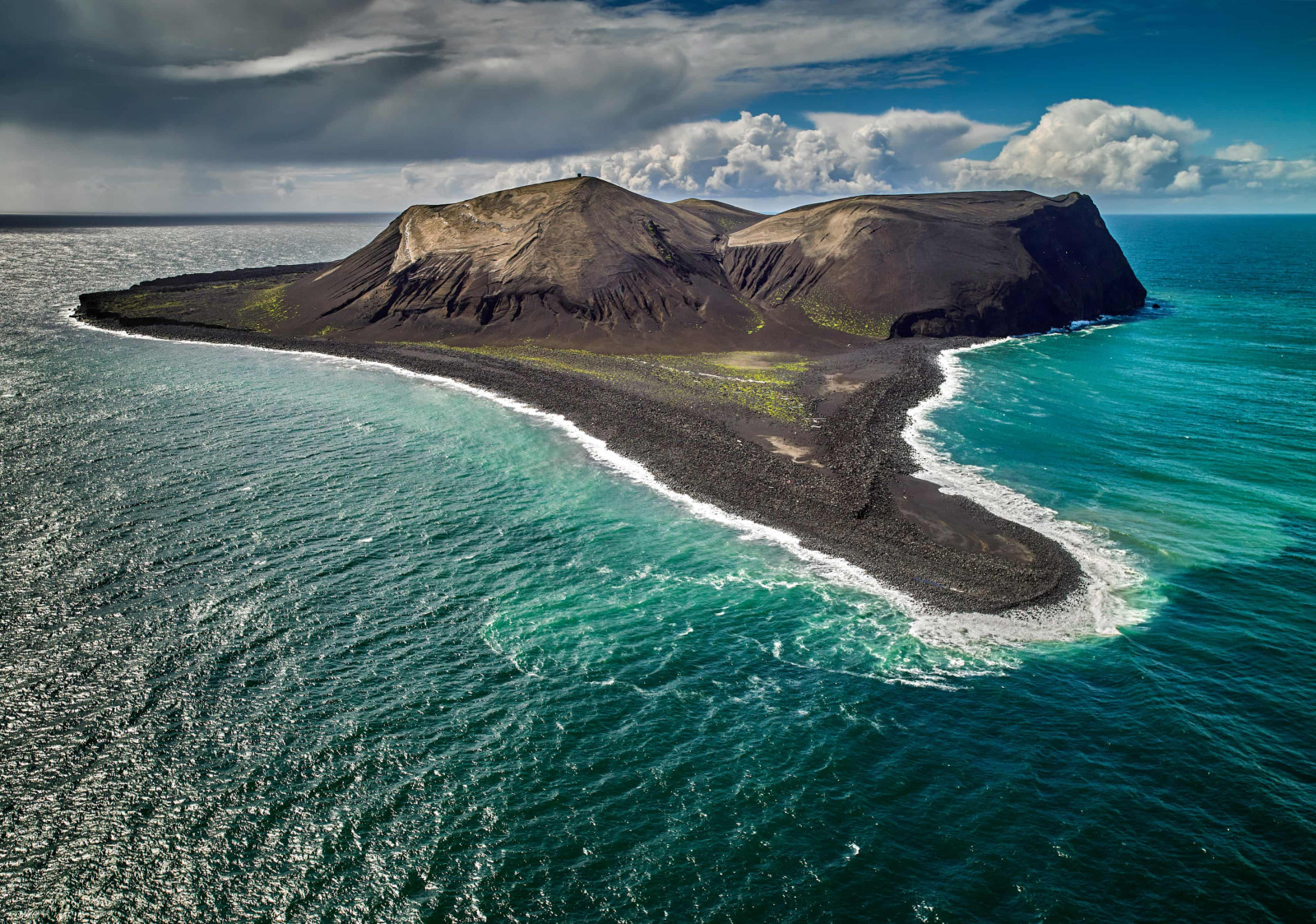
This insight shifts focus from seed morphology alone towards the actual movement patterns of animals, revealing birds as essential agents not just in visiting but actively transporting plant life to the island.
Dr. Pawel Wasowicz of Iceland’s Natural Science Institute, a co-author of the study, described birds as “the true pioneers of Surtsey,” carrying seeds of plant species that traditional theories did not anticipate reaching the island.
Dr. Andy Green from the Estación Biológica de Doñana, who co-led the work, emphasized the role of animals, particularly birds, as principal drivers of plant dispersal and establishment.
The research also advocates for ecological models that incorporate genuine biological interactions rather than depending solely on seed traits or plant classification.
Continuous Island Changes Due to Ocean Erosion
Surtsey’s landscape is not static; the island has been gradually eroding since the volcanic activity ceased.
The Surtsey Research Society notes that the region experiences frequent strong winds, and the surrounding waves cause ongoing coastal erosion. Notably, during a severe storm in January 1990, wave heights reached an average of 14 meters with peaks estimated near 20 meters southeast of the island.
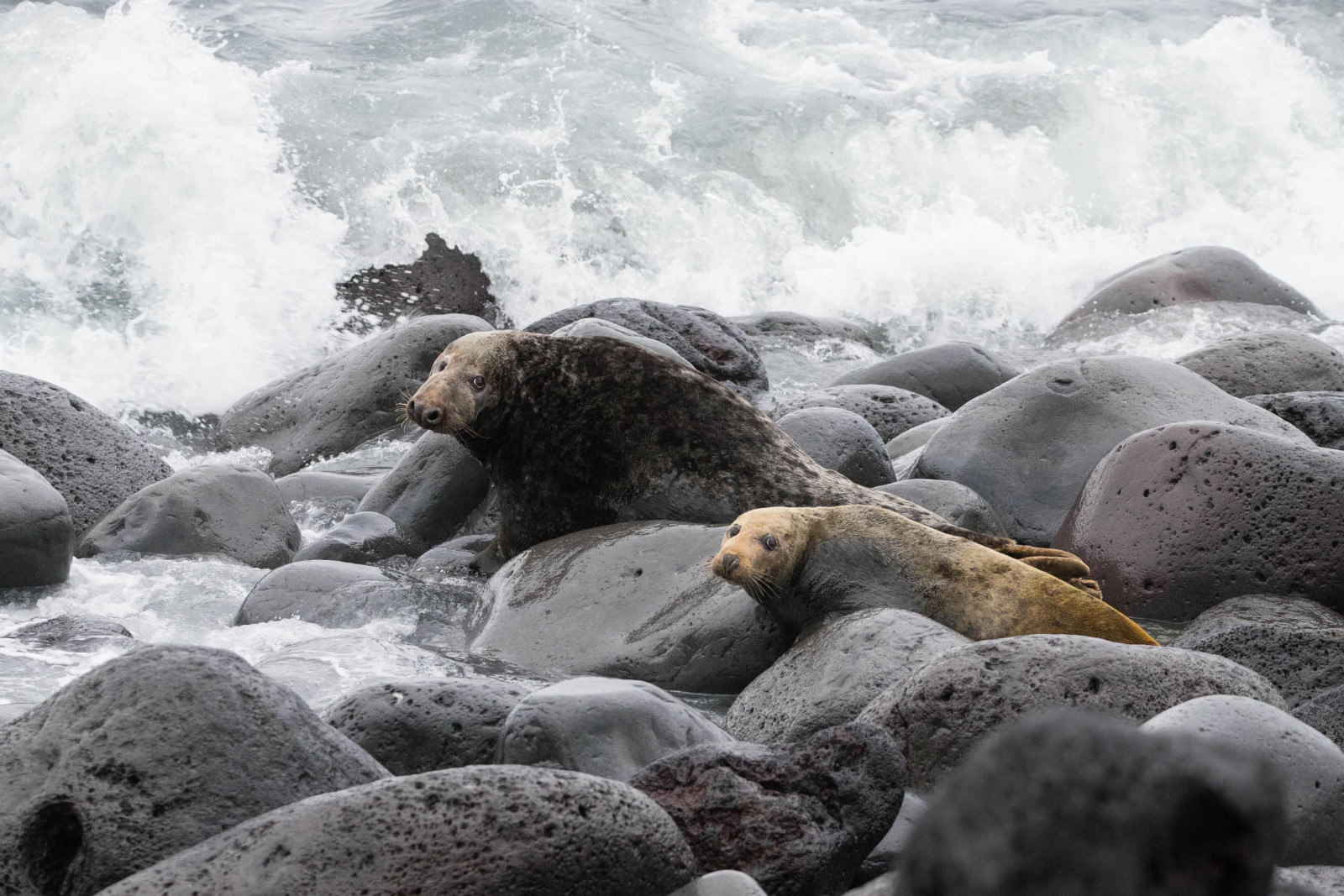
In the years following the eruption, annual land loss ranged between 3 and 20 hectares, though in recent times, the average reduction has slowed to about 1 hectare per year.
Surtsey’s survival owes much to two factors: lava flows from the 1964–65 and 1966–67 eruptions helped fortify parts of the island, and some areas of tephra solidified into durable palagonite tuff, forming a resilient core.
Despite these protections, the island is now significantly smaller than at its largest extent. By 1975, Surtsey was down to 2.0 square kilometers, and by 2002, it diminished further to 1.4 square kilometers—just over half of its 1967 peak size.
- Categories:
- Science



0 comments
Sign in to Comment