
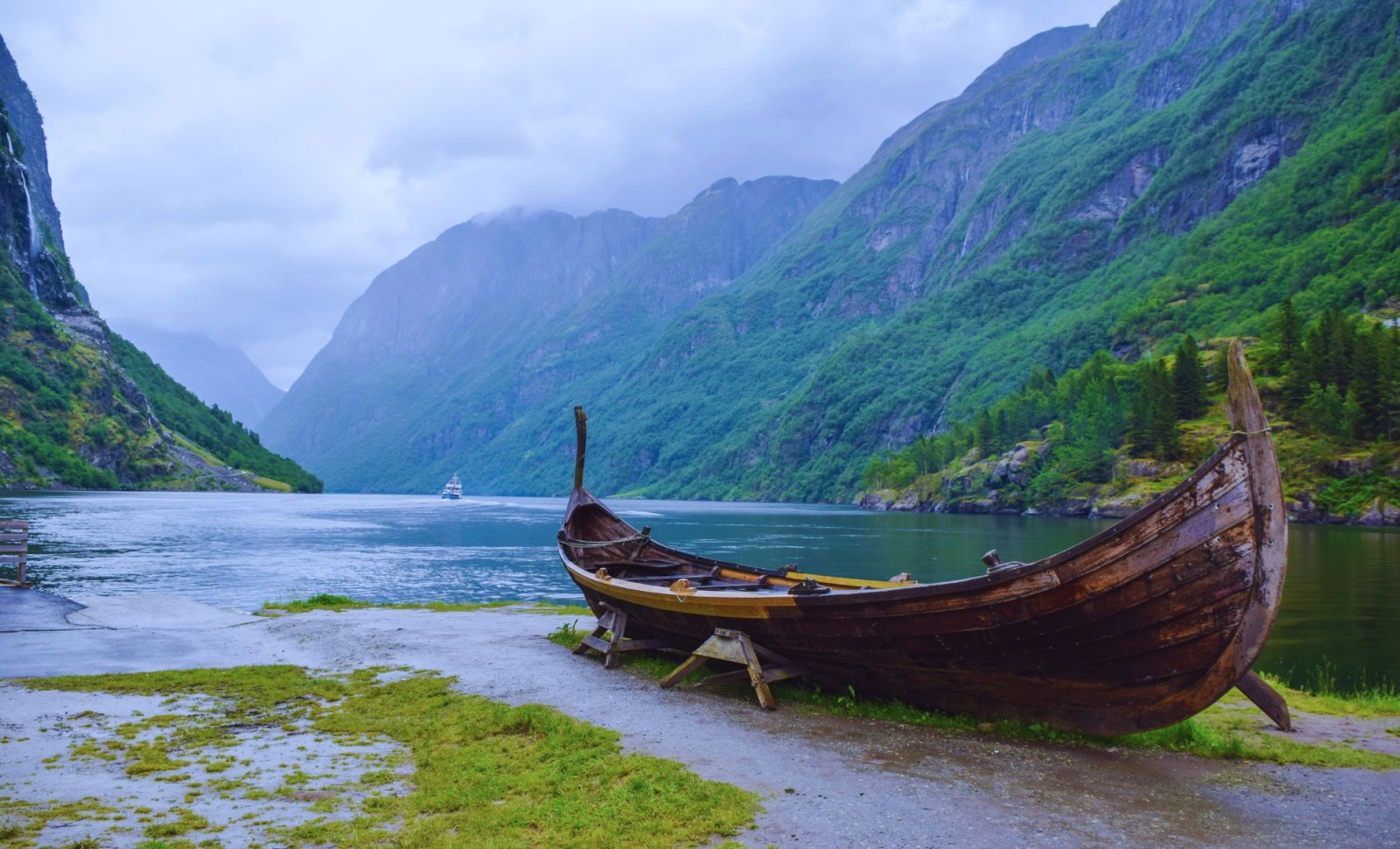
A groundbreaking study has revealed DNA evidence indicating that Viking settlers may have reached Iceland around 810 AD, nearly 70 years earlier than the traditional date of 874 AD. Led by Eske Willerslev at the University of Copenhagen, scientists analyzed environmental DNA (eDNA) from sediment samples collected at Lake Tjörnin in Reykjavík. Their research proposes that human presence and activity in Iceland began well before the previously accepted timeline, prompting a reassessment of Viking colonization and their early environmental influence.
Rethinking the Arrival of Iceland’s First Vikings
Historically, scholars have marked the Norse colonization of Iceland at approximately 874 AD. However, this recent study, accessible on bioRxiv, presents compelling evidence from Lake Tjörnin’s sediment layers showing elevated levels of levoglucosan, a chemical byproduct associated with burning biomass, an activity uniquely linked to human presence.
Viking DNA Study Redefines Their Identity and Reach –
A groundbreaking study recently published in Nature has mapped the genetic legacy of Vikings, revealing a complex web of migrations, family ties, and cultural exchanges that stretched across Europe and beyond. The research… pic.twitter.com/cFv1rc0pqV— Dr. M.F. Khan (@Dr_TheHistories) January 3, 2025Add Cosmo Herald as a Preferred Source

This rise in levoglucosan implies that the island’s earliest inhabitants might have settled nearly seven decades ahead of what historians have traditionally proposed.
“If it had been 850, I wouldn’t have been so surprised, but 810 is early for Viking expansion in the North Atlantic,” explained Chris Callow from the University of Birmingham in the UK, who was not involved in the study. “Overall, this is a nice confirmation of what we might have suspected, but it’s still quite controversial to have a date as early as 810.”
One key question remains: what motivated the Norse to settle Iceland? Were they simply explorers caught by chance or were they previously acquainted with the island? This newly uncovered evidence hints that they may have been exploring or intermittently visiting Iceland long before permanently establishing themselves there.
Reassessing Viking Impact on Iceland’s Ecosystems
Another long-standing belief challenged by this research is the popular notion that Viking settlers were chiefly responsible for widespread deforestation in Iceland. Prevailing views suggested that the Norse cleared woods extensively for agriculture, leaving lasting ecological scars.
However, Willerslev’s team’s eDNA findings are raising fresh doubts about this narrative.
“This is the nail in the coffin for that old just-so story of the Vikings getting to Iceland and then, suddenly, ‘oh no, the environment is destroyed’,” said Kathryn Catlin at Jacksonville State University in Alabama.
The study detected a noticeable increase in birch and willow pollen between 900 and 1200 AD — roughly five times higher than past estimates. This suggest that early settlers may have actively managed their forests, protecting them from livestock grazing and allowing natural regeneration to proceed largely undisturbed.
- Categories:
- Science








0 comments
Sign in to Comment