
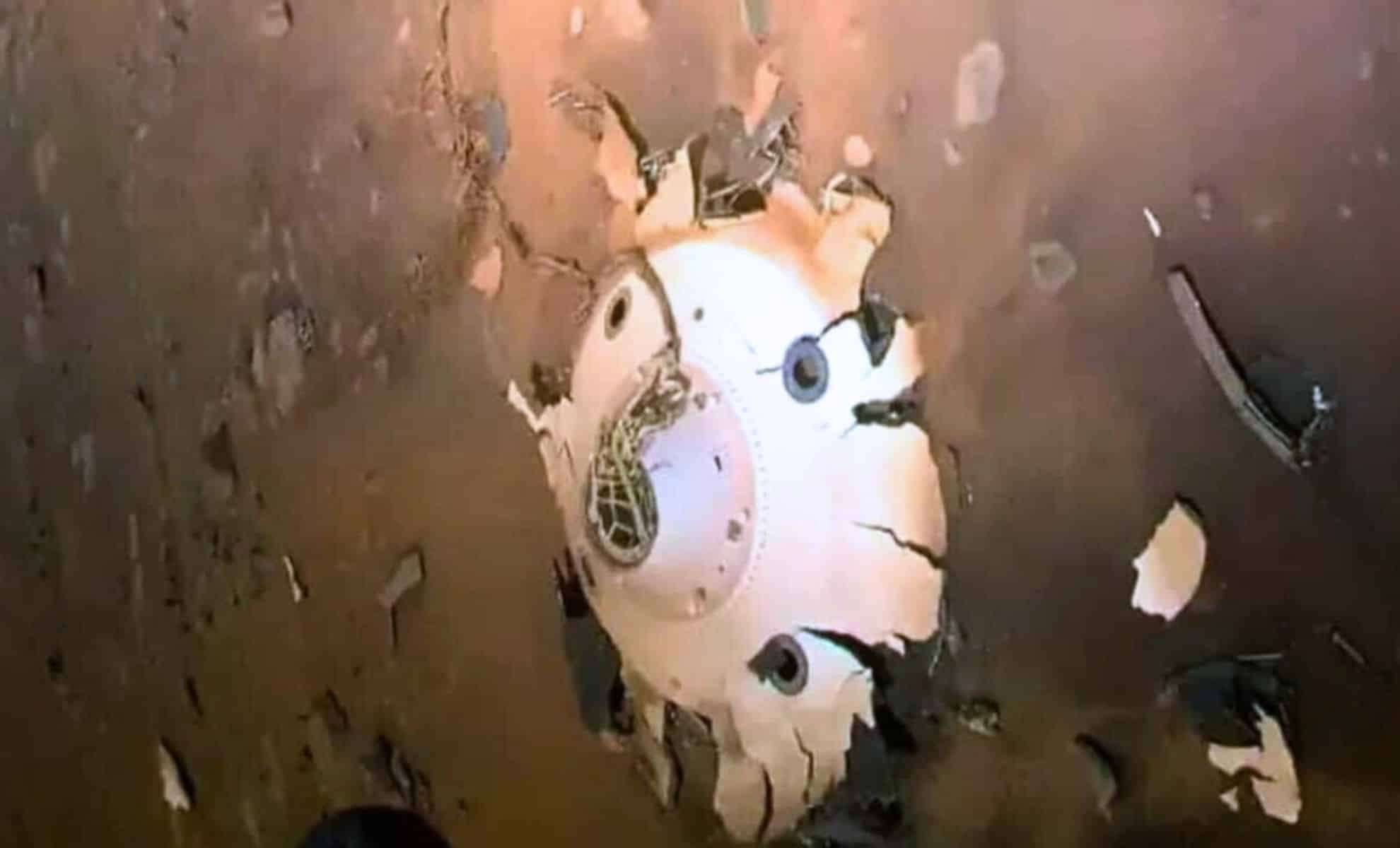
The Ingenuity helicopter from NASA, initially intended for just five experimental flights, has greatly surpassed expectations by completing 72 successful trips on Mars. Among its recent findings was an unforeseen sight—scattered remnants of its own landing gear strewn across the Martian terrain.
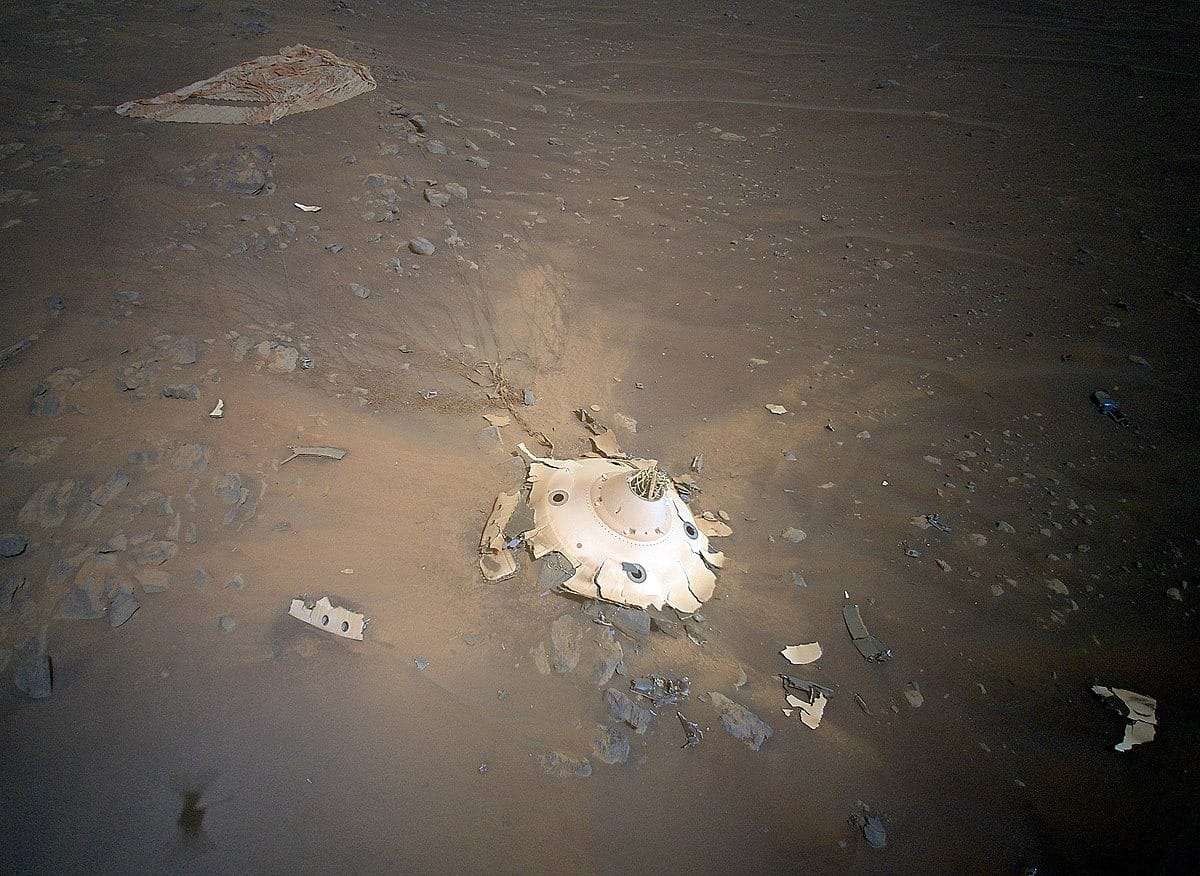
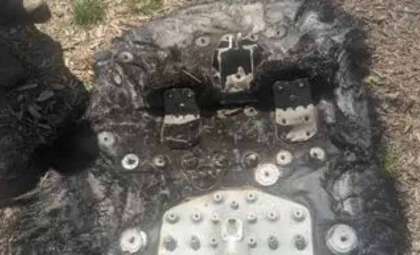
During a scouting flight over Jezero Crater, Ingenuity captured images displaying parts of the skycrane and parachute system that aided in the safe delivery of both Ingenuity and the Perseverance rover back in 2021.
A New Reality: Mars Bears Human Traces
The appearance of artificial debris on Mars prompts a sobering thought—how soon will other celestial bodies become cluttered with human leftovers, mirroring Earth's own environmental issues?

On Earth, orbital debris poses a well-known hazard, with countless inactive satellites and fragments encircling low Earth orbit. Mars was anticipated to remain untouched—a symbol of human ambition and exploration. Yet, as we continue to explore, the likelihood increases that each mission leaves behind technological footprints.
Ian Clark, the parachute technician on the Perseverance project, described the discovery as having a "science-fiction vibe", while also pointing out its value for engineering studies. Analyzing the debris offers important data on how landing systems behave in Mars’ unique environment, which could enhance the design of future missions. Still, the environmental impact cannot be overlooked.
Will Mars Become a Dumping Ground for Space Debris?
As exploration of Mars accelerates, including plans for crewed missions, what will become of discarded hardware left behind? Unlike on Earth, the materials used do not break down naturally over time.
Without careful measures, Mars risks becoming a repository of obsolete technology, littered with spent landers, failed equipment, and traces from prior explorations.
This issue is not purely speculative; the Moon already features numerous abandoned rovers, crashed spacecraft, and leftover resources from decades of missions. Mars could face the same fate unless space agencies and commercial ventures adopt sustainable policies.
Ethics in Planetary Exploration
Ingenuity’s find goes beyond just scattered fragments—it touches on the larger question of how space exploration should proceed responsibly. Scientific advancement is critical, but should it come at the expense of creating permanent environmental damage on other worlds?
One potential path forward involves developing cleanup methods and recycling systems to reduce long-term contamination. Engineers and mission designers must consider how to retrieve or repurpose materials to maintain planetary integrity.
Future explorers, including prospective Martian settlers, will inherit the legacy we build today. An accumulation of debris could complicate scientific studies, hinder exploration efforts, and challenge colonization.
Shaping the Future of Space Exploration
The debris spotted by Ingenuity acts as both a historic footprint and a call to action. It marks human progress yet underscores the urgent need for considered planning.
As the pace of space missions quickens, sustainable strategies must accompany technological advances. New approaches might include manufacturing reusable vehicle parts to limit waste, or deploying robotic cleanup crews to remove leftover debris.
International collaboration may also establish policies to preserve extraterrestrial environments and ensure future missions follow responsible exploration practices.
Reaching out into the cosmos is a monumental human achievement—but as we explore Mars and beyond, it's vital we leave behind not just footprints in dust, but a sustainable legacy for generations to come.
This article was originally published on December 11, 2024.
- Categories:
- Space








0 comments
Sign in to Comment