
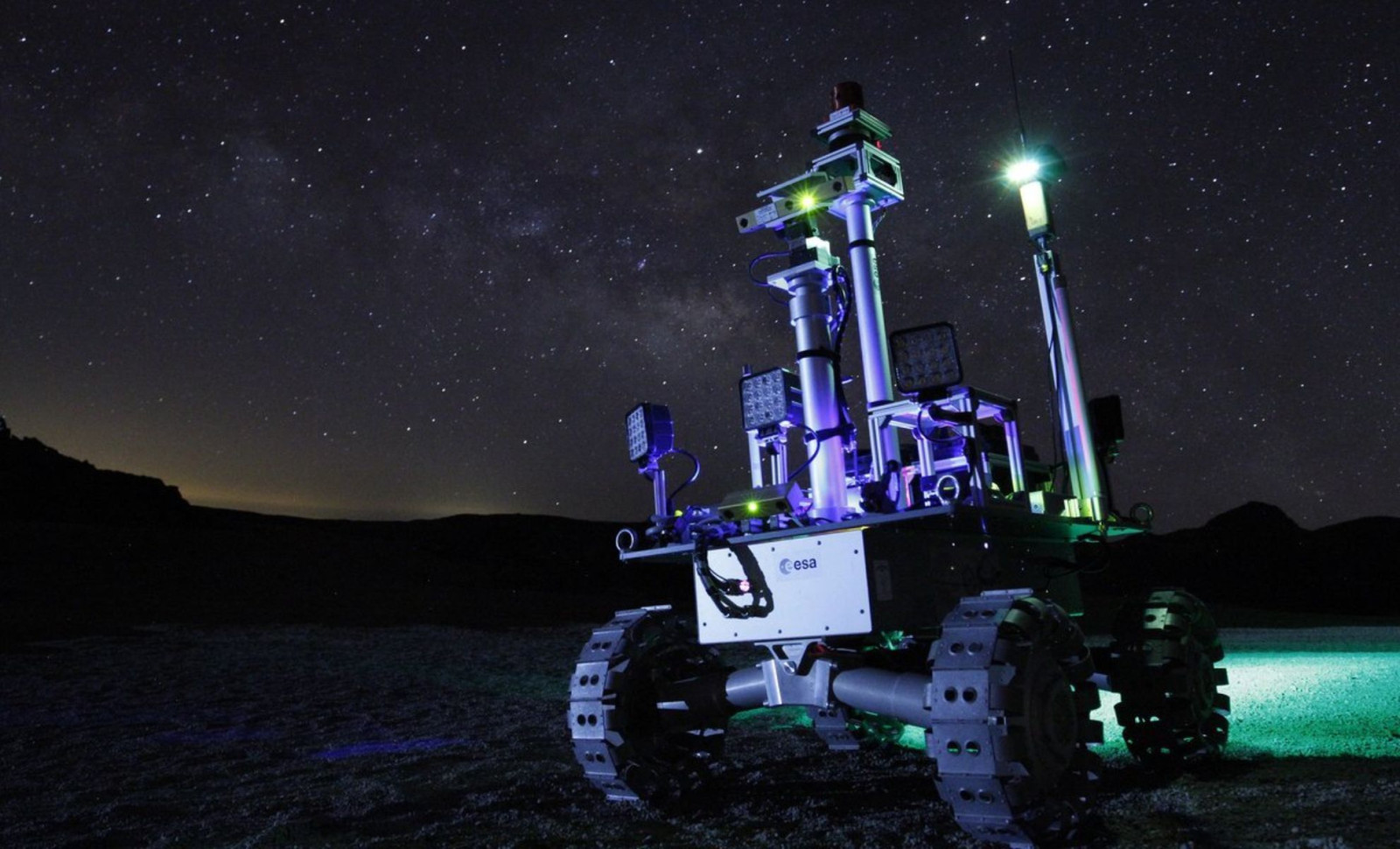
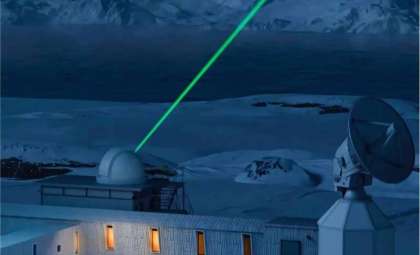
A novel European concept aims to utilize a laser beam as an energy source for a rover operating deep within the Moon’s permanently shaded craters. These areas are prime targets due to their potential deposits of water ice, a critical asset for future space missions.
Developed under the umbrella of ESA’s technology initiatives, this method enables a robotic vehicle to explore locations devoid of sunlight by transmitting power across distances of up to 15 km. This remote energy supply would keep the rover functional in pitch-black environments.
The interest in these permanently shadowed regions has surged, with multiple missions identifying signatures of hydrogen, which strongly suggests the presence of ice. Data drawn from NASA’s Lunar Reconnaissance Orbiter, supported by observations from Chandrayaan-1 and SMART-1, indicates that this ice may have persisted for billions of years.

This lunar ice can be utilized for drinking water, oxygen production, and even fabricated into rocket fuel. However, the extreme cold and complete darkness make traditional exploration highly challenging.
Replacing Nuclear Power With Laser Technology
Conventional approaches typically employ nuclear-powered systems like radioisotope generators, which deliver consistent energy but come with significant drawbacks. ESA robotics engineer Michel Van Winnendael explains:
“The standard suggestion for such a situation is to fit the rover with nuclear-based radioisotope thermoelectric generators.” Adding that such systems raise issues related to cost, engineering complexity, and heat management.
Heat generated by these systems poses a critical problem. As detailed in a ESA publication, maintaining the rover’s operational temperature risks altering the ice it is designed to investigate. Using a laser to deliver energy remotely minimizes this thermal interference.
This concept extends ground-based experiments where lasers sustained drone flight for extended periods. Scaling this for the Moon’s harsher and longer-range conditions requires considerable adaptation.
PHILIP: Powering Lunar Rovers With Laser Induction
The initiative, named PHILIP (powering rovers by high intensity laser induction on planets), is a collaboration between Leonardo and Romania’s National Institute for Research and Development for Optoelectronics, supported by ESA funding.
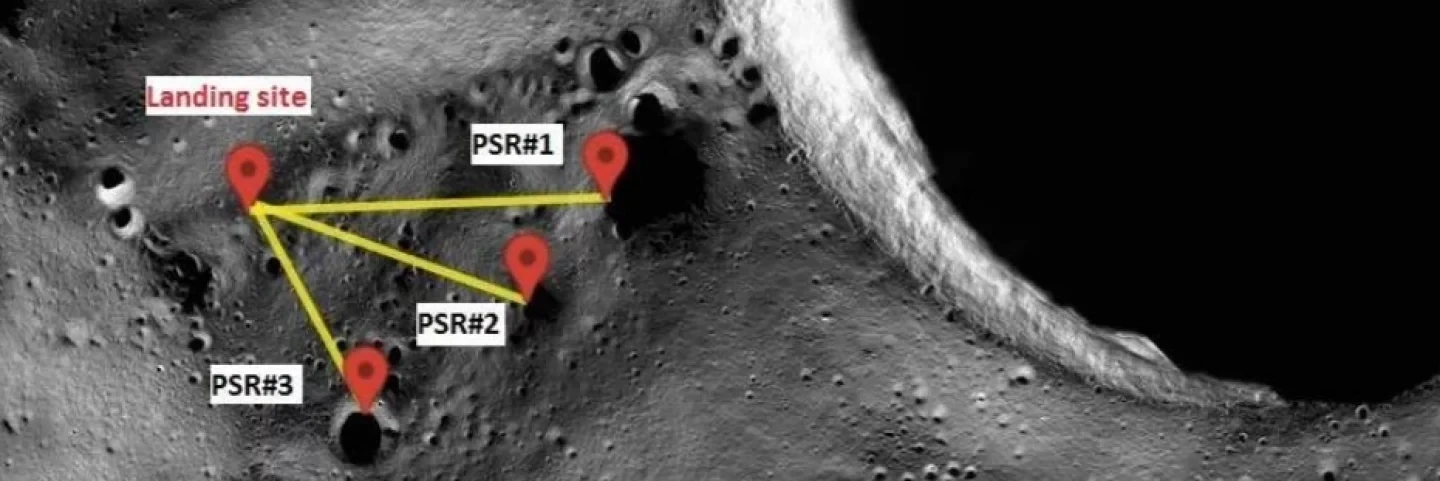
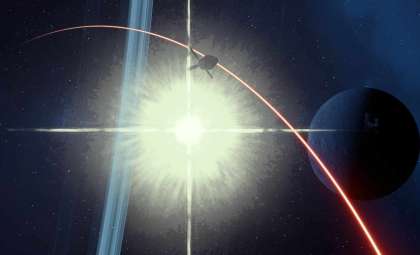
The concept involves placing a lander in an area with nearly continuous sunlight between de Gerlache and Shackleton craters. From there, a 500-watt infrared laser would continuously beam energy to a 250 kg rover venturing into the dark shadows.
The rover uses specially designed solar panels to convert the laser energy into electricity. Precise sensors maintain beam alignment within centimeters, and the rover’s path is meticulously planned to stay within a 10-degree slope and keep a direct line of sight to the lander.
Emulating Lunar Conditions to Validate Communication Systems
Besides supplying power, the laser beam would facilitate communication. A retro-reflector affixed to the rover reflects modulated light signals back to the lander enabling robust two-way data transmission.
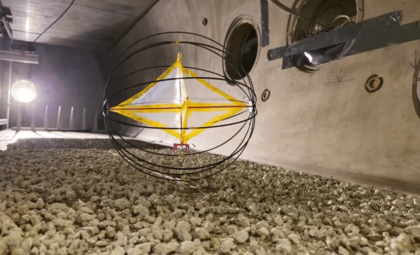
Field experiments, including trials on Tenerife under nighttime conditions replicating the Moon’s environment, have successfully demonstrated the rover’s capability to navigate and operate under low-light settings.
“With the PHILIP project completed, we are one step closer to powering rovers with lasers to explore the dark parts of the Moon. We’re at the stage where prototyping and testing could begin, undertaken by follow-up ESA technology programmes,” stated Van Winnendael.
Currently in the conceptual phase, the project envisions moving toward prototyping shortly. If realized, this technology may unlock access to previously unreachable regions on the lunar surface.
- Categories:
- News



0 comments
Sign in to Comment