

A distinct gray triangular shape has recently emerged in discussions surrounding China’s futuristic military aviation projects, resembling less of a conventional aircraft and more like a flying base. This concept, named Luanniao, is envisioned as a near-space aircraft carrier designed to maintain position high above weather disturbances, patrol areas, and beyond the reach of most current interceptors. The core idea is straightforward: operate a platform at extreme altitude and deploy combat drones from there.
Luanniao is part of the broader Nantianmen Project, which encompasses various advanced systems linked to the Aviation Industry Corporation of China (AVIC). Its primary defense strategy is altitude superiority, positing the vehicle as operating beyond the altitude limits of today’s surface-to-air missile systems. This approach transforms a strategic military concept into a tangible airborne platform.
What propelled this idea into wider attention was not a leaked prototype but rather the release of detailed specifications that resemble those found in naval shipbuilding more than traditional aircraft design. Examining these specs shifts the discussion from sleek design to fundamental challenges involving energy, thrust, and sustained operation in near-space conditions.

The Immense Scale Behind the ‘Flying Aircraft Carrier’ Label
The concept’s technical data is striking: measuring an impressive 242 meters in length and approximately 684 meters in width, with a potential maximum takeoff weight topping 120,000 tonnes. Such staggering dimensions have naturally earned it the nickname of a “flying aircraft carrier.” Rather than a frontline fighter, Luanniao is characterized as a strategic asset designed for sustained presence.
According to reporting by The Nation Thailand, this aircraft carrier concept is engineered to remain above current air defense ranges, effectively functioning as a mobile aerial fortress. The project is viewed as a long-term vision rather than an imminent aircraft program, emphasizing its role as both technological ambition and strategic signaling.
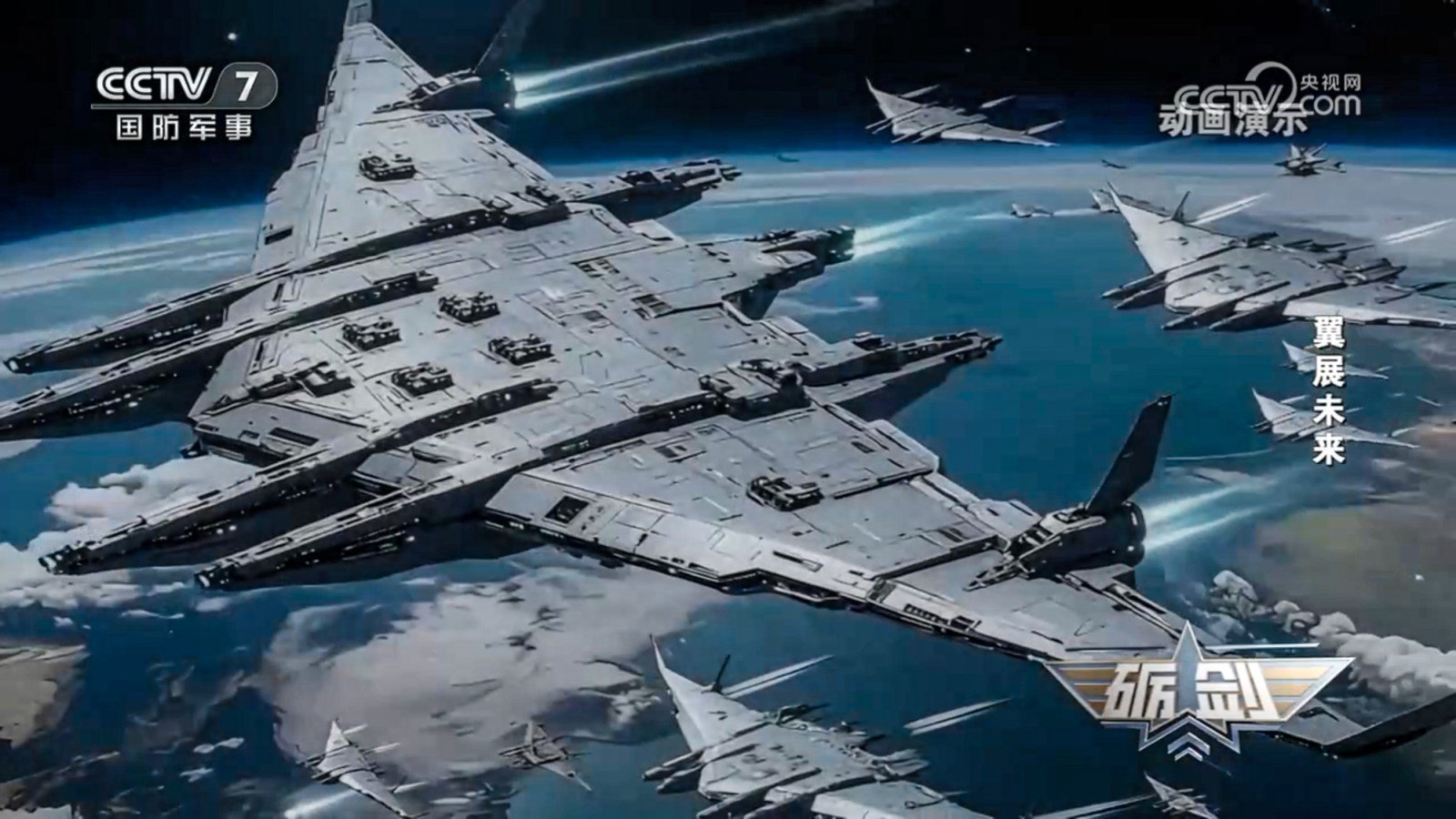
Geopolitically, Luanniao’s relevance is heightened by its association with contested regions like Taiwan and the South China Sea. Stationing such a platform over strategic hotspots offers a significant military and political advantage. This application grounds the futuristic concept in practical defense objectives, transforming it from an abstract idea into a form of elevated strategic leverage.
Luanniao’s Designated Arsenal: 88 Stealth Unmanned Fighters
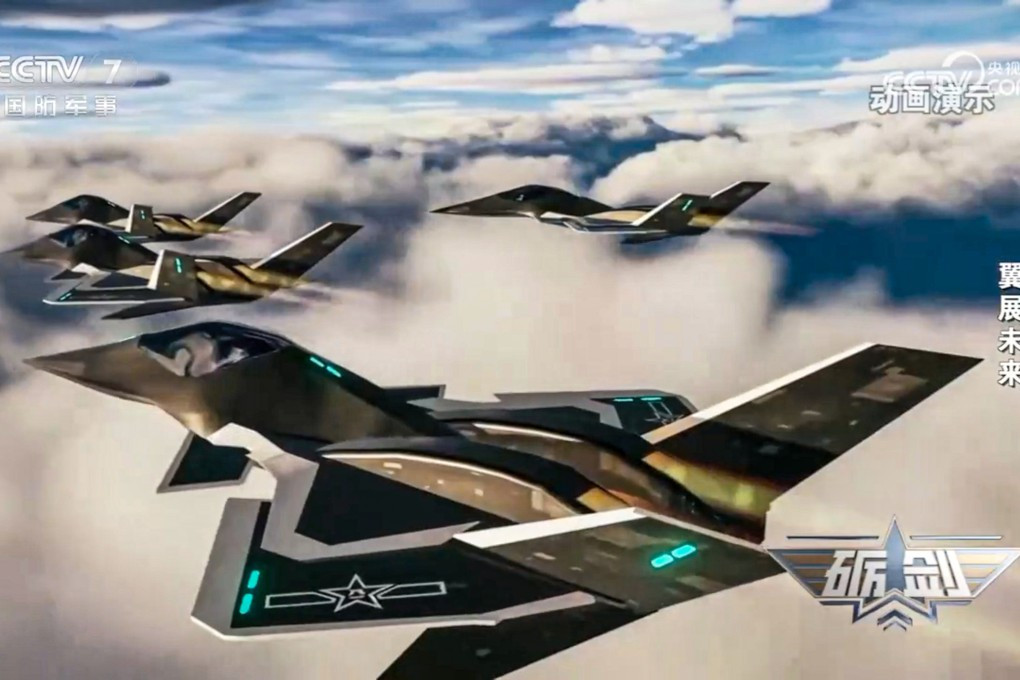
A standout operational attribute is Luanniao’s planned complement of unmanned aerial vehicles. It is purported to carry 88 stealth drones called Xuan Nu, each reportedly capable of delivering hypersonic missile strikes. This modernized armament centers on high volume, autonomy, and drastically reduced reaction times.
The concept intentionally divides roles: Luanniao serves as the immobile, high-altitude base, while its drones act as agile offensive units. This operational dynamic clarifies why the vehicle is conceived as a carrier platform rather than a traditional bomber—prioritizing sustained deployment of many unmanned aircraft from a secure, elevated vantage point.
According to The Nation Thailand, defense analyst Peter Layton commented on the possible breakthrough, stating: “if successfully built, the craft would sit beyond the reach of almost all surface-to-air missiles, because it would operate outside the limits of weather and most existing defence systems.” The expression “if successfully built” highlights the crucial technical challenge of sustaining this platform’s extreme altitude operations over extended periods.
Engineering Challenges: The Immense Power Requirements
Once the colossal mass of the platform is acknowledged, questions quickly turn to the enormous energy and propulsion demands. An analysis from Indian Defence Review estimates the necessary continuous thrust at roughly 340 meganewtons to keep Luanniao aloft—an unprecedented figure in aviation history.
To illustrate this magnitude, the report compares this requirement to the Pratt & Whitney F135 engine powering the F-35 fighter, which generates about 191 kilonewtons of thrust. Based on this, Luanniao would need the equivalent thrust output of over 1,700 F135 engines running simultaneously. This comparison underscores the tremendous propulsion gap such a concept poses.
To emphasize how far Luanniao exceeds traditional aviation limits, the analysis contrasts it with the world’s heaviest cargo aircraft, the Antonov An-225 Mriya, which weighs about 640 tons. The carrier concept’s mass is nearly 200 times larger. Rocket engine thrust is also referenced to contrast short impulse thrusts with the sustained power needed for continuous flight. While these comparisons don’t settle feasibility, they illustrate the formidable engineering hurdles involved.
The Public Face of Nantianmen: From Concept to Presentation
Although Luanniao remains largely a speculative image and specification project, the Nantianmen brand is moving into public awareness with concrete plans. A report from China Daily revealed a 40,000-square-meter Nantianmen-themed park under development in Shanghai’s Lin-gang Special Area. Launched as an intellectual property in 2017, this franchise has expanded into lore and futuristic weapons concepts, presenting Nantianmen as a multimedia narrative as much as a technical initiative.
The report includes schedule details and a direct statement from Zhou Yixiao, the project’s Shanghai base general manager: “Major construction will be finished by year-end, allowing for internal testing. The public opening is fixed for August 1, 2027.” This timeline introduces a public-facing milestone contrasting with the still distant aircraft ambitions.
The creation of a theme park reshapes public understanding of the project. Although it does not confirm the near-space carrier’s development, it reveals Nantianmen as a cultural and narrative venture, promoting futuristic military concepts alongside immersive entertainment experiences.
Analysis: U.S. Defense Experts See Propaganda More Than Production
A critical perspective from The National Interest cautions that while the Nantianmen Project is an ambitious effort, some social media supporters are overstating its practical capabilities. They classify it more as a broad propaganda initiative rather than a blueprint for an achievable flying aircraft carrier.
Across available reports, consistent elements remain: Luanniao is a proposed near-space carrier under the Nantianmen umbrella, described in detail regarding size, mass, drone complement, and a long-range timeline. Yet the next tangible project milestone is the Shanghai-themed park debut planned for 2027, not the launch of an airborne aircraft carrier.
- Categories:
- News










0 comments
Sign in to Comment