
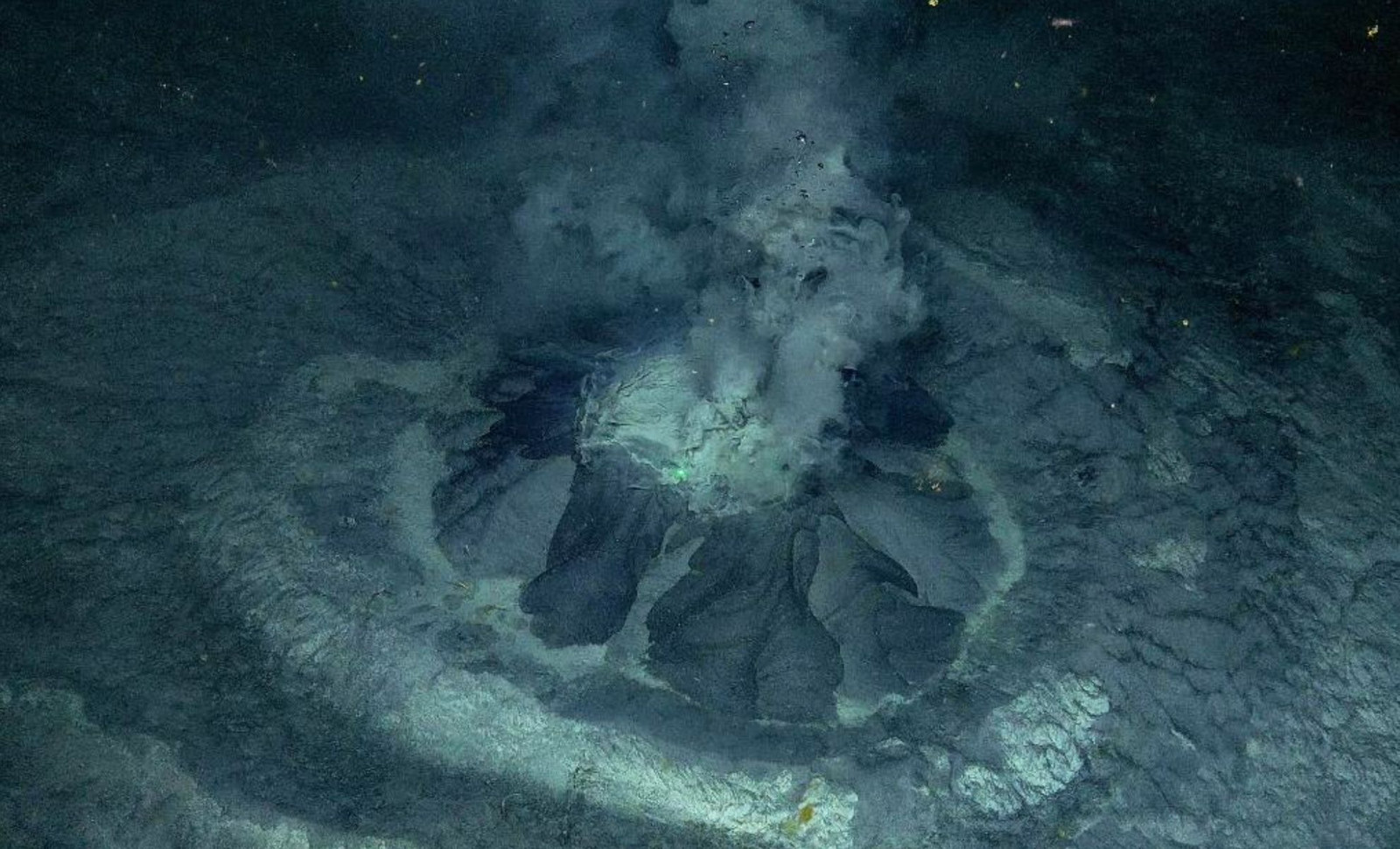
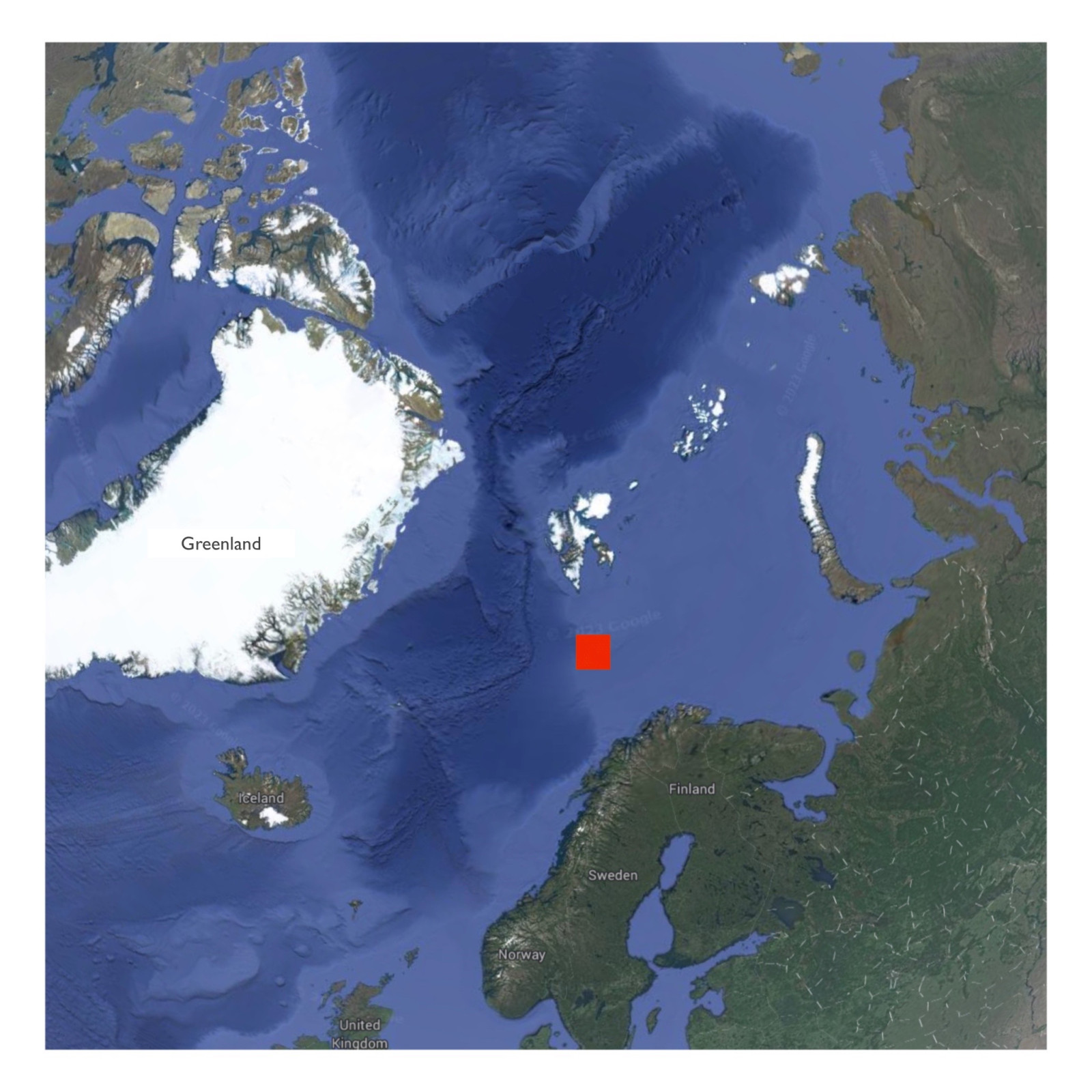
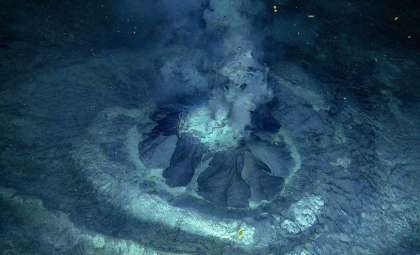
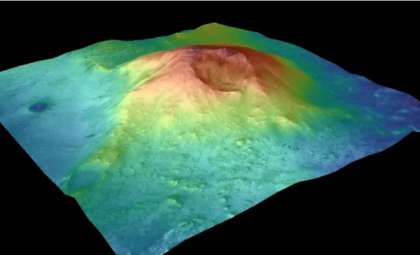
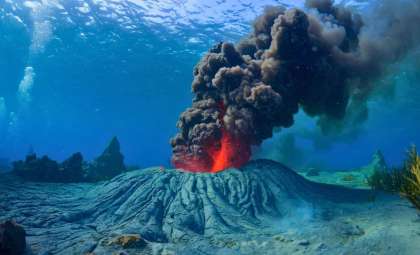
Researchers exploring the Barents Sea have uncovered an extraordinary geological feature beneath the Arctic Ocean: an active mud volcano created following the last Ice Age. Dubbed the Borealis Mud Volcano, this formation lies approximately 400 meters underwater and roughly 70 miles south of Bear Island, Norway. It continues to emit mud, fluids, and methane from deep subsea reservoirs.
The Formation of a Giant Methane Eruption Crater
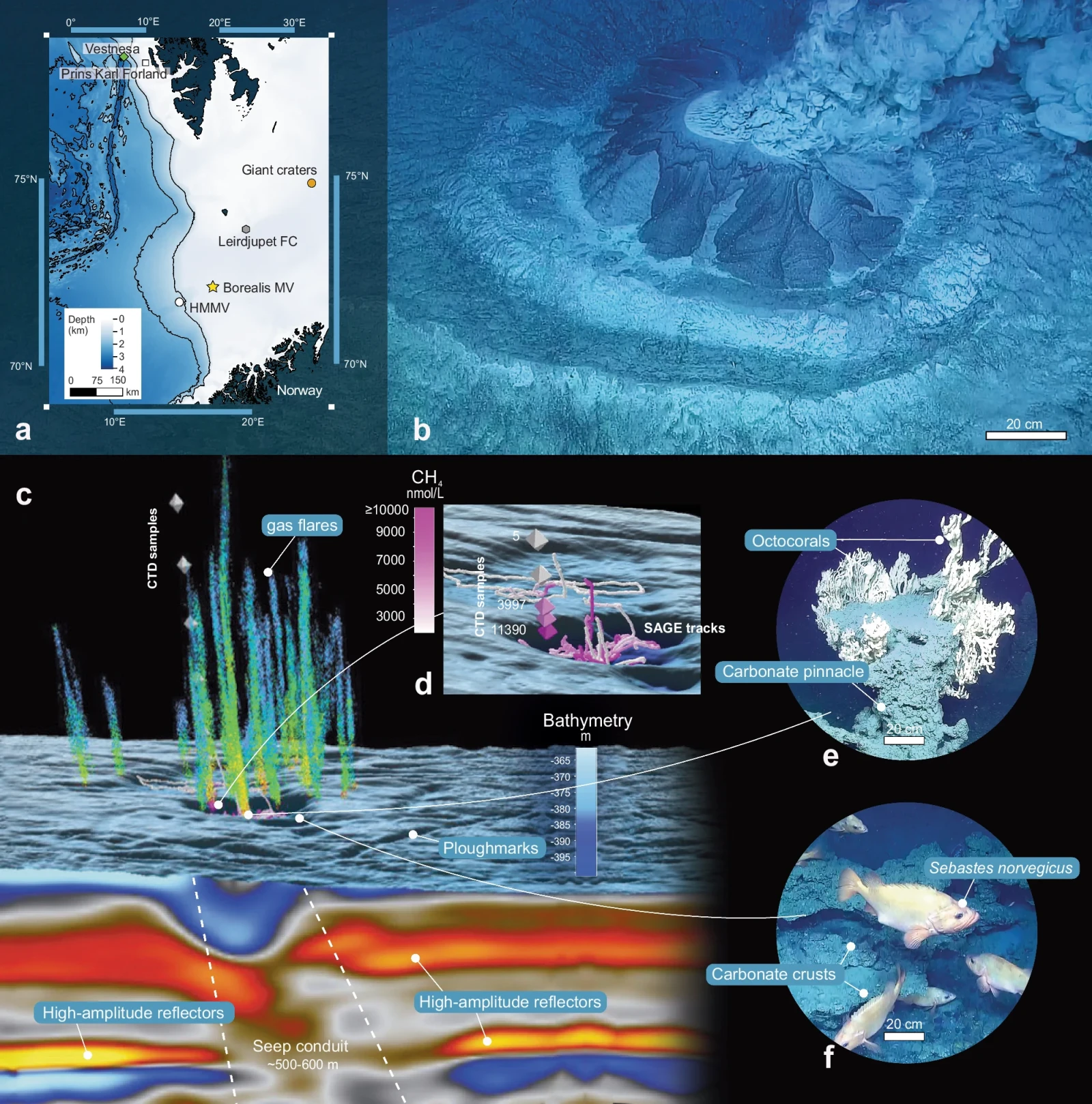
The finding resulted from a seabed mapping operation led by scientists at UiT The Arctic University of Norway. As detailed in a university update, the team identified a large circular depression measuring around 300 meters in diameter and 25 meters deep on the ocean floor.
Geological evidence suggests this crater formed due to intense environmental shifts at the close of the Ice Age, approximately 18,000 years ago. The retreat of massive glaciers reduced pressure on methane-laden sediments beneath the seabed, likely causing a sudden and powerful methane release that expelled sediments and carved the crater housing the active mud volcano.

The Borealis Mud Volcano remains active at its core, continuously discharging mud and methane from reservoirs located hundreds of meters to several kilometers beneath the seafloor.
What Makes Mud Volcanoes So Intriguing to Scientists?
Unlike traditional volcanic eruptions that expel molten lava, mud volcanoes emit a mixture of sediment, water, and gases from deep underground. These structures serve as pathways connecting the Earth's deep interior with the ocean floor.
Stefan Buenz from UiT explains that each newly discovered methane seep offers fresh insights into Earth’s concealed geological dynamics. Analyzing the chemical makeup of the emitted fluids and gases enables researchers to piece together past environmental conditions and geological activity.
“Every time we go down to the seabed, we get the feeling that we have just begun to understand the great and incredible diversity of such systems,” Buenz added.
Methane sources like this play a significant role in the global methane cycle. Studying their emissions helps scientists improve models predicting greenhouse gas behaviors and their effects on the climate.
A Unique Habitat for Deep-Sea Organisms
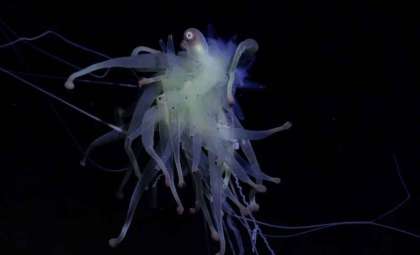
The crater surrounding the volcano supports a diverse ecosystem fueled by chemical energy rather than sunlight. Investigations have uncovered an array of marine life including corals, sea anemones, sponges, starfish, sea spiders, crustaceans, and thick bacterial mats thriving on the steep crater walls. These ecosystems depend on chemosynthetic bacteria that utilize methane and other chemical compounds emerging from the seabed.
Alex Rogers from REV Ocean suggests these mud volcanoes could act as natural refuges for vulnerable deep-sea species. Likewise, Professor Giuliana Panieri, who previously led research published in Nature Communications, emphasizes the need to safeguard this site.
“Borealis is an oasis where different species can thrive and flourish. Thus, preserving ecosystems such as the Borealis Mud Volcano is essential for maintaining biodiversity and understanding the interactions between geology, geochemistry and biology in marine environments.”
Mud volcanoes like this are extremely rare in the Arctic Ocean. Prior to this finding, only the Håkon Mosby Mud Volcano—discovered in 1995 near Svalbard at about 1,250 meters depth—was known to exist in this region.
- Categories:
- News


0 comments
Sign in to Comment