
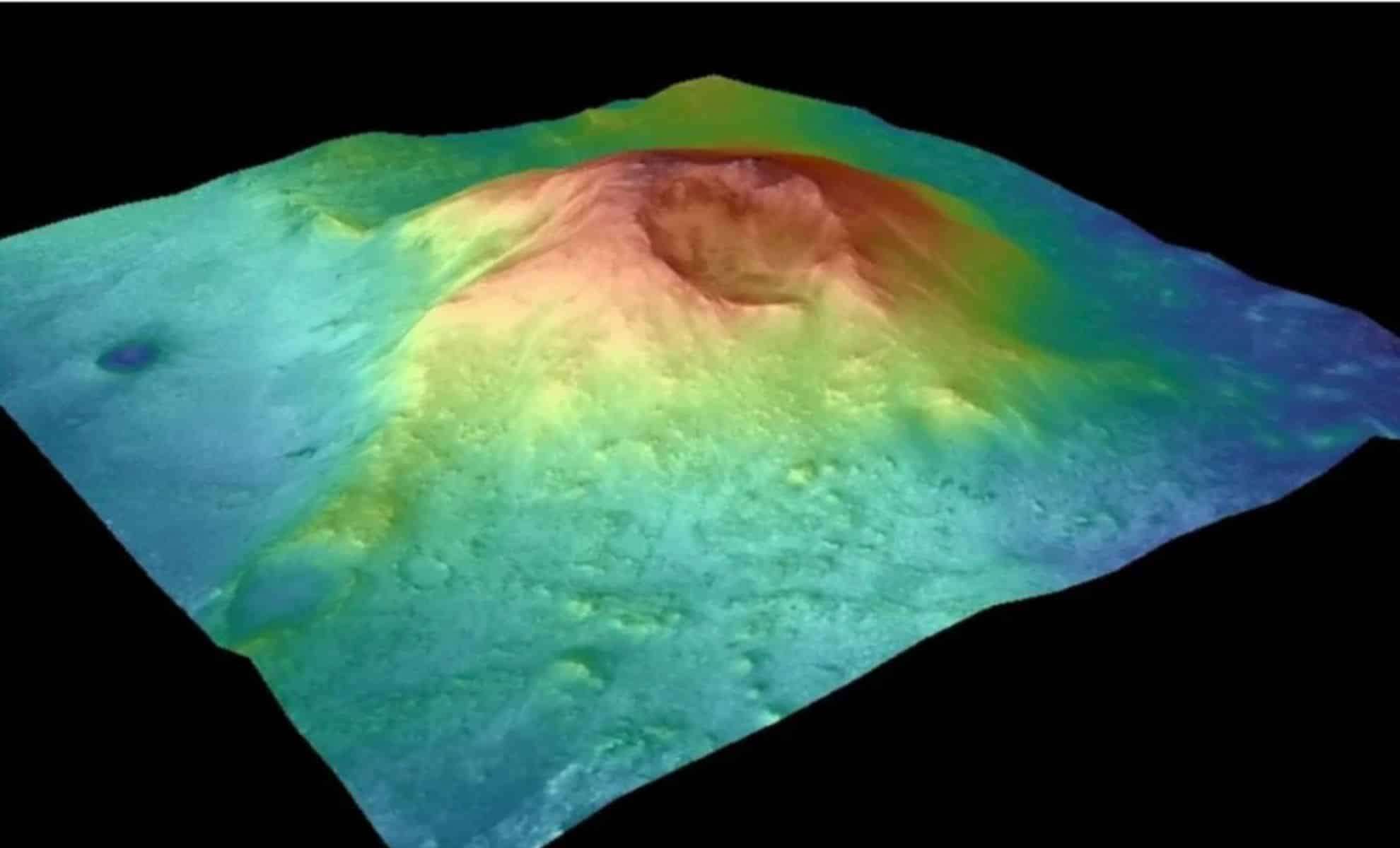
Scientists have discovered compelling indications that a prominent peak on the edge of Mars’ Jezero Crater may actually be a previously unrecognized volcano. This new research, published in Communications Earth & Environment, offers novel clues about Mars’ volcanic activity and its implications for ancient life on the planet. Leveraging data from NASA’s Perseverance rover alongside multiple orbiting spacecraft, the team has presented strong evidence that Jezero Mons serves as more than just a simple mountainous structure.
Jezero Mons Revealed: Mars’ Hidden Volcano?
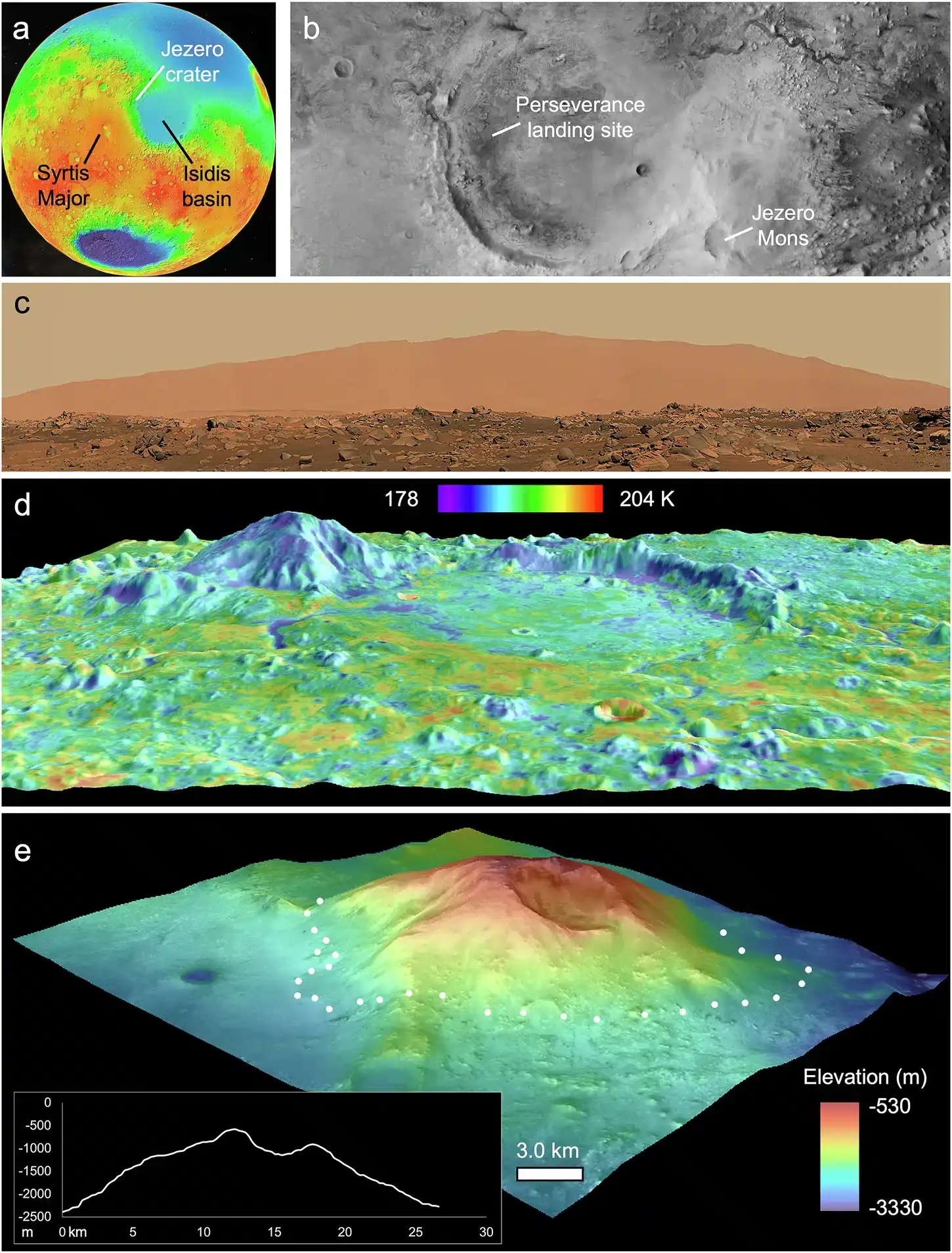
Mars is filled with fascinating terrain, from massive craters and deep valleys to enigmatic geological features. Among these, Jezero Crater stands out due to its past water-related potential. Although scientists have long suspected volcanic origins for the crater’s notable rim mountain — Jezero Mons — definitive proof was missing until this study.
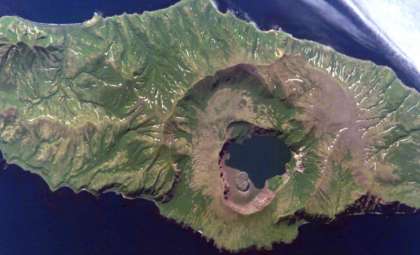
By analyzing data gathered by various Mars orbiters and the Perseverance rover, researchers have found that Jezero Mons exhibits volcanic traits similar to established volcanic formations on both Mars and Earth. Its size and contour resemble structures like Mars’ Zephyria and Apollinarus Tholi, as well as Antarctica’s Mount Sidley. Such parallels strongly support the theory that this peak was shaped by volcanic processes.

Decoding Mars’ Ancient Volcanic Activity
This finding sheds light on Mars’ geological timeline. The investigation, led by Georgia Tech astrogeology professor James Wray, incorporated datasets from orbiters including Mars Odyssey, Mars Reconnaissance Orbiter, and ExoMars Trace Gas Orbiter. Their study revealed that Jezero Mons shares morphological characteristics with explosive volcanoes identified elsewhere on Mars and Earth, particularly its form and near absence of impact craters.
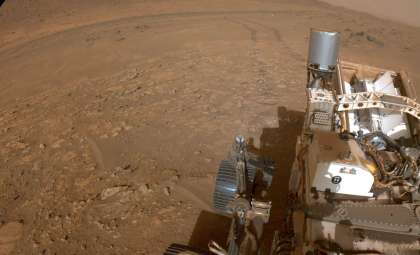
Furthermore, the northwest side of Jezero Mons displays patterns that resemble historic lava flows, suggesting these eruptions may have extended onto the crater floor. This matches observations from NASA’s Perseverance rover, which revealed that Jezero Crater’s ground consists of volcanic rock rather than sedimentary deposits, implying the volcanic remnants likely originated from Jezero Mons itself.
Implications for Mars’ Ancient Habitability
The volcanic nature of Jezero Mons has significant repercussions for the search for life on Mars. Volcanism could have fostered hydrothermal systems—environments that potentially nurtured microbial life billions of years ago. This breakthrough revitalizes the idea that Jezero Crater may have offered favorable conditions for early Martian life.
To explore this further, scientists eagerly await the return of soil and rock samples collected by the Perseverance rover. When analyzed on Earth, radiometric dating will help establish the timeframe of the volcanic activity and its connection to the presence of water.
Although many questions remain, this discovery hints that Jezero Mons could be just the beginning of uncovering undiscovered volcanic structures on Mars. “If we are just now identifying a volcano here, imagine how many more could be on Mars,” Wray remarked, underscoring the potential for numerous new findings across the Red Planet’s terrain.
- Categories:
- News





0 comments
Sign in to Comment