
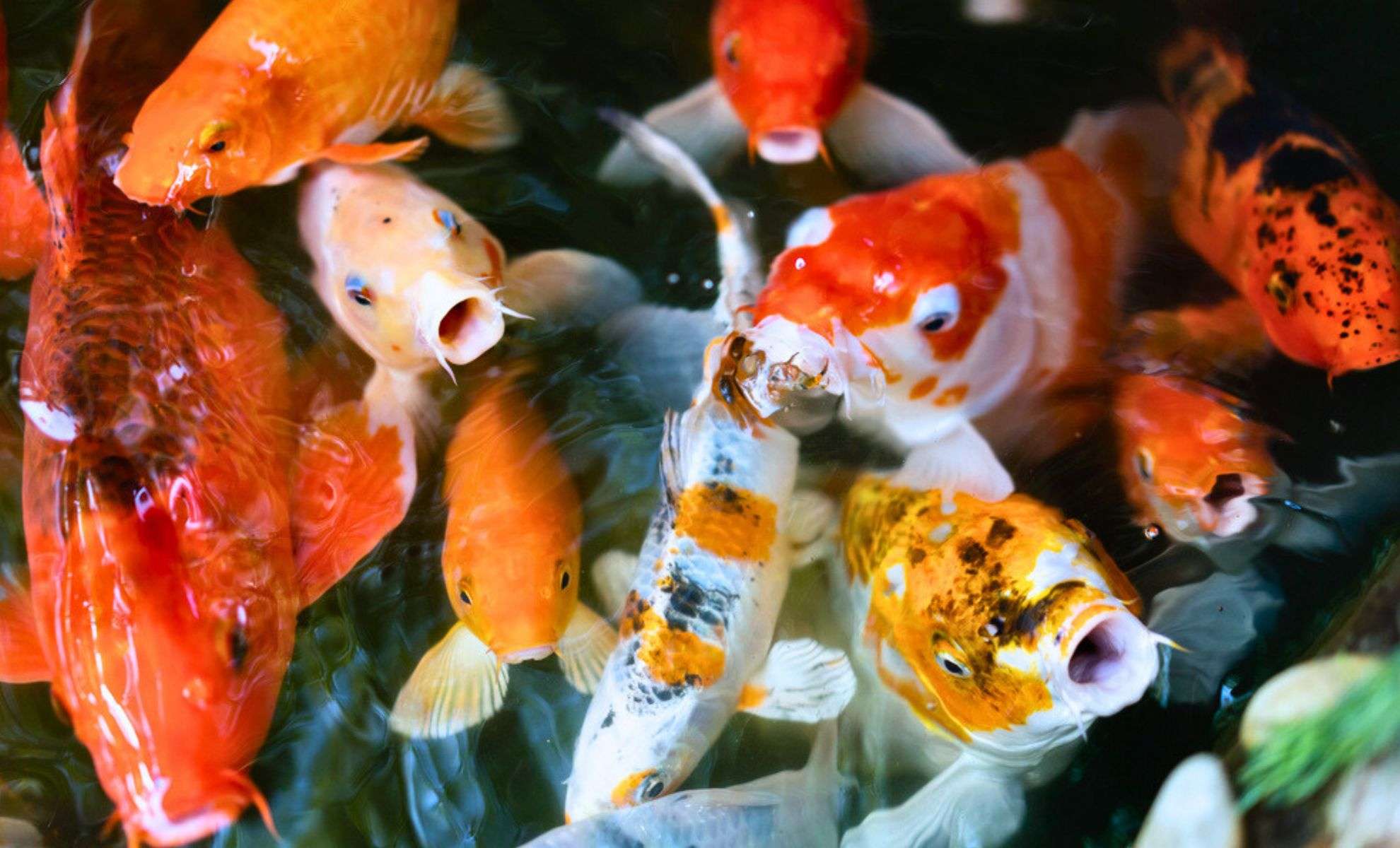
Every spring and fall, Slovenia’s Lake Cerknica transforms into a natural drama. As water levels drop, fish find themselves trapped in dwindling pools, desperately trying to access oxygen that’s rapidly depleting. Local fishermen, aware of this cyclical event, rush to save as many fish as possible. Still, many succumb to oxygen deprivation before help can arrive.
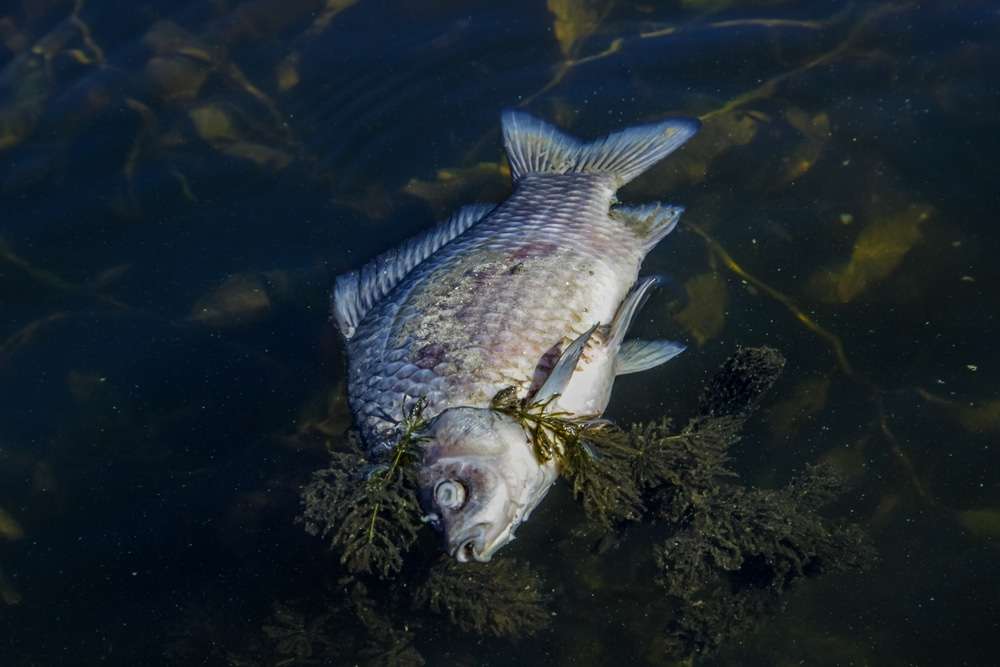
The notion of fish drowning can seem paradoxical since their existence depends on water. Yet, marine biologists and veterinary experts concur: fish can indeed suffocate underwater, a phenomenon that is becoming more frequent, often driven by human influences.
How Fish Extract Oxygen from Their Environment
Fish rely on their gills—delicate membranes filled with blood vessels that absorb oxygen from water—while expelling carbon dioxide. This vital process hinges on two critical factors: having clean, oxygen-rich water and, for certain species, maintaining continuous movement.

Sharks like white sharks and mackerel sharks, as well as bluefin tuna, lack the ability to actively pump water over their gills. They depend on a mechanism known as ram ventilation, meaning they must swim constantly to breathe. When trapped in fishing nets or injured—such as sharks mutilated for their fins—they perish from suffocation, not blood loss, according to marine researchers at Oceana cited by Live Science.

Even species capable of remaining still aren’t completely safe. Marco Vindas, a veterinary scientist at the Norwegian University of Life Sciences, explains that fish can suffer suffocation when oxygen levels in the water drop or when diseases, pollution, or rough handling damage their gills. “It’s not drowning as we understand it in mammals,” Vindas told Science Norway, “but from a biological standpoint, it results in the same outcome: oxygen deprivation and death.”
Expanding Hypoxic Zones Threaten Marine Life
The issue extends far beyond isolated fish deaths. Globally, hypoxic—or low-oxygen—zones are multiplying. The National Oceanic and Atmospheric Administration (NOAA) monitors more than 400 of these “dead zones,” caused mostly by nutrient runoff from agriculture and sewage. These nutrients spark massive algae blooms, which, upon decomposing, deplete oxygen and create vast areas inhospitable to most aquatic species.
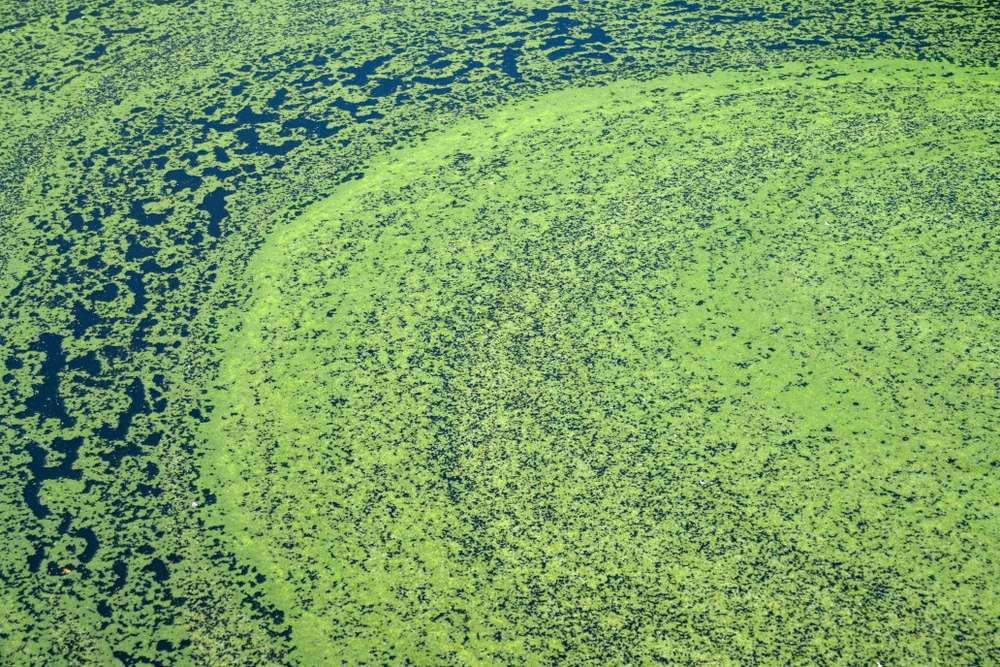
One of the most notorious dead zones appears yearly in the Gulf of Mexico, covering sometimes over 6,000 square miles. Commercial fish species either flee or succumb in these oxygen-starved waters. NOAA attributes this to excessive nutrient inputs—a byproduct of modern farming and inadequate water management across extensive watersheds.
Complicating this further is climate change. Warmer water retains less oxygen, exacerbating such underwater oxygen deficits. A 2022 report in Science revealed that oceanic oxygen levels have dropped by upwards of 2% since the 1950s, with the sharpest declines in tropical and subtropical regions that house vital commercial fish populations.
Mass Suffocation Events in Aquatic Ecosystems
The scale of oxygen-related fish deaths is alarming. In Chile, a 2019 algae bloom wiped out more than 25 million farmed salmon within days due to oxygen collapse. Similar wild fish die-offs have been documented in regions from Chesapeake Bay to Southeast Asia.
Gill infections and parasitic infestations complicate matters further. Various bacteria and aquatic fungi damage gill tissues, limiting oxygen uptake even in well-oxygenated waters. Urban pollutants like ammonia also harm the sensitive gill membranes. Though fish reside in water, they may effectively be “breathing through injured lungs.”
Fishing gear poses another serious risk. Entanglement is among the leading causes of unnatural fatalities in marine creatures. The International Whaling Commission estimates that over 300,000 dolphins, whales, and porpoises die annually due to entrapment underwater. Similarly, fish trapped in nets can suffocate when unable to move or maintain water flow across their gills.
Exceptions Exist, but Most Fish Remain Vulnerable
Some fish species have evolved unique adaptations. The lungfish uses primitive lungs to survive dry spells buried in mud for months. The arapaima of the Amazon supplements its breathing by surfacing to gulp air via a modified swim bladder. Certain goldfish and salmonid species can extract oxygen from the surface under extreme conditions.
However, these adaptations are rare. The majority of fish depend on a delicate balance of oxygenated water to survive. A 2024 World Health Organization fact sheet notes drowning is still a leading cause of mortality for human children, highlighting that breathing challenges cut across species.
Fish do not inhale water, but they absolutely require oxygen. When environmental factors disrupt oxygen availability—whether from temperature spikes, pollution, overcrowding, or injury—fish perish, underscoring the critical importance of maintaining healthy aquatic ecosystems.
- Categories:
- News











0 comments
Sign in to Comment