
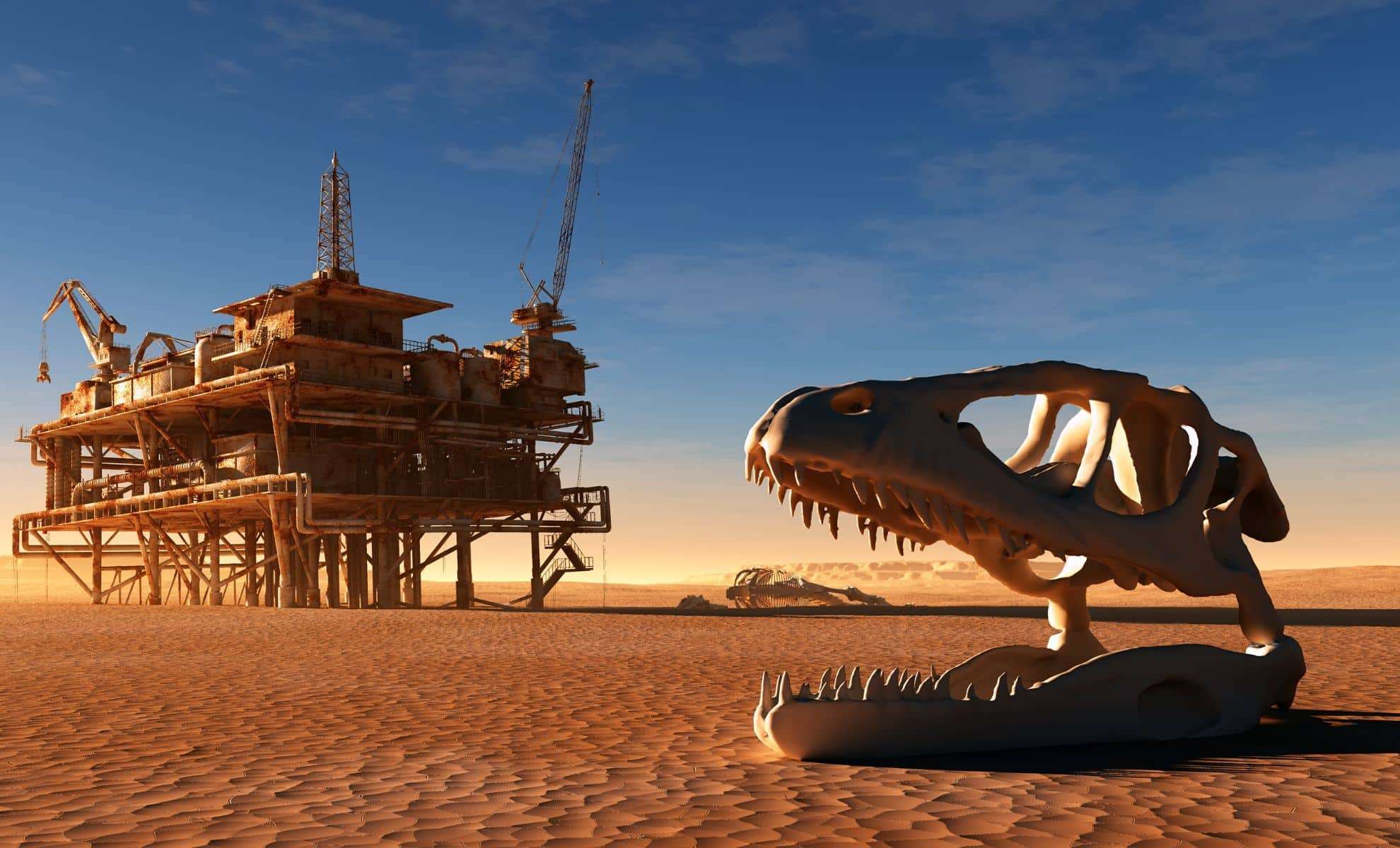
You've likely encountered the common claim that oil originates from dinosaurs. However, this popular explanation is far from accurate. As detailed in an article by Science Norway, the real source of oil and natural gas is far more fascinating. Instead of prehistoric giants, oil is formed from countless microscopic life forms that existed in ancient marine environments.
The True Source of Oil
The widespread belief that oil derives from dinosaurs is etched into popular imagination, yet it’s time to dispel this myth. The actual origin lies in the accumulation of tiny sea creatures, including plankton and algae. When these microorganisms died, their remains settled on ancient ocean floors, gradually piling up over millions of years.
Reidar Müller, a geologist based at the University of Oslo, explains that these organic deposits became covered by thick layers of sediment. Over extended periods, the increased pressure and heat caused by sediment layers transformed the organic matter into liquid hydrocarbons—the petroleum we extract today. This transformation took millions of years, after which the oil migrated upward until trapped beneath impermeable rocks, creating reservoirs accessible for extraction.

Debunking the “Fossil Fuel” Label
The label “fossil fuel” is often misunderstood. Though widely used, it can be misleading because it implies oil comes from ancient animal fossils. In reality, oil and natural gas originate from once-living marine biomass, primarily consisting of plants and microorganisms—not large creatures like dinosaurs.
Historically, the term fossil fuel emerged in the 18th century to denote energy sources formed from ancient life forms. Its popular use surged in the early 20th century as the petroleum sector promoted it to emphasize the natural origin of oil. However, as highlighted by both IFLScience and Plastics Today, a more accurate description frames oil as a form of biomass derived from marine microorganisms.
Microscopic Ancestors of Oil, Not Giant Dinosaurs
Minuscule life forms such as phytoplankton and zooplankton play a crucial role in oil’s formation. These tiny organisms, dating back about three billion years, laid down the organic matter that eventually condensed into petroleum.
Upon their death, the remains sank and were trapped beneath successive ocean sediments. The resulting pressure and temperature increases gradually converted this organic material into hydrocarbons, the primary components of oil and natural gas. This geological process, spanning millions of years, supplies much of the planet’s energy sources today.
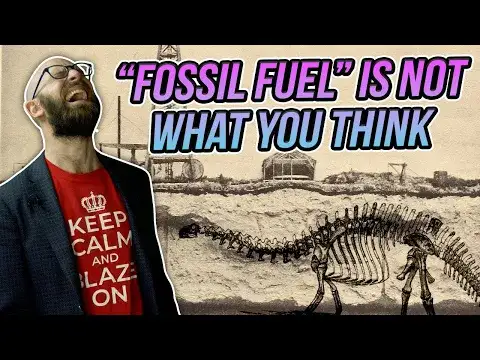
Remarkably, this natural biomass-to-oil transformation inspires innovations in producing plastics. Since plastics originate from petroleum, they too are ultimately derived from ancient biomass. Modern bio-based plastics crafted from plants like corn, sugarcane, and switchgrass emulate this natural conversion, but accelerate the process through human engineering.
- Categories:
- News












0 comments
Sign in to Comment