
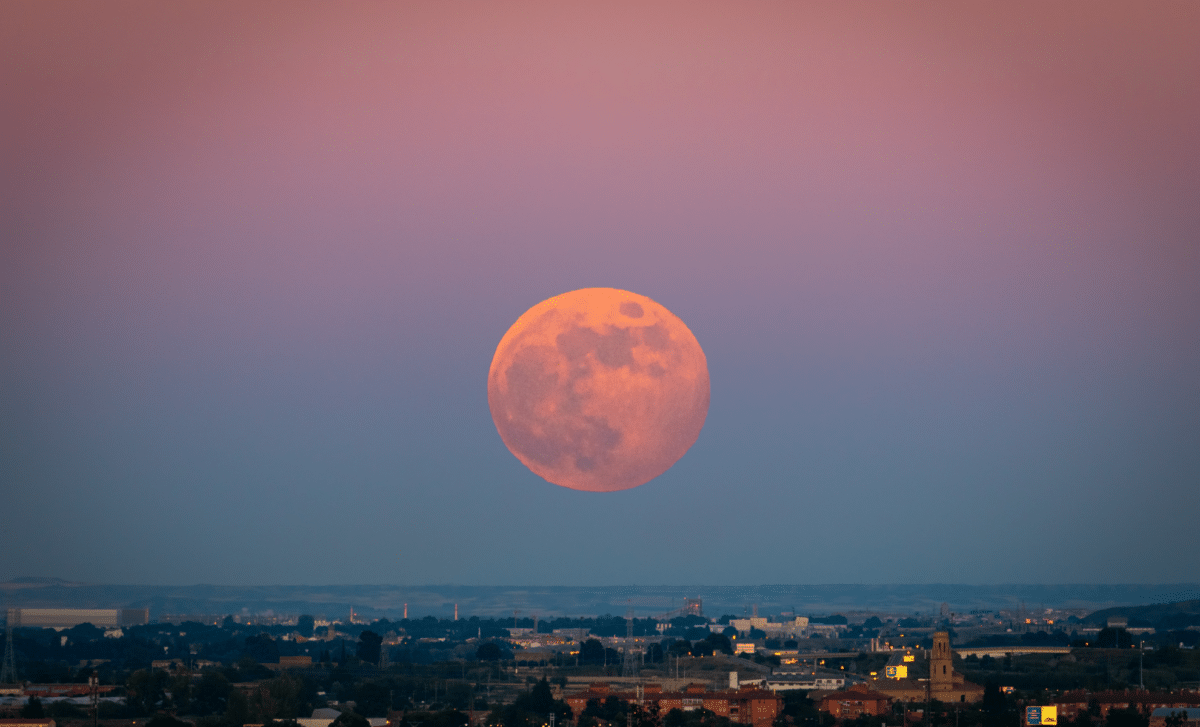
In June, the Strawberry Moon will grace the night sky, presenting an impressive celestial event steeped in rich cultural significance. As highlighted by The Old Farmer's Almanac, this Full Moon goes beyond a stunning display—it marks a seasonal milestone tied to Native American and European heritage, signaling the strawberry harvest and the arrival of summer prosperity.
The Roots Behind the Strawberry Moon Name
The name Strawberry Moon traces back to the Algonquian peoples of northeastern America, who used this lunar phase to time their picking of early season strawberries. Other Native American groups such as the Ojibwe, Dakota, and Lakota similarly connected this Moon to the height of summer fruit readiness. European traditions brought additional titles like Honey Moon or Mead Moon, reflecting the prevalence of weddings in June. These lunar names reveal how ancient societies linked moon phases to agriculture, social customs, and spirituality.
Contrary to some beliefs, the Moon rarely adopts a true red coloration; the "strawberry" reference is symbolic. Occasionally, the Moon may take on a reddish tone when near the horizon due to atmospheric effects, but the name mainly stems from its significance in seasonal cycles, showcasing the blend of folklore and astronomy as tools to organize community life.

When and Where to Catch the Full Moon
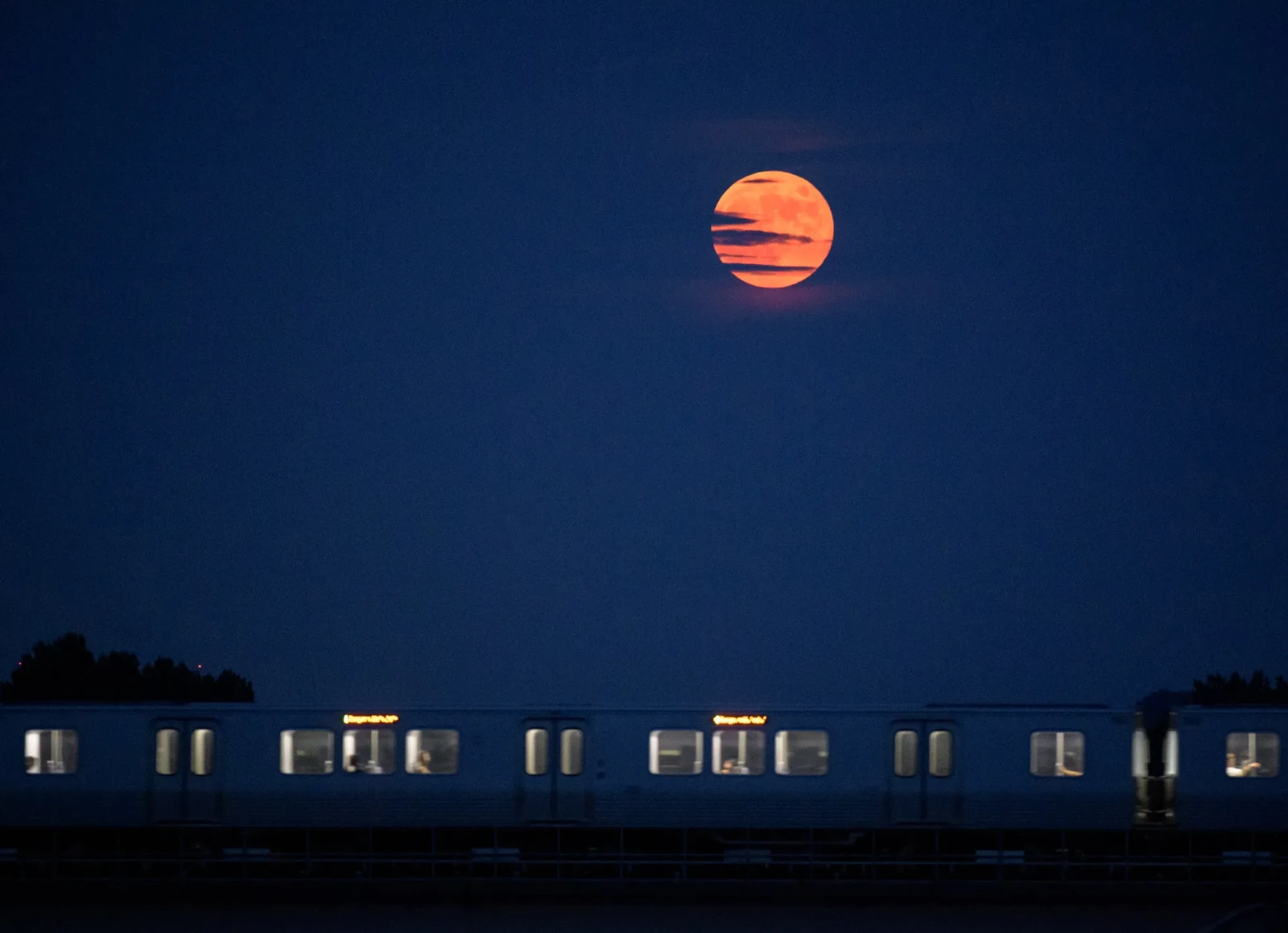
Observers should note June 29 at 7:56 P.M. EDT for the peak of the Full Moon, visible throughout the U.S. Those in other time zones can determine local peak times using tools like the Full Moon Calculator by The Old Farmer's Almanac. For optimal viewing, seek an open area with little light interference. The Moon appears larger and warmer near the horizon due to light scattering, a familiar effect for astronomers and photographers alike.
This lunar event also aligns with advantageous tides and weather conditions. Traditional knowledge suggests that fishing, crabbing, and shrimping thrive during the Full Moon, while gardening and outdoor gatherings are often planned with lunar phases in mind. Photographers can take advantage of the Strawberry Moon’s glow to capture striking landscape images, especially with reflections over water bodies enhancing the scene's vibrancy.
Additional Names and Cultural Importance
Apart from the Strawberry Moon, various cultures have assigned alternative names that reflect natural cycles. The Anishinaabe identified it as the Blooming Moon, marking a time of blossoming plants. The Cherokee and Western Abenaki called it the Green Corn or Hoer Moon, indicating critical times for farming. In the Pacific Northwest, the Tlingit named it the Birth Moon, corresponding with animal birthing seasons, while the Cree recognized it as the Egg Laying or Hatching Moon.
These diverse names illustrate how lunar phases connected communities not only to their own activities but also to ecological rhythms, underpinning holistic calendars. Modern sky enthusiasts gain a richer perspective by appreciating these traditional labels, which remind us that the Moon has long guided both labor and celebration.
Key Moon Phases for June 2026
The lunar events in June 2026 include several important points: the Last Quarter on June 8 at 6:00 A.M. EDT, the New Moon on June 14 at 10:54 P.M. EDT, the First Quarter on June 21 at 5:55 P.M. EDT, culminating in the Full Moon on June 29 at 7:56 P.M. EDT. Each phase influenced traditional practices such as planting, harvesting, fishing, and household management. After the Full Moon, many cultures anticipated weather changes, showcasing how lunar observations linked environmental predictions with social scheduling.
By following these phases, contemporary observers can reconnect with longstanding traditions while enjoying both the scientific and aesthetic wonders of the Moon.
- Categories:
- News










0 comments
Sign in to Comment