

In the depths of the Amazon River's complex waterways, researchers have uncovered a strikingly unique fish species with an equally distinctive name. Detailed in the scholarly journal Neotropical Ichthyology, the newly identified Myloplus sauron enriches the catalog of Amazonian wildlife and features an unexpected homage to J.R.R. Tolkien's legendary lore.
Drawing inspiration from the notorious Sauron antagonist in The Lord of the Rings, this fish boasts a striking black vertical stripe along its body paired with luminous orange markings reminiscent of the fiery Eye of Sauron. While the name sounds theatrical, its discovery is backed by thorough scientific analysis and evolutionary study.
A Plant-Eating Pacu Sporting Unique Colors
Despite its menacing namesake, Myloplus sauron is far from a threat. It belongs to the pacu group, relatives of piranhas, known more for their herbivorous diet and gentle nature than aggression. This species was found in Brazil's Rio Madeira Basin, a biologically rich tributary within the vast Amazon River system.

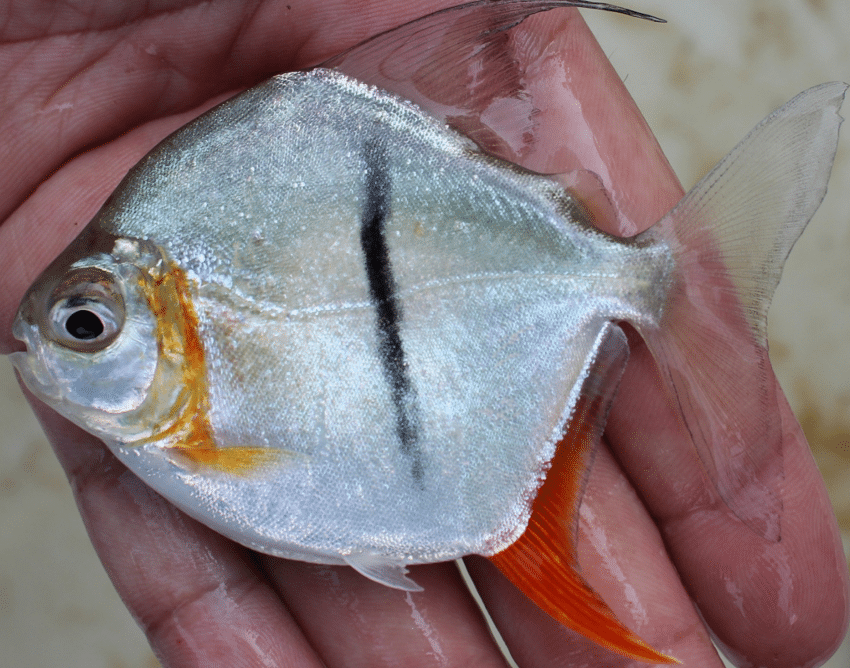
Aside from its remarkable color pattern, the research team led by Marcelo C. Andrade, Mário de Pinna, and Flávio C. T. Lima highlighted distinct anatomical attributes such as its dentition, fin shape, and skull morphology that justified its identification as a separate species.
“The vivid orange patches and the dark vertical band immediately reminded us of Sauron’s eye,” wrote the researchers. “It felt fitting to immortalize this in the species name.”
Enhancing Understanding of Pacu Lineages
Beyond its name, this fish clarifies evolutionary relationships within pacus. Researchers have often grappled with the genetic diversity among Myloplus species, which tend to look alike but differ genetically.
Myloplus sauron shares a close genetic relationship with Myloplus arnoldi, yet differs notably in jaw structure and scale counts. These differences may reflect convergent evolution, where environmental factors drive similar traits in unrelated species.
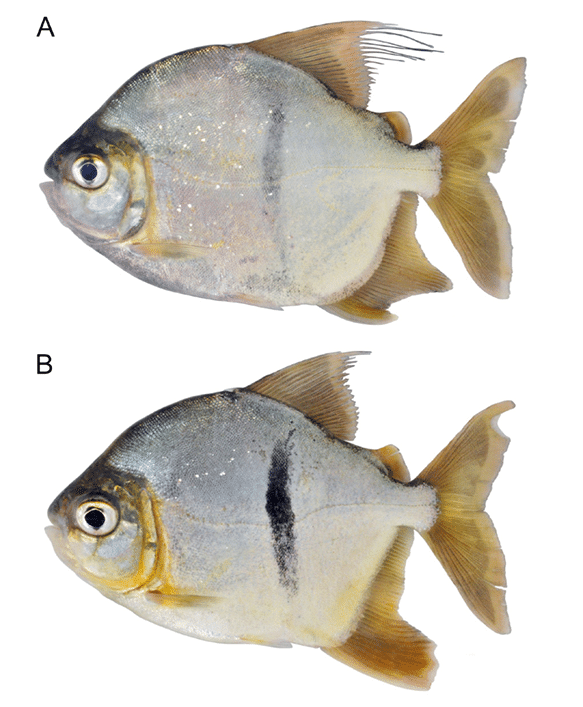
This discovery positions M. sauron as a key piece in understanding the evolutionary puzzles of tropical freshwater fishes, informing future biodiversity research.
The Amazon: A Treasure Trove of Biodiversity
The Amazon continues to reveal astounding biological riches. A 2021 collaboration by WWF and the Mamirauá Institute reported over 220 newly described species of plants and animals between 2014 and 2018. Many of these new findings are aquatic and remain poorly studied due to the region's vastness and remoteness.
However, deforestation, mining, and hydroelectric developments pose threats that may limit the opportunity to discover and protect species such as Myloplus sauron.
“There’s an urgency to this work,” said Dr. Mário de Pinna, ichthyologist at the University of São Paulo and co-author of the study. “With each species we describe, we’re adding another layer of understanding—but we’re also racing against time.”
A Fascinating Tradition of Tolkien-inspired Species Names
Myloplus sauron continues a whimsical trend of naming creatures after Tolkien’s mythos. Recent years have seen a dinosaur named Sauroniops, a genus of butterflies called Saurona, and even an arachnid dubbed Ochyrocera laracroft. Such choices often help raise public interest in taxonomy and conservation.
By blending popular culture with scientific discovery, the research team draws attention to this modest, herbivorous Amazonian fish that might otherwise escape notice.
- Categories:
- News













0 comments
Sign in to Comment