
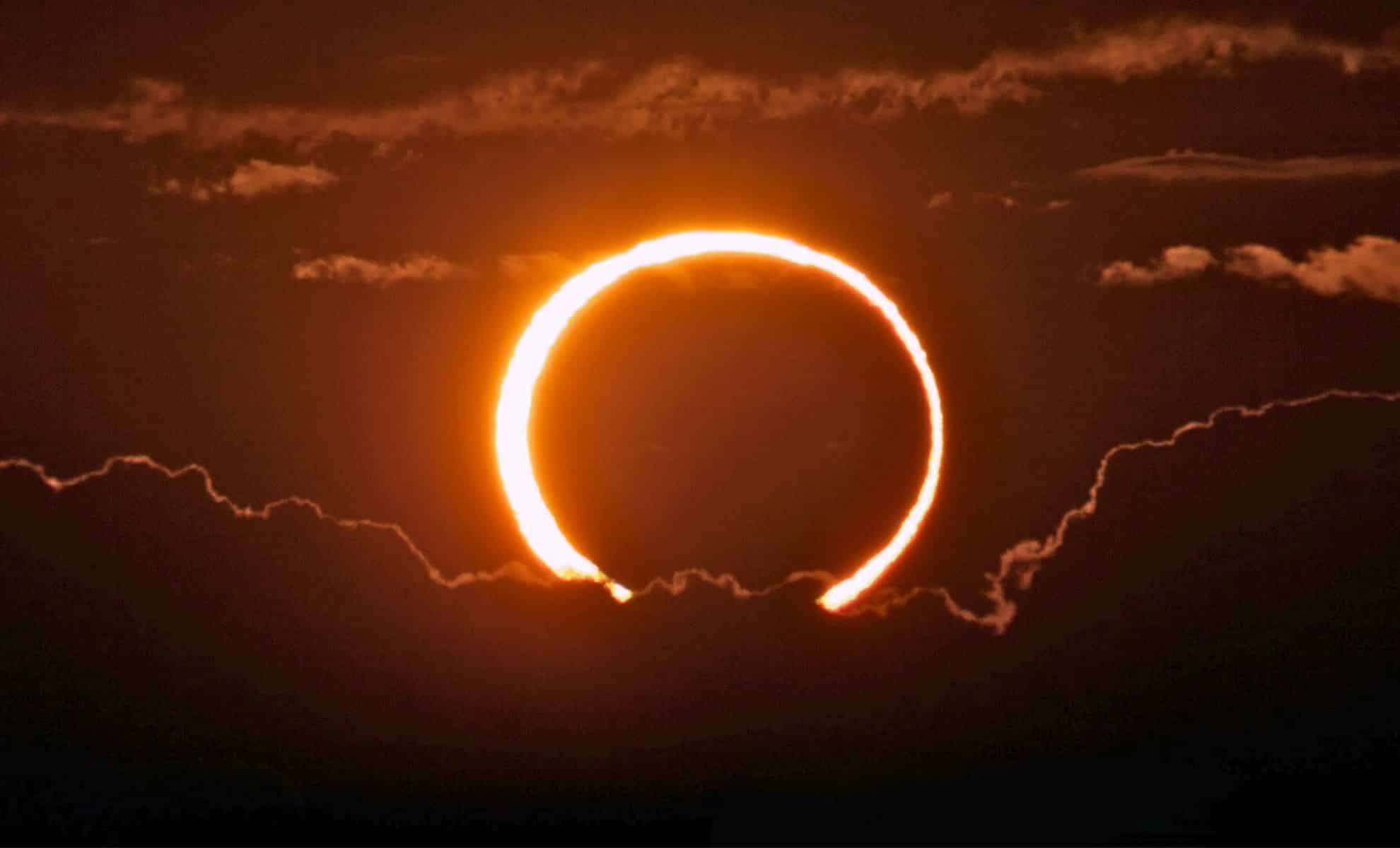
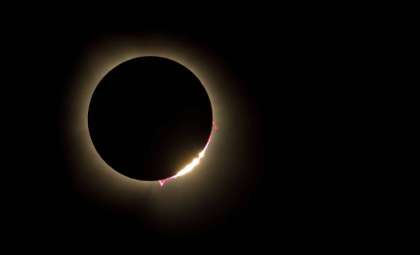
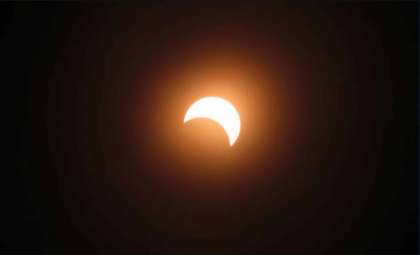
On August 2, 2027, a spectacular celestial event will unfold, casting an extraordinary shadow across historically significant regions. This will be the longest total solar eclipse of the 21st century, spanning parts of North Africa, the Middle East, and southern Europe. Such an occurrence hasn't been witnessed since 1991 and won't likely be matched until 2114.
According to Forbes, totality is expected to last up to 6 minutes and 23 seconds, with the optimal viewing location near Luxor, Egypt—a city rich in ancient heritage. This makes the eclipse not only an astronomical marvel but also a culturally significant moment, captivating scientists, tourists, and eclipse enthusiasts worldwide.
Jay Anderson, a seasoned eclipse meteorologist and co-founder of the forecasting website Eclipsophile, highlights the region's outstanding weather patterns. “The August eclipse path over Libya and western Egypt has experienced zero clouds on eclipse day across the past 23 years,” Anderson notes. This lends the 2027 eclipse exceptional visibility and reliability.

Tracing the Eclipse Through Timeless Terrain
The shadow will travel an extensive 15,227-kilometre (9,462-mile) route beginning in the North Atlantic Ocean, moving past the Strait of Gibraltar, and crossing land in southern Spain, northern Morocco, Algeria, Tunisia, Libya, and Egypt, before proceeding into Saudi Arabia, Yemen, and parts of eastern Africa.
While full totality will elude most of Europe, southern Spain—especially areas like Cadiz and Malaga—will witness nearly 3 minutes of darkness. In France, the eclipse will be partial, with coverage reaching up to 72% in cities such as Toulouse and Marseille, and around 50% in Paris.
The peak of the eclipse will align just southeast of Luxor, coinciding with local midday as the Sun is obscured by the Moon high above landmarks like the Karnak temples, Luxor Temple, and the Valley of the Kings. This intersection of cosmic and ancient wonders has prompted advanced bookings of luxury eclipse tours and astro-cultural experiences.
A Unique Chance for Solar Science
Solar eclipses offer invaluable windows for scientific research beyond their visual drama. During totality, the solar corona—the Sun’s outer and tenuous atmosphere—becomes visible, permitting studies of its magnetic fields, plasma dynamics, and energized solar eruptions.
The 2027 eclipse is expected to involve global scientific collaboration, including teams from NASA, who use eclipses to fine-tune instruments, probe space weather, and test new observation tools. Their eclipse information hub details how such events illuminate the Sun’s magnetohydrodynamics and improve forecasting of space weather phenomena.
Thanks to an extended duration and elevated Sun angle at maximum totality, this eclipse offers rare opportunities for detailed, high-resolution observations. Universities in Egypt, Spain, and Morocco are gearing up for field research deployments, and observatories worldwide plan extensive live streaming.
Surging Interest in Eclipse Tourism and Culture
The eclipse tourism sector is thriving, with 2027 poised to set new records. The Egyptian Tourism Authority reports that lodging in Luxor is almost fully booked, attracting both astronomers and cultural travelers. Eclipse expert Jamie Carter emphasizes the shared human impact: “A total solar eclipse unites people worldwide in amazement. For a brief six minutes, our collective gaze turns skyward—not with fear, but with wonder.”
Observations of solar eclipses date back thousands of years in Egypt. Historians suggest ancient Egyptian astronomers recorded eclipses on temple walls and star charts, seeing them as divine omens. In 2027, as the Moon’s shadow once more darkens these ancient stones, science and tradition will converge in a rare celestial moment.
- Categories:
- News



0 comments
Sign in to Comment