
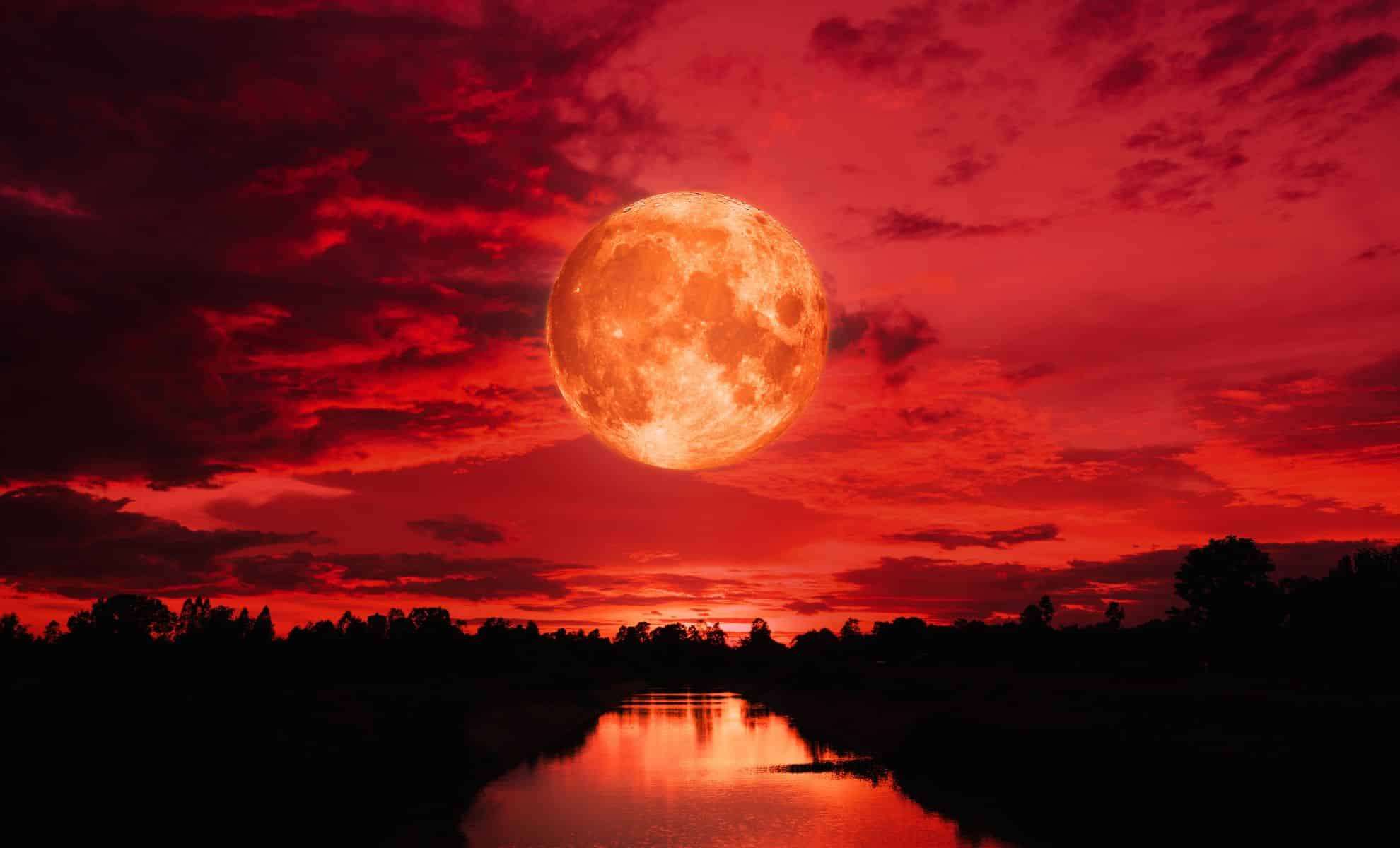
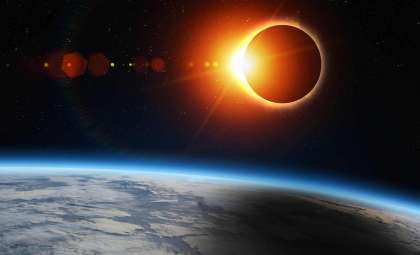
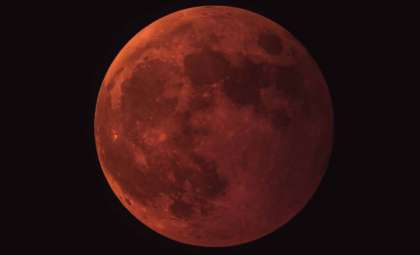
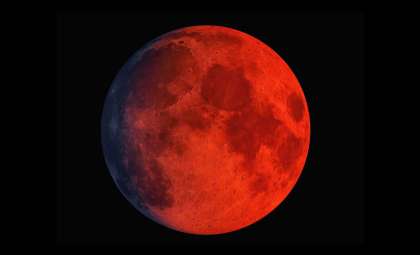
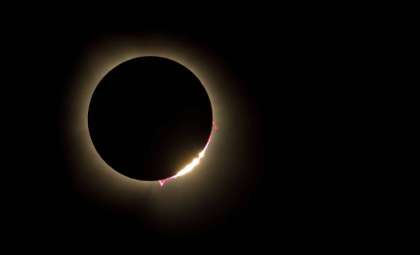
An extraordinary total lunar eclipse, the lengthiest since 2022, is ready to turn the moon a striking copper hue on the evening of September 7–8. The Earth’s shadow will completely cover the moon for over 82 minutes, creating the much-admired blood moon. It's estimated that nearly 5.8 billion people, roughly 71% of the global population, will be able to observe this celestial event.
Timing and Visibility of the Eclipse
The eclipse is scheduled to kick off at 15:28 UTC (17:28 Paris time) on September 7 and conclude at 20:55 UTC (22:55 Paris time). Spanning over five hours in total, the eclipse’s full phase will last longer than any lunar eclipse observed in the last two years.
Viewers in Australia, including Sydney, Melbourne, and Perth, will have the earliest opportunity to watch. As the night continues, the lunar shadow will cross into Asia, with excellent sightlines from Tokyo and Seoul. Later, the eclipse’s reach will extend westward to parts of Africa and Europe, where cities such as Moscow, Ankara, and Bucharest will see the moon rising already eclipsed.

North America won’t be able to observe this event since daylight will prevail across the continent. The next opportunity for a total lunar eclipse visible there will occur on March 2–3, 2026, lasting approximately 58 minutes (NASA’s lunar eclipse calendar offers detailed schedules).
The Science Behind the Moon’s Red Glow
During a lunar eclipse, the moon doesn’t disappear when Earth blocks sunlight. Rather, it emits a reddish glow because of the Earth’s atmosphere acting as a filter. Shorter wavelengths like blue and green scatter away, while longer red and orange wavelengths bend around the planet and illuminate the moon, casting it in vivid reddish tones.
NASA astrophysicist Sarah Noble elaborated on this in a previous educational article: “The same light physics that tints sunsets red is what colors the moon during a lunar eclipse—except the moon is now the receiver.” Although the mechanism is simple, the resulting spectacle is breathtaking and can be observed without specialized instruments.
Viewing Tips for the Blood Moon
One of the greatest benefits of a lunar eclipse is that it’s safe to watch with the naked eye—no special glasses required. For enhanced viewing, binoculars or a small telescope can reveal detailed lunar features, including craters visible even during totality.
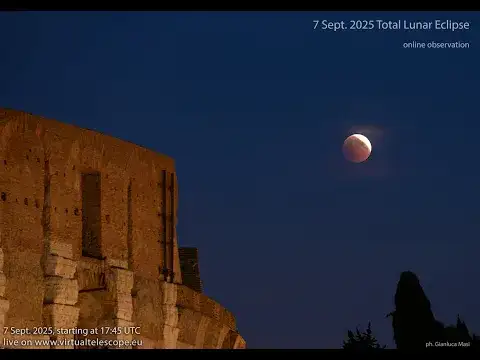
If you’re outside the viewing area, online streams make it possible to follow along. Platforms such as Time and Date will broadcast the eclipse live from Cyprus, while the Virtual Telescope Project will stream coverage from Italy, bringing this remarkable event directly to a global audience.
- Categories:
- News



0 comments
Sign in to Comment