
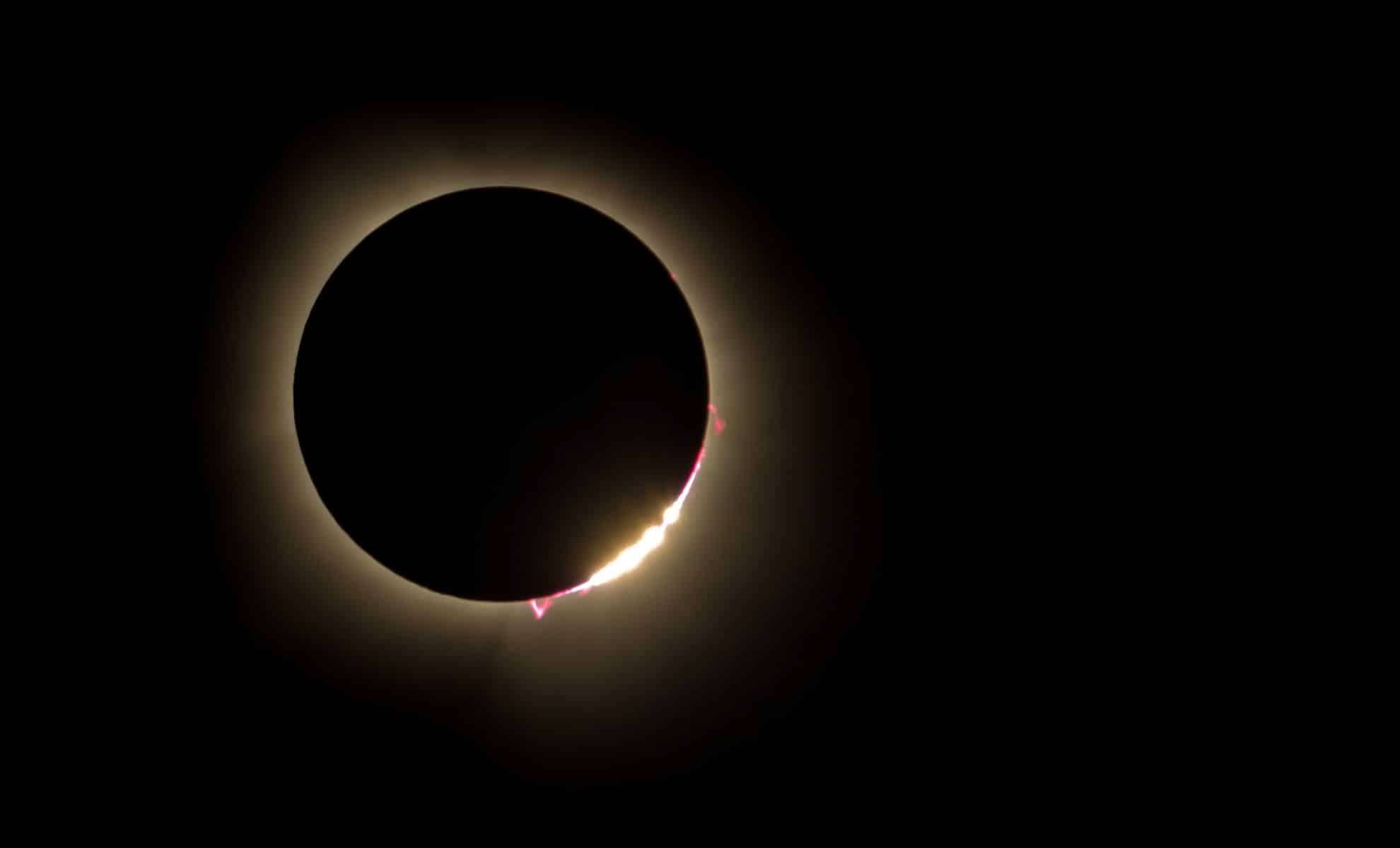
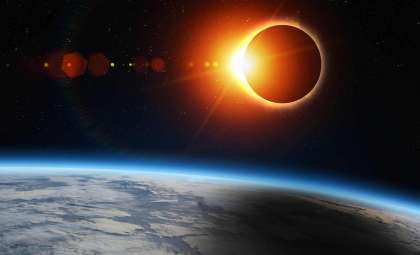
During the summer of 1973, scientists embarked on a remarkable adventure aboard a supersonic plane over North Africa. Their mission was not for fast travel, but to follow the Moon’s shadow and witness an unprecedented phenomenon: the lengthiest total solar eclipse ever documented, lasting an extraordinary 74 minutes without interruption.
Transforming Concorde 001 Into an Aerial Observatory
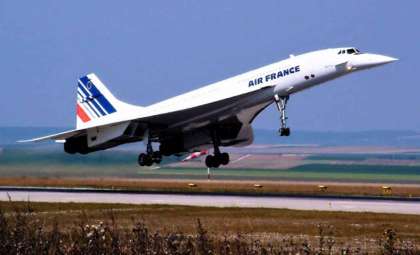
On June 30, 1973, the Concorde 001 prototype took off from Las Palmas in the Canary Islands en route to the eclipse path crossing the Sahara Desert. With specialized roof portholes installed, the jet became a high-altitude research station. Flying at over Mach 2.05—approximately 2,531 km/h (1,573 mph)—it entered the Moon’s darkest shadow, the umbra, and stayed within it for an impressive 74 minutes.
A team of just seven scientists from France, Britain, and the United States coordinated this unique mission. By matching the speed and path of the Moon’s shadow, the Concorde effectively chased the eclipse’s umbra across Earth, enabling a dramatically prolonged observation that would otherwise require witnessing many eclipses under ideal conditions.

Precision and Timing: A Critical Race Against Time
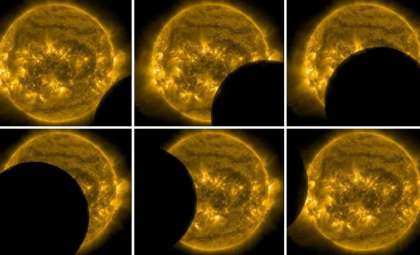
The mission’s timing was crucial. According to research documenting the flight, “Had the aircraft arrived two minutes earlier, the totality period would have shortened by 25 minutes, compromising crucial eclipse phases.” These phases—called second and third contacts—mark the moments when the Sun is fully and then partially obscured.
Flying at altitudes between 53,000 to 58,000 feet (16,200 to 17,700 meters), the Concorde was well above clouds and commercial air traffic. This rare vantage point minimized atmospheric distortion and background interference, providing clear conditions to gather high-quality data not possible from ground observations.
Revealing New Insights From the Upper Atmosphere
Onboard researchers concentrated on the solar corona, the Sun’s outer atmosphere visible only during total eclipses, which remains one of solar science's enduring enigmas due to its unexpectedly high temperature compared to the Sun’s surface.
Five research teams simultaneously investigated different eclipse features during the extended totality. Notably, the second contact phase lasted 7 minutes, while the third contact phase spanned 12 minutes. These prolonged intervals allowed for in-depth tracking of corona dynamics, solar altitude phenomena, and detailed chromospheric imaging.
A Mission That Changed Eclipse Observation Forever
Years later, physicist Donald Liebenberg, a participant in the flight, described the experience as unforgettable. He is recognized for spending more cumulative time under total solar eclipses than anyone else, a distinction largely owed to this epic journey.
This pioneering use of supersonic flight revolutionized eclipse research methods. The study’s authors affirmed that future eclipse investigations should prioritize airborne approaches over traditional ones due to their clear advantages.
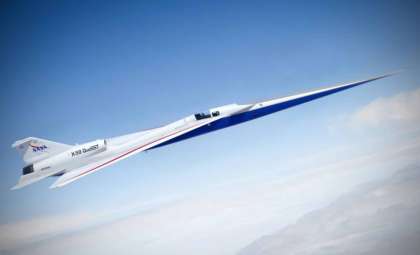
The Concorde’s legacy continues to inspire projects like NASA’s WB-57 eclipse research jets and the ESA Proba-3 mission, which aims to simulate solar eclipses in space by precisely aligning multiple spacecraft.
Without digital sensors or satellite technology, the 1973 Concorde mission marked a milestone in eclipse science by combining speed, altitude, and innovation to prolong darkness and expand our understanding of solar phenomena.
- Categories:
- News


0 comments
Sign in to Comment