
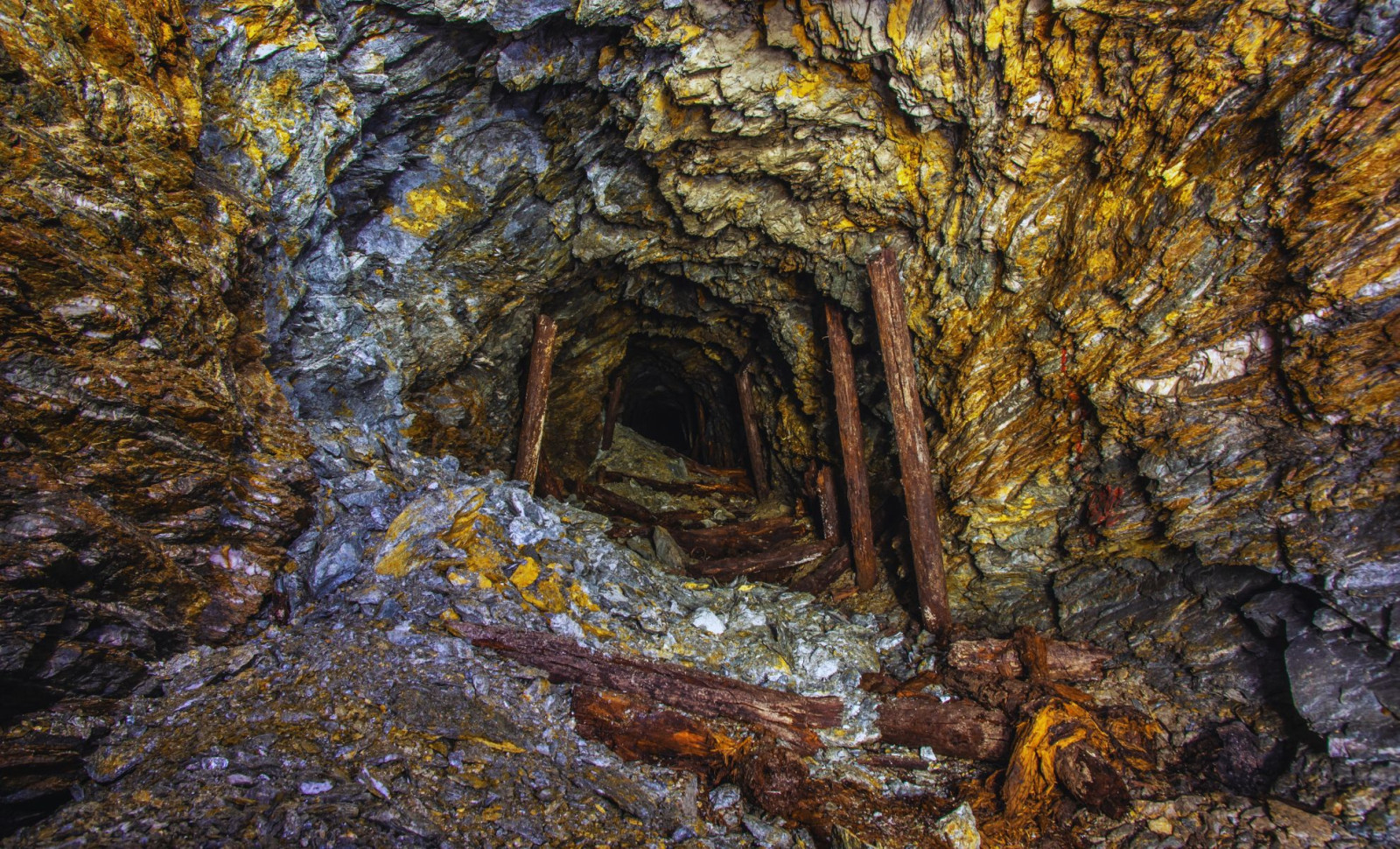
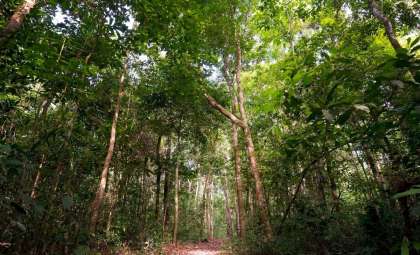
Scientists have identified a previously unknown Roman-era goldmine concealed beneath heavy vegetation in León, Spain. Situated in the Eria river basin, the site was exposed through the use of advanced LiDAR (Light Detection and Ranging) technology, enabling researchers to map the ancient mining systems without disturbing the terrain.
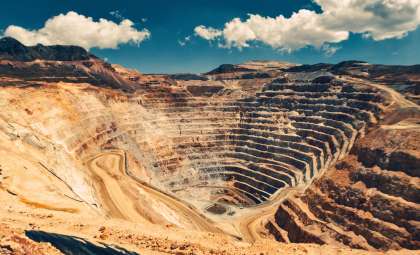
This finding adds to the historical understanding of Las Médulas, the Roman Empire's largest open-pit goldmine, located nearby. Yet, the newly uncovered location lies farther southeast and had not been documented previously.
LiDAR Technology Unveils Concealed Roman Mining Structures
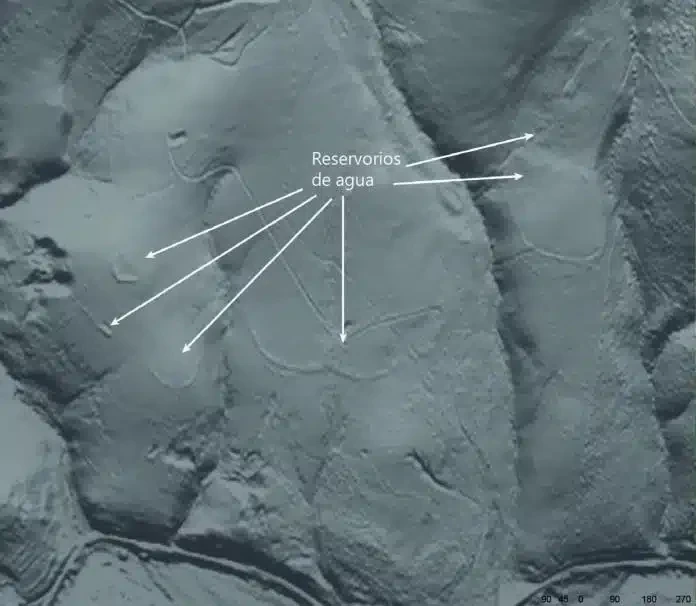
The breakthrough was achieved using LiDAR scanning, which uses airborne laser pulses to create detailed images of the Earth's surface. The University of Salamanca team reported that this approach allowed them to detect archaeological features hidden beneath dense plant cover.

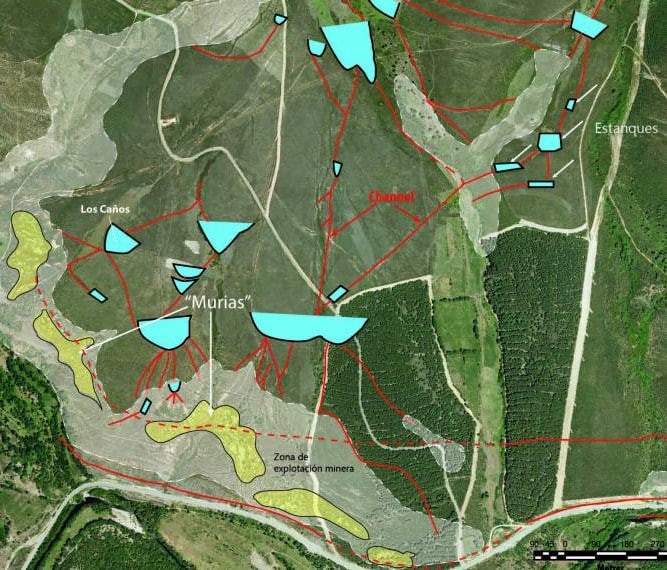
By interpreting the laser-generated data, the team successfully reconstructed a complex layout of Roman-era water channels and storage systems without the need for invasive digs.
“Unlike traditional aerial photography, this airborne laser detection system allows the visualization of archaeological remains under vegetation cover or intensely ploughed areas,” said Javier Fernández Lozano, a geologist involved in the project.
This pioneering technique could revolutionize archaeological exploration and mapping of ancient sites.
Celebrating Roman Engineering Excellence
The revealed system of channels and reservoirs exemplifies the advanced engineering prowess of the Romans. Their gold extraction relied on complex water management strategies, possibly adapted from Egyptian methods. Fernández Lozano noted that the sheer scale of earthworks at the location surpasses earlier estimates.
“The volume of earth exploited is much greater than previously thought and the works performed are impressive, having achieved actual river captures, which makes this valley extremely important in the context of Roman mining in the north-east of the Iberian Peninsula,” he explained to the Spanish-language science news outlet, the Information and Scientific News Service (SINC).
This intricate waterworks system highlights the Roman ability to harness natural resources for enhanced gold recovery.
Mysteries Surrounding the Deserted Goldmine
An intriguing aspect of this site is the uncertainty behind why such a profitable goldmine was left unused. Fernández Lozano emphasized that the reasons for abandoning this valuable resource remain unknown.
“Our intention is to continue working with this technique to learn more about mineral mining in the Roman Empire and clear up any mysteries such as why Rome abandoned such a precious resource as gold from one day to the next.”
With ongoing investigations, future research may reveal further insights into Roman mining technologies and their decision-making processes regarding gold extraction.
- Categories:
- News

0 comments
Sign in to Comment