
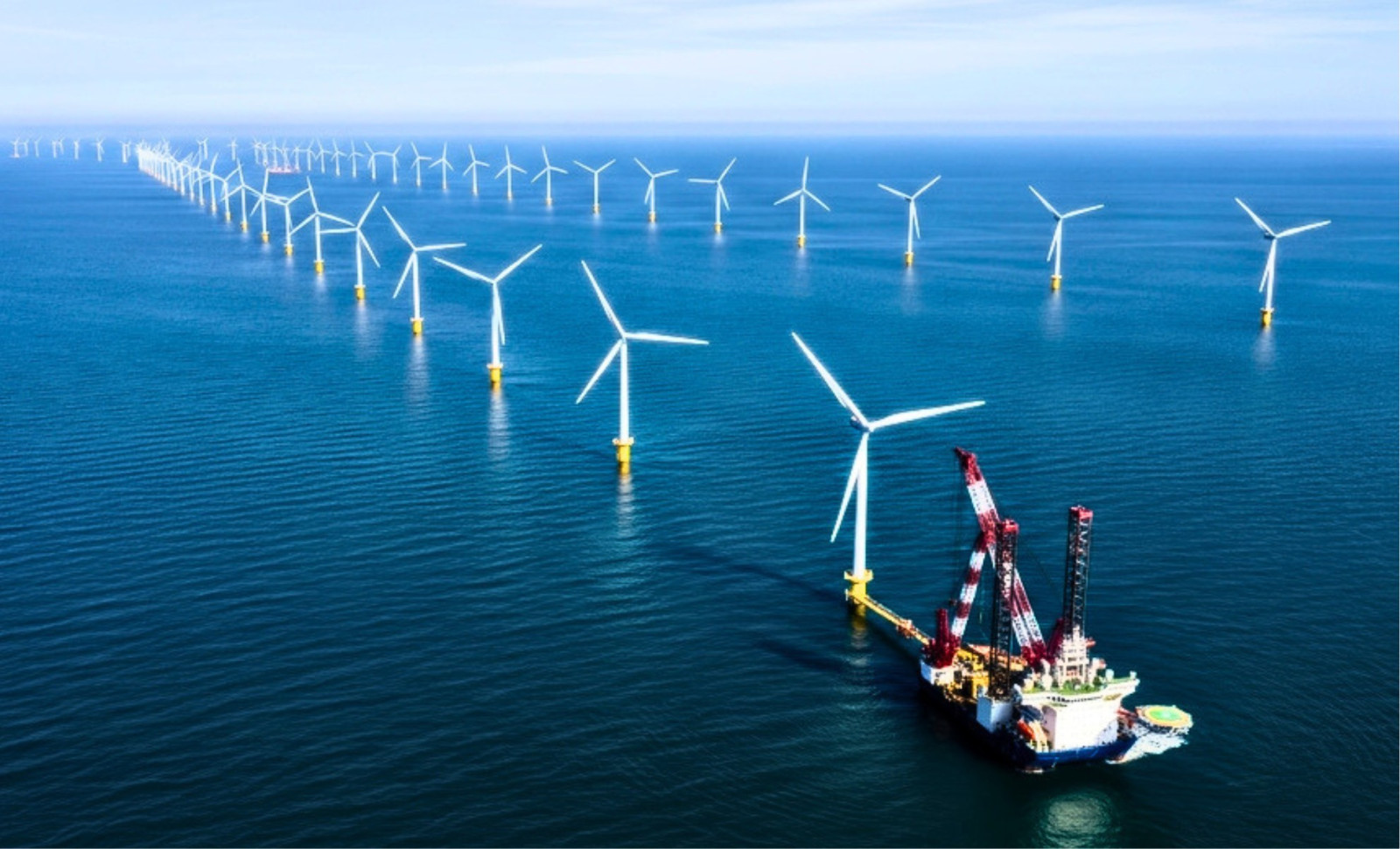
The largest offshore wind farm on the planet has hit a significant development marker. On March 26, Ørsted successfully retrieved the initial export cable for Hornsea 3 from beneath the North Sea and brought it ashore in the UK, marking the project's first physical link to the national electricity grid. This 2.9-gigawatt wind farm aims to generate enough power to supply more than 3.3 million households across Britain, with operations expected to begin by late 2027.
This cable installation represents just one element of a broader construction campaign. Jan De Nul Group, the Belgian maritime contractor responsible, will lay a total of 680 kilometres of export cable before completing work by the end of 2026. Meanwhile, cable manufacturer NKT began producing the cables three years ago and plans to finish by summer this year.
The Role of the Export Cable
The export cable system comprises more than a single line; it integrates two high-voltage direct current cables alongside a fiber optic cable. This design allows real-time transmission of operational data to the wind farm’s command center. Combining these components into one bundle streamlines laying procedures and safeguards the cables during installation.

When Hornsea 3 starts generating electricity, power will flow offshore through the cable to the coastline, then continue via an underground onshore cable stretching over 50 kilometres to a converter station located in Swardeston, Norfolk. Here, the direct current is converted for integration into the UK national grid. The subterranean route also minimizes disruption to the Norfolk landscape.
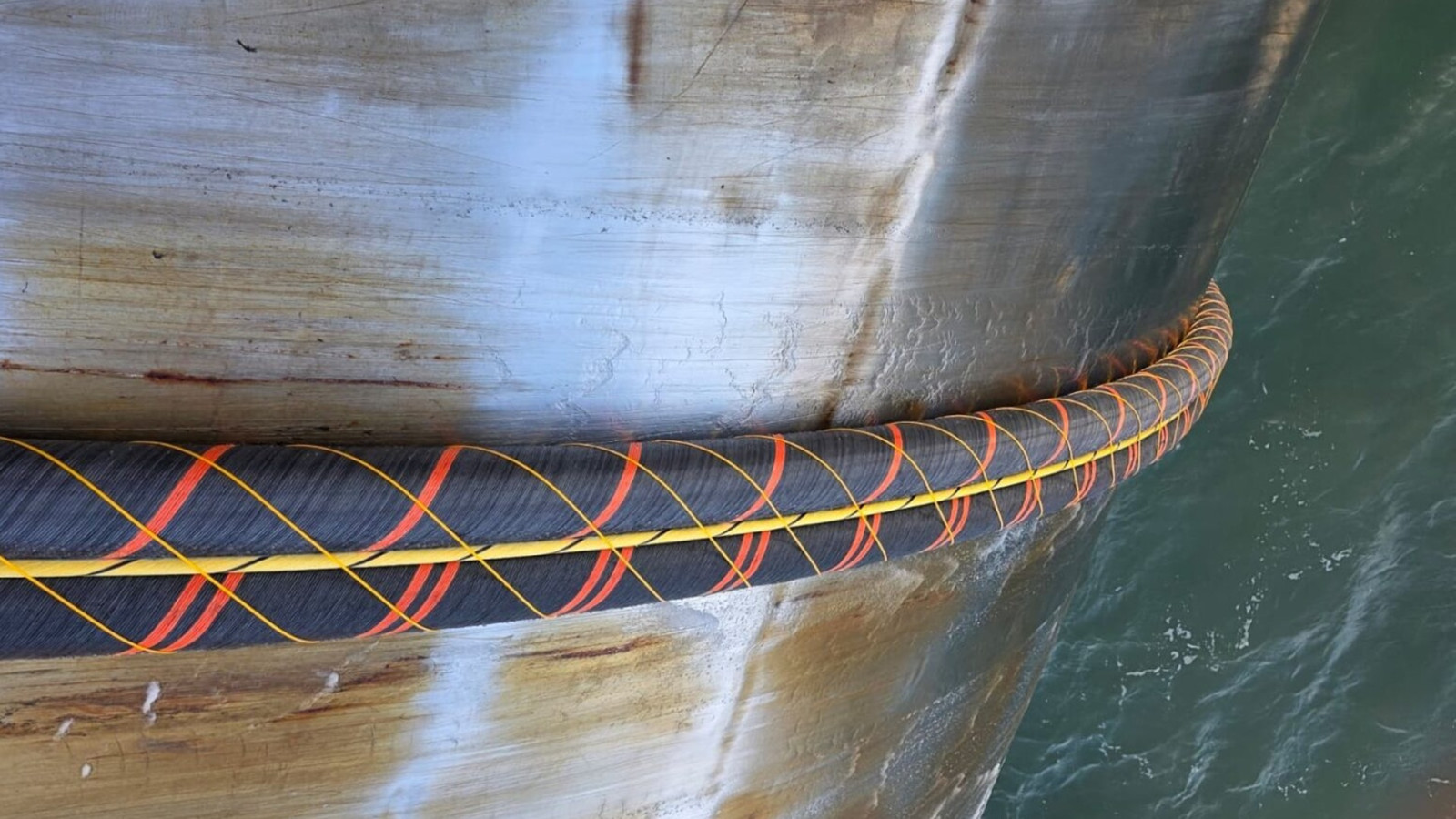
According to Offshore Wind Biz, NKT expects to complete cable production by summer to align with Jan De Nul’s timetable, which extends to 2026’s end. Synchronizing cable manufacturing with installation is crucial since delays in any stage could have a cascading impact on the project timeline.
Constructing Converter Stations Across the Globe
The Hornsea 3 project includes two offshore converter stations. The steel jacket for the first installation, measuring 54 metres in height and weighing about 3,500 tonnes, was shipped from Vlissingen, Netherlands, designed to endure the harsh North Sea environment.
The upper module of this station embarked on a remarkable journey, traveling over 13,000 nautical miles from Thailand to Norway before being transported to the installation site. This extensive voyage underscores the global scale of manufacturing that supports large offshore renewable energy ventures, a theme also explored in innovative offshore technology projects.
Heerema’s crane vessel, Sleipnir, was responsible for installing the first jacket foundation offshore, while Hitachi Energy and Aibel have provided specialized expertise in high-voltage electrical systems and marine engineering. The inaugural fully assembled offshore substation is anticipated to be ready by March 2026.
Turbine Technology, Stakeholders, and Supply Network
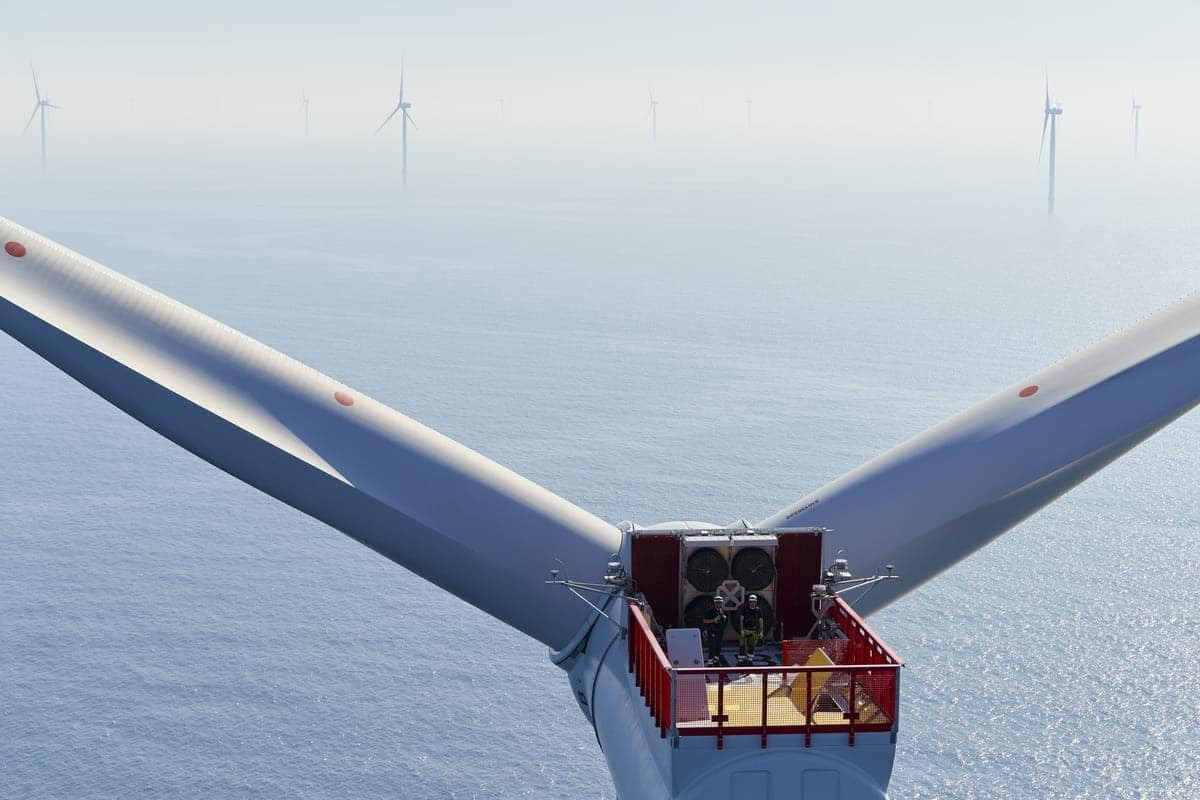
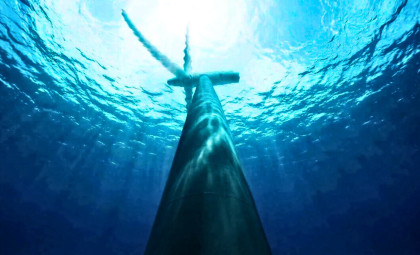
The wind turbines chosen for Hornsea 3 are Siemens Gamesa’s powerful 14-megawatt units, ranking among the strongest commercial offshore turbines currently available. Foundation monopiles have been sourced from Spain and China, with foundation installations nearing commencement as the project advances.
Ownership lies with Ørsted and Apollo-managed funds after a major deal in late 2025, when Ørsted sold half of its stake for roughly 5.2 billion euros. The project's total cost is approximately £8.5 billion, positioning it as one of the UK’s most significant energy infrastructure investments. Apollo’s involvement provided essential capital at a time when construction expenses for offshore projects were rising sharply.
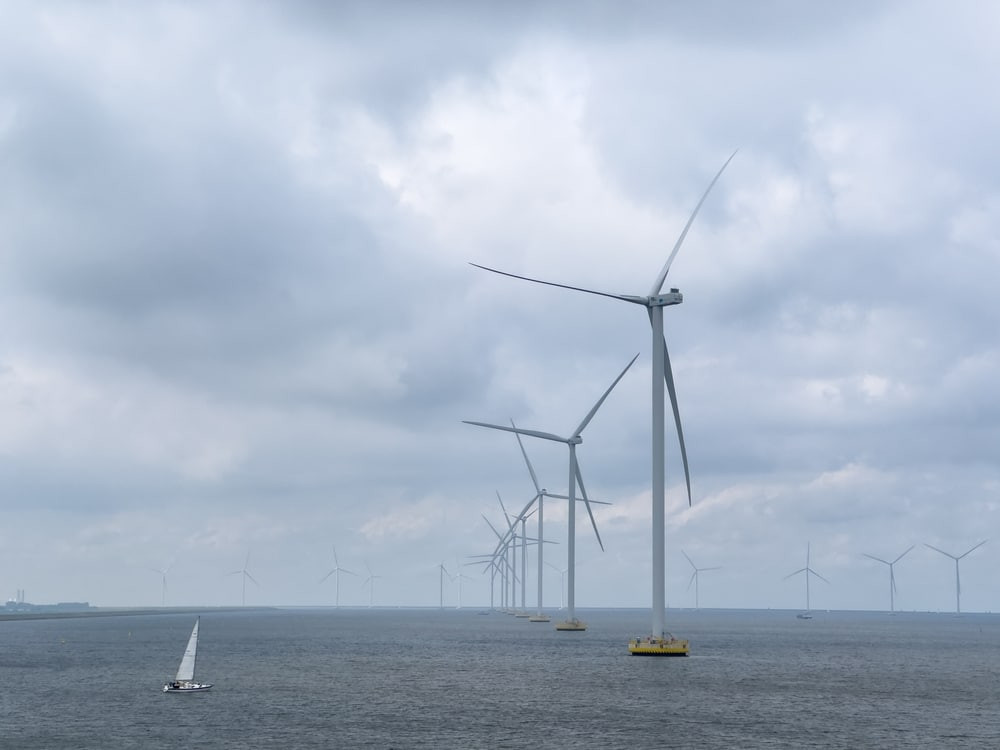
Located roughly 120 kilometres off the Yorkshire coastline, the wind farm benefits from stronger, steadier winds far offshore. Project planning and approvals began as early as 2018, reflecting nearly a decade of development before the first cable reached shore.
Comparing Hornsea 3 to Earlier Phases
Hornsea 3 represents the third major venture in Ørsted’s North Sea Hornsea region. While Hornsea 1 and Hornsea 2 offered capacities of 1.2 gigawatts and 1.3 gigawatts respectively, this latest addition exceeds the combined output of its predecessors. This rapid escalation over less than ten years exemplifies the swift growth in offshore wind economics and engineering.
According to Duncan Clark, Head of Ørsted UK and Ireland, Hornsea 3 “will play a pivotal role in meeting the UK government’s climate and clean energy goals, boosting energy sovereignty, and creating employment opportunities locally.” Clark emphasized that the farm will substantially advance the government’s target of 50 GW of offshore wind by 2030 and achieving net-zero emissions by 2050. Currently, the UK operates about 15 gigawatts of offshore wind capacity, with projects like this one working to close that gap.
Globally, Ørsted oversees more than 18 gigawatts of renewable power capacity across Europe, North America, and the Asia Pacific, with the Hornsea cluster remaining integral to its UK portfolio.
Workforce, Operations Hub, and Project Timeline
Construction activities for Hornsea 3 are expected to generate up to 5,000 jobs, transitioning to about 1,200 permanent positions after the farm becomes operational. Project management will be based in Grimsby, a key center for North Sea offshore wind developments with substantial supporting infrastructure.
Following the cable’s successful landing and the installation of the first substation, efforts will focus on foundation setup, followed by turbine deployment once foundations are established. As detailed by Interesting Engineering, cable manufacturing by NKT is on course for completion this summer, ensuring the supply chain remains on schedule. Hornsea 3 is expected to be fully operational by the end of 2027.
- Categories:
- News









0 comments
Sign in to Comment