
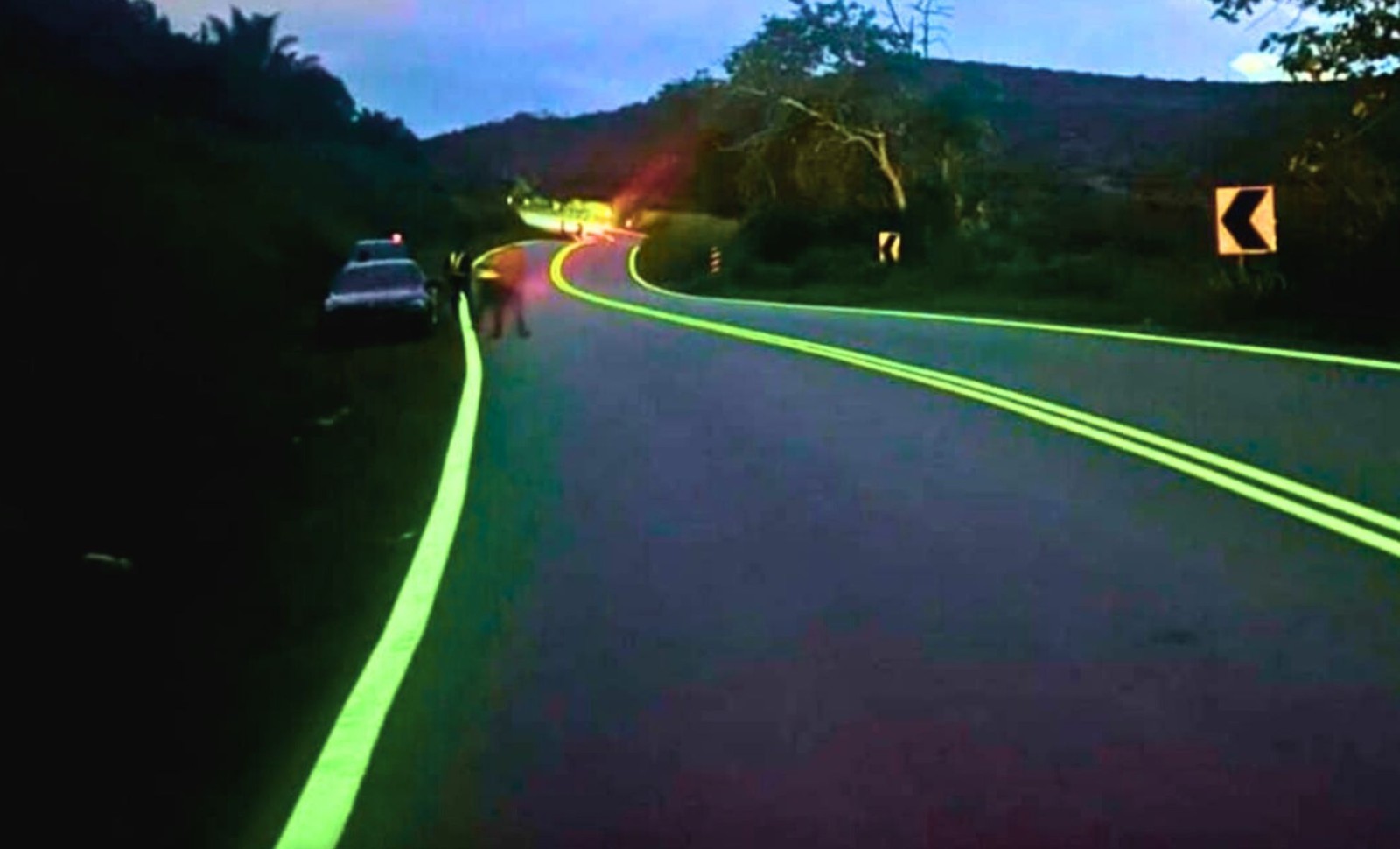
In late 2023, a stretch of road near Semenyih, Malaysia, surprised drivers by glowing—not from streetlights but thanks to a unique photoluminescent paint that stores daylight and emits a gentle glow throughout the night. This energy-free solution aimed to enhance road safety without any wiring or electricity.
Malaysia’s rural roads, often lacking adequate lighting, pose significant dangers at night and in adverse weather, contributing to the nation’s annual toll of over 6,000 road fatalities. The glow-in-the-dark road markings introduced by Malaysia’s Public Works Department (JKR) quickly caught public attention and sparked enthusiasm online for the enhanced nighttime visibility they provided.
Social media hubs showcased vivid photos praising the bright lines that stood out especially well during rain and fog, conditions where conventional paint tends to vanish. One Instagram user humorously noted, “Malaysian roads will look really lit—no pun intended.”

However, a year on, the initiative lost momentum. In November 2024, Deputy Works Minister Ahmad Maslan revealed that expanding the effort would be halted due to financial and durability concerns.
High Visibility Comes with High Costs
Initially, the photoluminescent paint’s ability to glow up to 10 hours post-sunset seemed ideal for areas lacking street lighting, offering an electricity-free alternative. Yet, the price tag quickly became apparent; the specialized paint retailed at RM749 per square meter, nearly 20 times the RM40 per square meter cost of standard road paint, as reported by Paul Tan’s Automotive News. This excludes ongoing maintenance expenses, raising questions about economic feasibility.
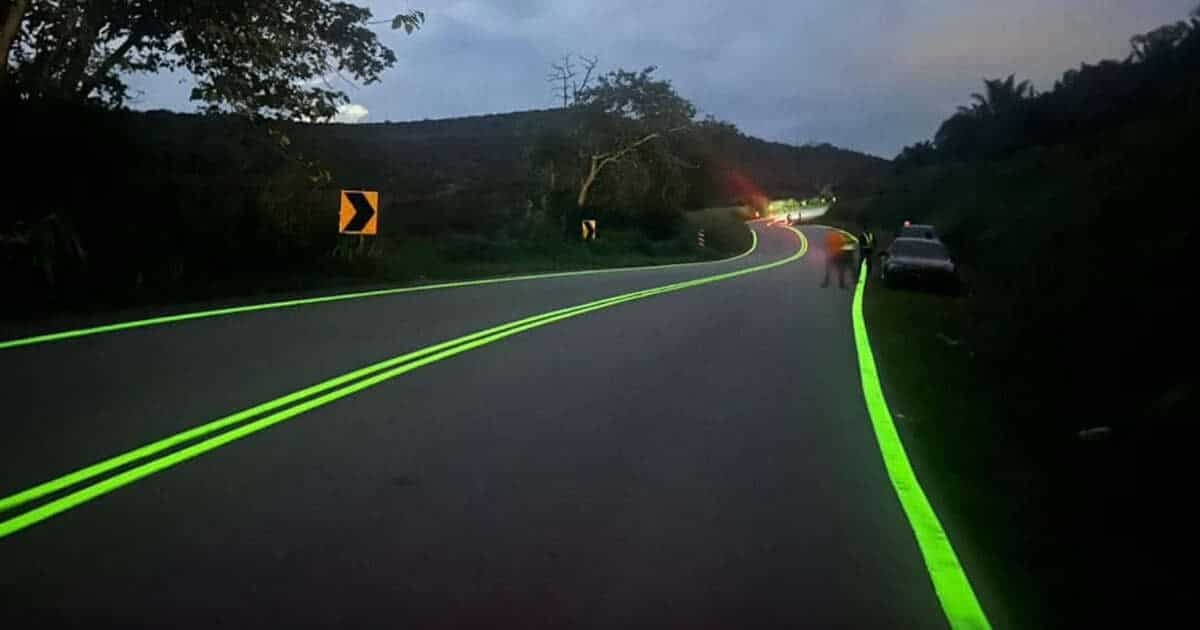
Originally targeted for rollout on 15 roads in Selangor and 31 pilot roads in Johor, including key areas like Petaling, Sepang, and Batu Pahat, the plan was ultimately scrapped after evaluation.
Minister Maslan explained to Parliament that the tests failed to meet ministry standards, with Malaysia’s hot and humid climate especially challenging the paint’s durability.
Innovative Concept Struggles with Tropical Conditions
Similar photoluminescent coatings have been trialed elsewhere—in the Netherlands on bike lanes and in Japan on highways—typically in milder climates and on smaller scales. Malaysia’s project was ambitious, seeking to implement the technology widely on rural roads where electricity is scarce and safety concerns are acute.
Works Minister Alexander Nanta Linggi, during his on-site visit in Selangor, noted the paint’s effectiveness, especially under foggy and rainy conditions, making lane-keeping easier for drivers.
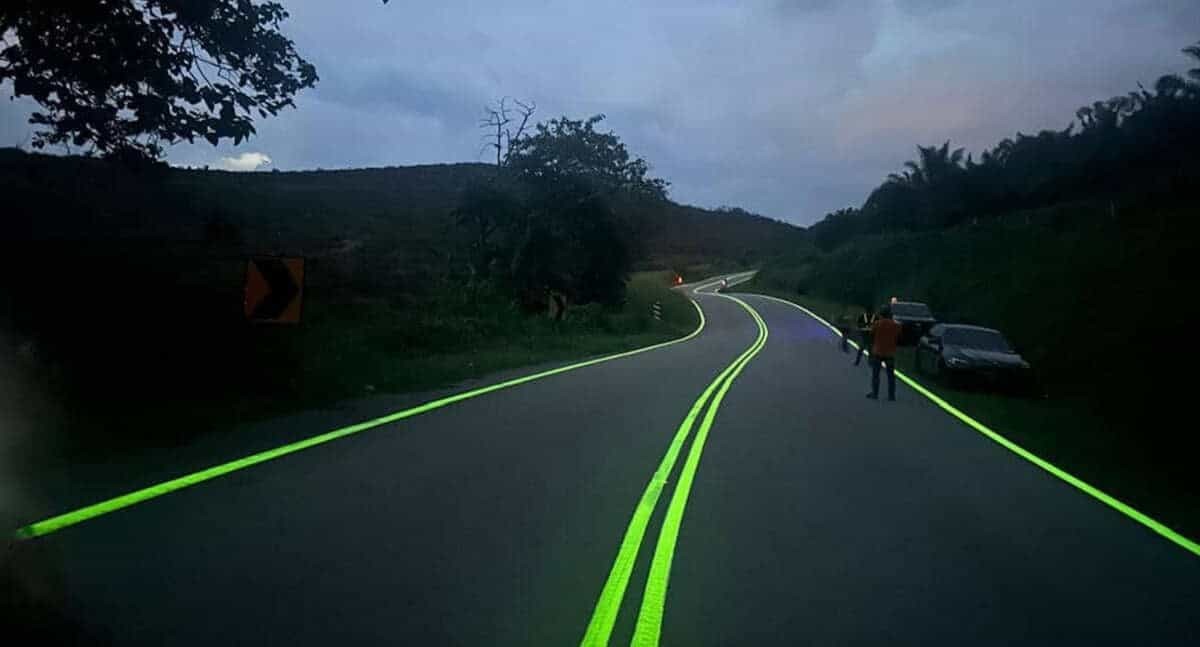
However, experts at the Malaysian Institute of Road Safety Research (MIROS) raised alarms about the longevity of the coatings under Malaysia’s wet tropical weather. Studies documented in the International Journal of Pavement Research and Technology demonstrate that similar materials degrade quickly in humid climates, sometimes requiring fresh applications in less than two years.
The costs of such frequent maintenance weigh heavily on the practicality of continued use.
Public Enthusiasm Fades Amid Other Road Safety Concerns
Initially, many Malaysians embraced the glowing roads as a futuristic and effective safety enhancement that required no power. Yet, over time, attention shifted to more immediate and unresolved infrastructure issues.
On social media platforms such as Facebook and X (formerly Twitter), users voiced frustrations about persistent problems like potholes, worn road markings, ambiguous signage, and uneven road surfaces—all fundamental hazards often overlooked.

One Facebook commenter quoted by The Straits Times pointed out, “Ask your officers to drive during rain or at night—you’ll see the poor visibility, potholes, and uneven roads. That’s what causes accidents.”
While the glowing paint was innovative, for many it seemed like an extravagant measure when basic road maintenance remained inadequate.
A Promising Concept Still Needing Refinement
Ultimately, Malaysia’s glowing road project demonstrated potential. It enhanced night visibility and offered a glimpse into energy-saving infrastructure innovations. However, issues with price and weather resilience mean it’s not yet ready for widespread adoption.
Researchers at Delft University of Technology and Japan’s National Institute for Land and Infrastructure Management continue to refine photoluminescent materials, aiming for more durable and affordable products capable of withstanding harsh environments. If successful, Malaysia might reconsider the approach in the future.
For the time being, both public sentiment and officials agree that focusing on fundamental road conditions—visible markings, consistent surfaces, and safe roadways especially in wet conditions—must come first before turning to cutting-edge fixes.
- Categories:
- News










0 comments
Sign in to Comment