
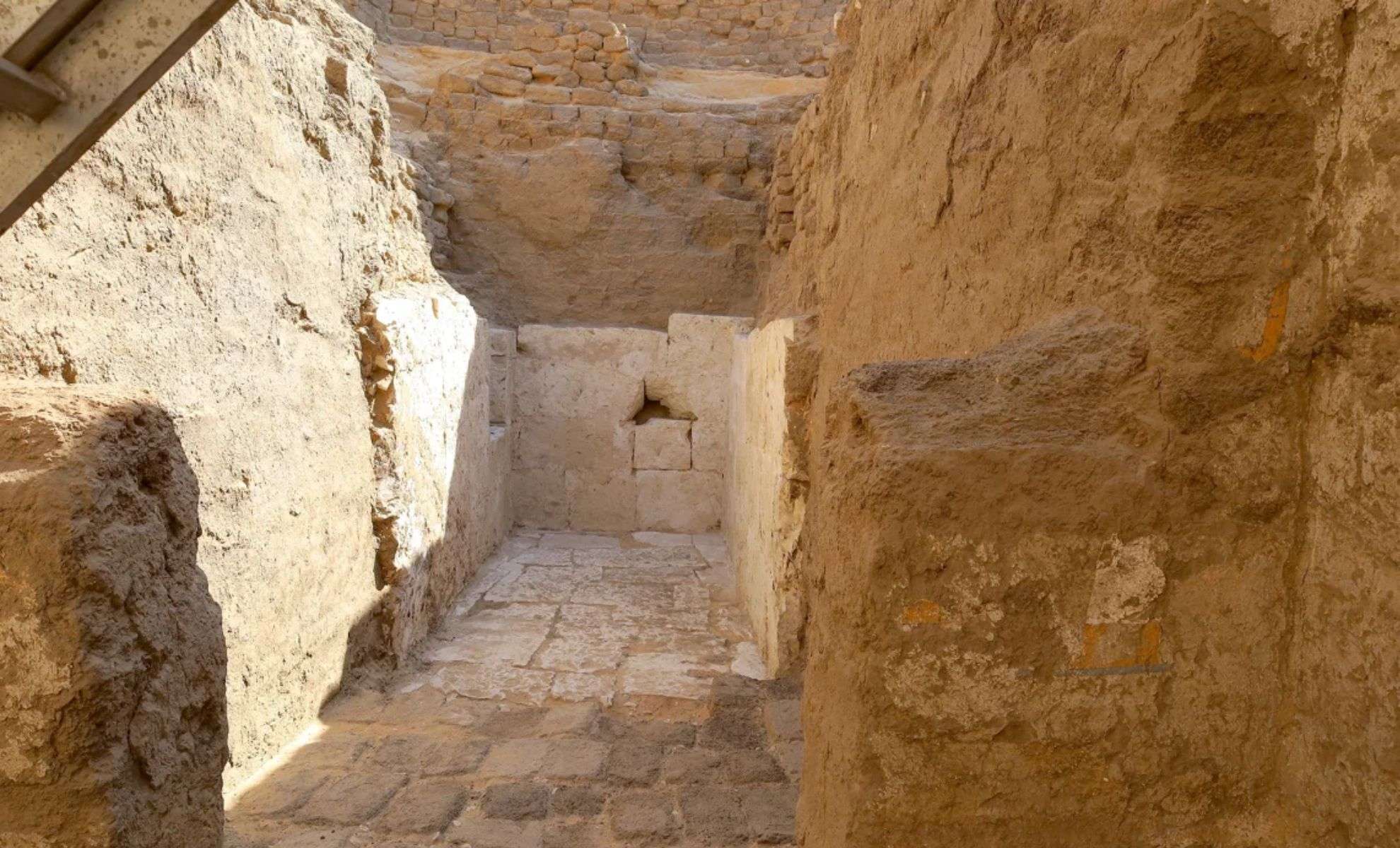
Archaeologists have uncovered a colossal sarcophagus dating back over 3,600 years in Egypt, offering new clues about a mysterious era known as the Second Intermediate Period. Despite the grand scale of the find, the identity of the monarch interred inside remains unknown.
The discovery was revealed by the Penn Museum of the University of Pennsylvania following an excavation in January led by Egyptologist Josef Wegner. Recent reports released in late March emphasized the significance of this tomb and its potential to transform our understanding of Egypt's royal lineage.
Unveiling the Royal Tomb and Its Enormous Sarcophagus
Details from the Penn Museum indicate that the sarcophagus, discovered roughly 23 feet beneath the surface at the sacred site of Anubis Mountain in Abydos, represents the largest burial artifact found from the so-called Abydos Dynasty. The tomb’s complex structure, adorned with vibrant depictions of the goddesses Isis and Nephthys and a richly decorated entrance, shows evidence of ancient tomb robbers who obliterated the royal inscriptions, erasing the deceased ruler’s name and leaving researchers without definitive identification.

In contrast to other excavated royal tombs, no human bones were found within this chamber, deepening the enigma. Scholars hypothesize the burial might belong to either King Senaiib or King Paentjeni, figures only known from scarce and fragmented historical mentions. Alternatively, the sarcophagus could be linked to an as-yet-unknown ruler, which fits with the dynasty's elusive historical footprint.
Deciphering the Abydos Dynasty
Egyptologist Kim Ryholt introduced the concept of the Abydos Dynasty in 1997, positing that it ruled over Upper Egypt during a turbulent period between 1640 and 1540 BC. For many years, conventional history sidelined this dynasty, portraying Egyptian history as more unified under later pharaohs.
This dynasty’s existence gained archaeological validation only in the last decade with the discovery of King Seneb-Kay’s tomb. Until now, Seneb-Kay was the only Abydos ruler whose name was identified from the burial site. The impressive scale and location of this newly found tomb suggest it may belong to an earlier member of the dynasty, possibly one of its founding kings.
Abydos: A Sacred Royal Cemetery
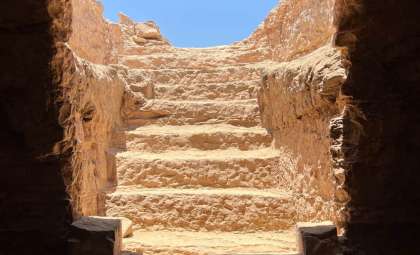
Renowned as the legendary burial place of Osiris, Abydos was a prominent necropolis for ancient Egyptian royalty. Across centuries and dynasties, kings were interred beneath its distinctive pyramid-shaped mountain, creating a vast "city of the dead."
The newly uncovered tomb contributes compelling evidence that Abydos served as a centralized royal burial site during the Second Intermediate Period. Salima Ikram, a professor of Egyptology at the American University in Cairo, emphasized that the sarcophagus discovery reveals important details about royal tomb design, funerary traditions, and the hierarchy of rulers in this obscure era.
Re-examining Ancient Egyptian Historical Narratives
One notable feature of the Abydos kings is their omission from the official king lists of ancient Egypt. "The discovery of these monuments highlights the shortcomings of the traditional, linear historical accounts — which were constructed less for historical accuracy, and more to legitimize later rulers who reunited the country," commented Laurel Bestock, an Egyptologist at Brown University.
Bestock pointed out that such findings expose the inherent biases in historical recordings. This newly found tomb challenges prevailing narratives, illustrating that Egypt's past was far more fragmented and intricate than previously understood. Each newly discovered relic enriches the context absent from official chronicles.
The Future of Abydos Archaeological Research
Scientists intend to survey an area exceeding 100,000 square feet of the desert around Abydos using technologies such as ground-penetrating radar and magnetometry to uncover hidden structures beneath the sands. Wegner projects that as many as 12 to 15 kings could still be entombed in this historically rich region, awaiting rediscovery.
This remarkable find underscores archaeology's unpredictable nature: as investigations continue in the sands of Abydos, the concealed dynasties of Egypt gradually come to light. Whether or not this tomb’s occupant is ever formally identified, it already marks a crucial breakthrough in deciphering one of Egypt’s least understood periods.
- Categories:
- News




0 comments
Sign in to Comment