
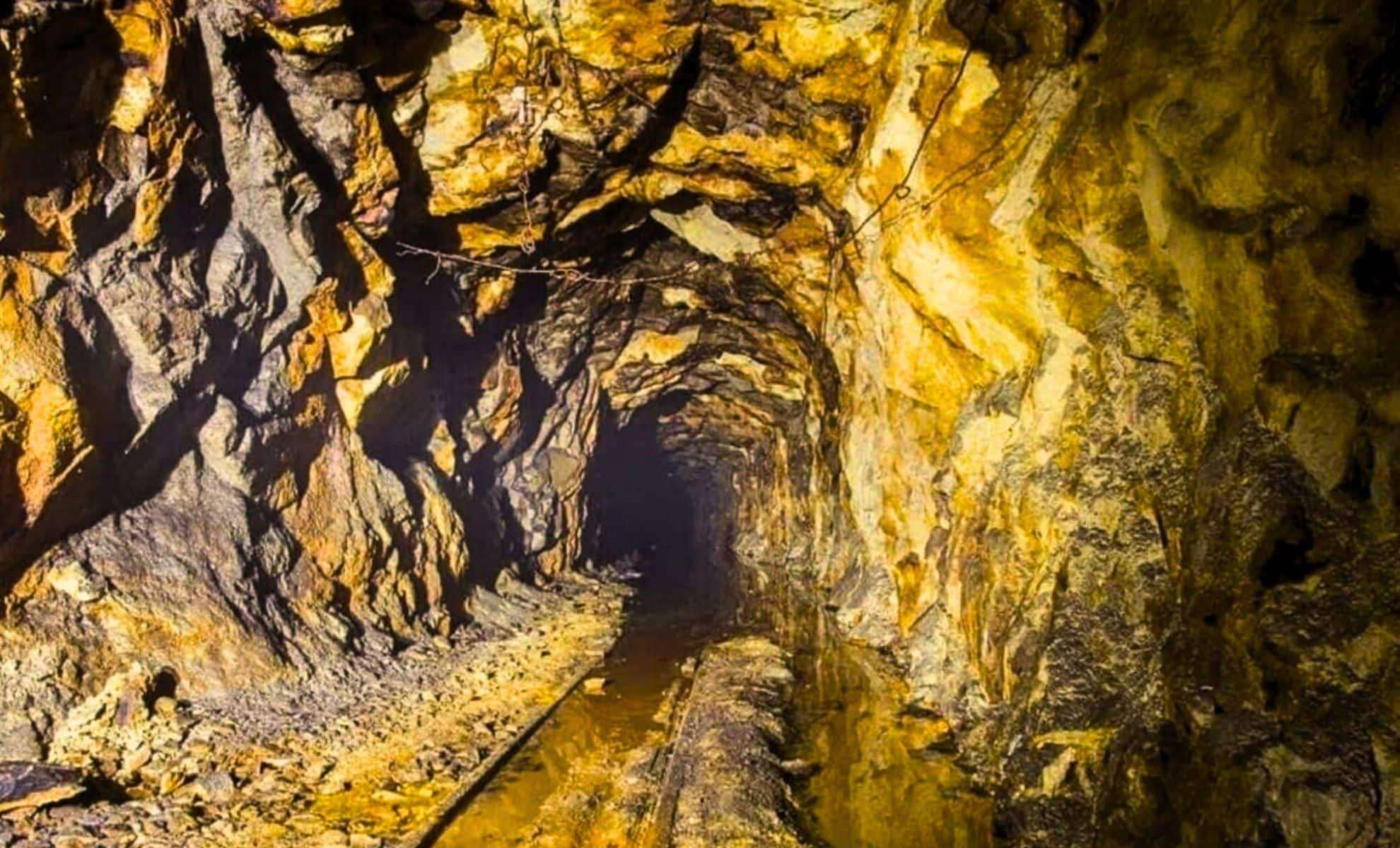
Deep beneath the rolling terrain of Pingjiang County in China’s Hunan Province, geologists have identified one of the world’s most substantial gold reserves. Hidden over two kilometers below the surface, the deposit is estimated by the Hunan Geological Bureau to contain more than 1,000 metric tons of gold, with an approximate value of €78 billion, equivalent to nearly 600 billion yuan.
This remarkable discovery signals a new phase in China's natural resource exploration, blending innovative detection technology with the allure of vast mineral riches. The findings are already generating significant excitement both domestically and internationally. Central to this breakthrough is the Wangu gold field, now hailed as one of the planet’s most lucrative unexplored gold veins.
Exceptional Gold Veins and High Concentration
Geologists have uncovered more than 40 distinct gold veins extending through bedrock, some reaching depths of up to 3,000 meters. Early exploratory drilling around 2,000 meters depth yielded approximately 300 tons of gold, but subsequent deeper drills revealed richer layers. Certain ore samples boasted gold concentrations as high as 138 grams per metric ton, a rarity in contemporary mining operations.

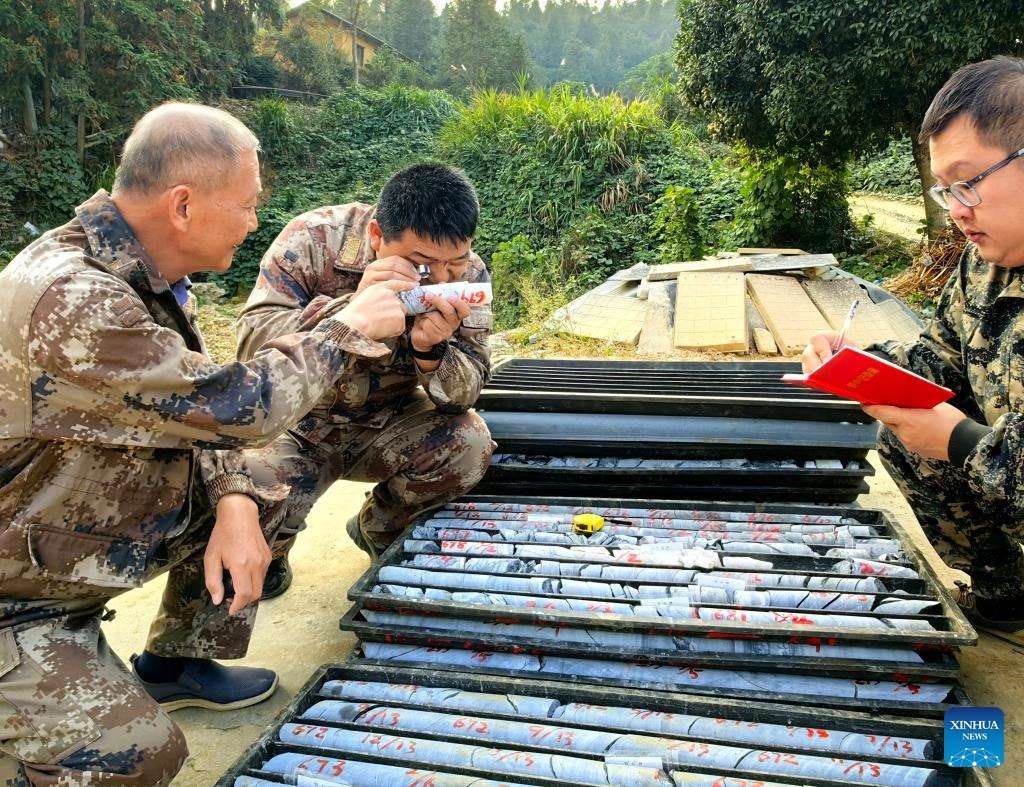
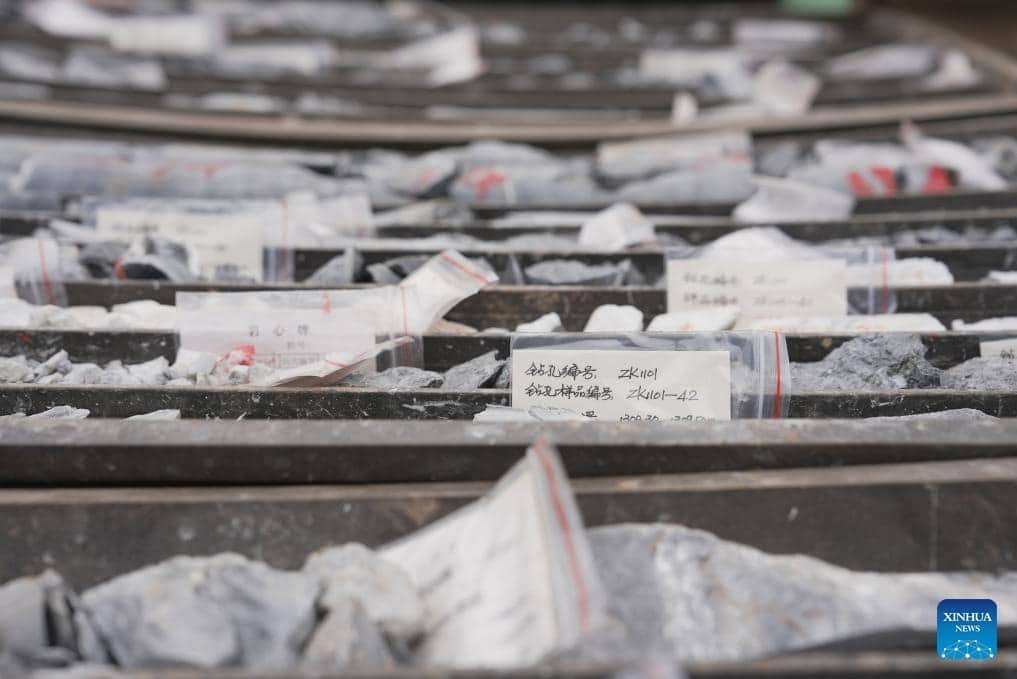
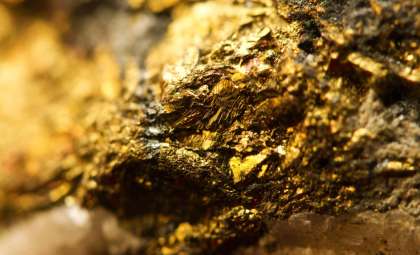
Chen Rulin, an ore exploration expert with the bureau, noted that numerous extracted rock cores contained visible gold. The observable presence of gold crystals inside the rock, typically limited to much smaller high-grade samples, highlights the site’s extraordinary mineral wealth. Industry analysts are already likening the Wangu deposit to top gold mines worldwide.
Innovative Techniques Fuel Discovery
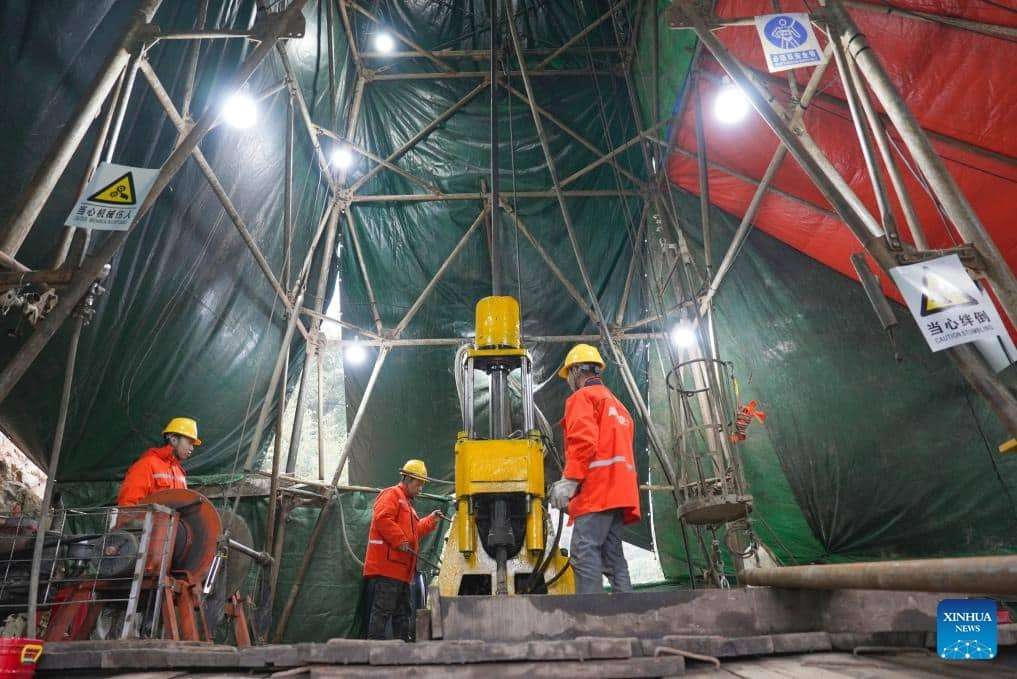
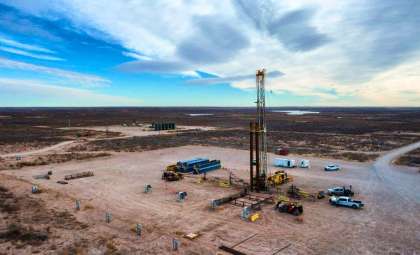
The revelation of the Wangu deposit stems not only from geological fortune but also from state-of-the-art survey technologies, including advanced 3D geological modeling. These methods have enabled researchers to accurately map subsurface formations and direct drilling equipment to zones rich in gold with unmatched precision.
Liu Yongjun, deputy director of the bureau, shared that ongoing drilling around the deposit’s outskirts has uncovered more gold veins. “Additional gold has been detected in peripheral drill sites,” he explained, hinting at the potential for the deposit’s expansion through continued exploration.
Central China’s Emerging Mining Hub
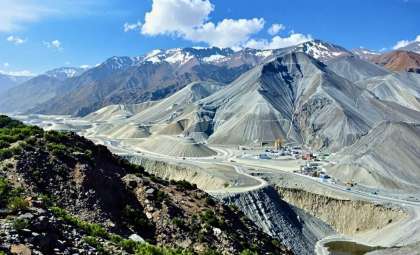
The economic implications of this discovery are substantial. With a deposit this vast, Hunan Province is poised to become a key contender in China’s gold production landscape. Development of the Wangu site could attract significant investment, not only for mining operations but also for upgrading regional infrastructure such as transportation and energy systems essential to support the mine.
Technicians from the Hunan Province Geological Disaster Survey and Monitoring Institute are currently evaluating extracted rock samples as preparations begin for scaling up extraction. Although official timelines for commercial mining remain undisclosed, authorities emphasize the deposit’s high priority for future resource development.
Heightened Environmental Oversight
The scale and depth of this gold extraction raise significant environmental concerns. Mining activities on this magnitude pose risks like potential land subsidence, water pollution, and increased carbon emissions. Hunan officials have pledged to maintain stringent environmental regulations throughout the project.
Experts highlight that how the Wangu site is managed might set an important example for reconciling economic growth with sustainable environmental practices. While the deposit’s size has captured global attention, its responsible development is equally critical.
- Categories:
- News




0 comments
Sign in to Comment