
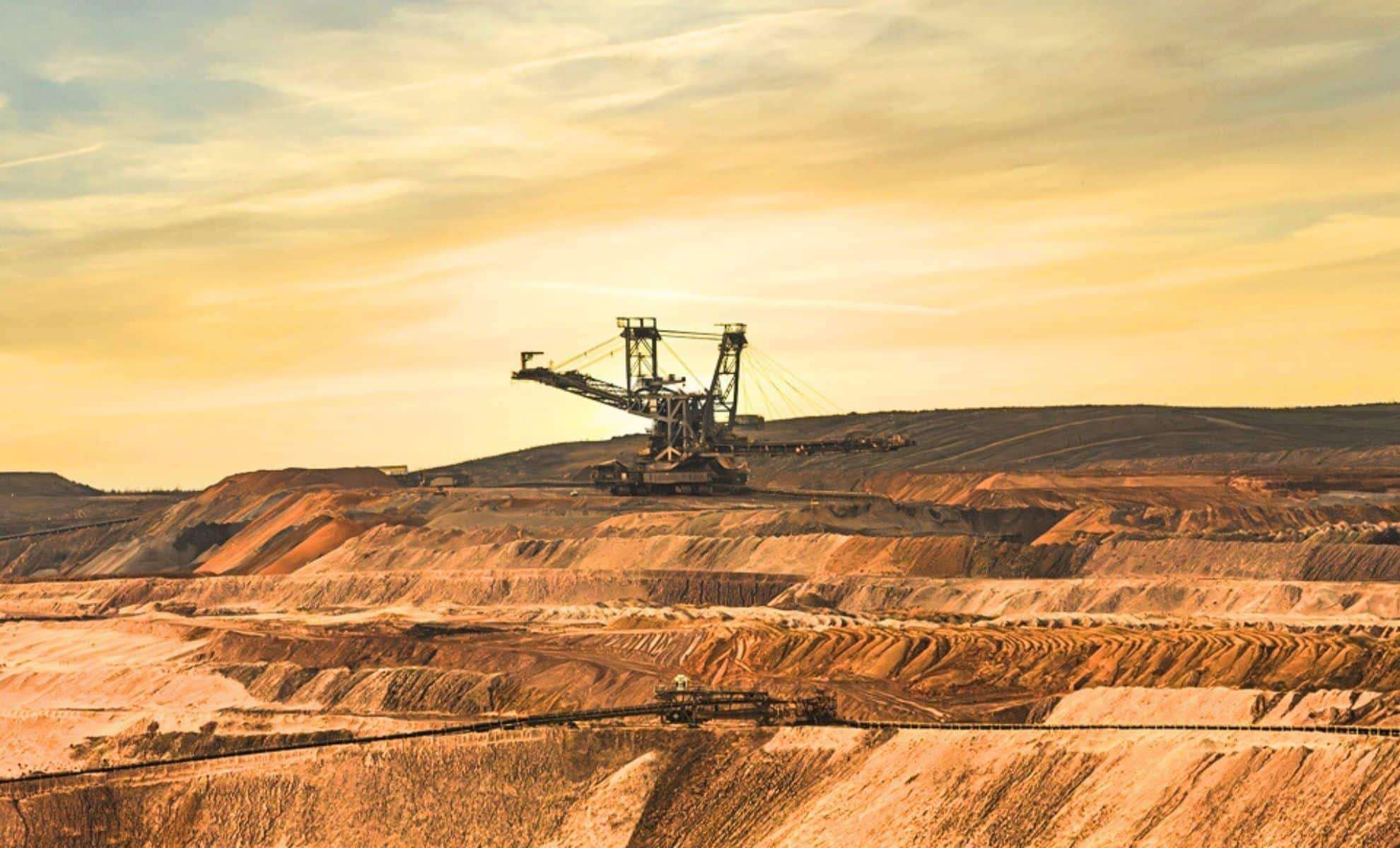
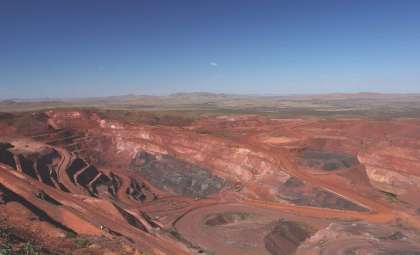
A monumental iron ore reserve uncovered in Western Australia’s Hamersley area has astonished geologists, not only due to its enormous size but also for the insights it provides into the ancient tectonic activities of our planet.
Containing approximately 55 billion metric tons of premium-quality ore, this deposit is valued at over $5.7 trillion USD, positioning it as the most extensive single iron ore source ever documented. This discovery is significant both for Australia’s standing in the iron export market and for revising scientific perspectives on the formation of Earth’s richest mineral deposits.
Documented in a recent study published in the Proceedings of the National Academy of Sciences (PNAS), the origin of this iron deposit is linked to monumental tectonic shifts linked to the breakup of the Columbia supercontinent around 1.4 billion years ago. This discovery pushes back the timeline of such mineral formations by nearly a billion years.

Revising the Timeline of Earth’s Mineral Formation
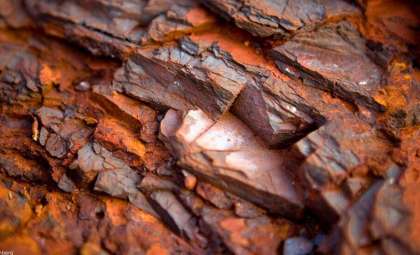
Historically, the formation of Earth’s richest banded iron formations (BIFs) — dense layers composed mainly of hematite and magnetite — was associated with the Great Oxidation Event approximately 2.2 to 2.0 billion years ago, through gradual atmospheric oxygen increase.
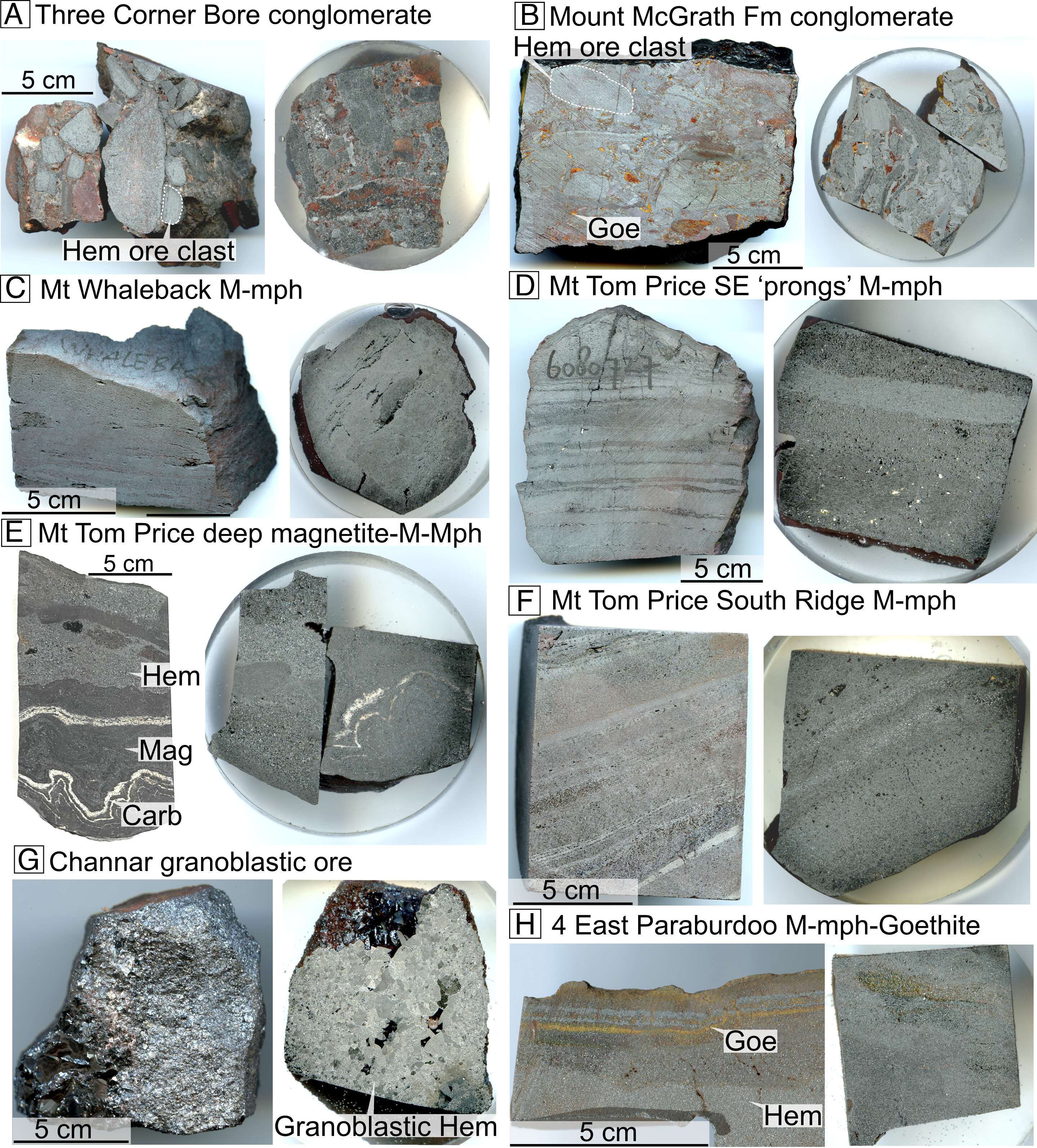
However, new Uranium–Lead dating techniques applied to iron oxides by researchers from the University of Colorado and the University of Western Australia demonstrate that the principal iron deposition happened between 1.4 and 1.1 billion years ago. Lead researcher Liam Courtney-Davies explains that this pushes the formation period much later than previously thought.
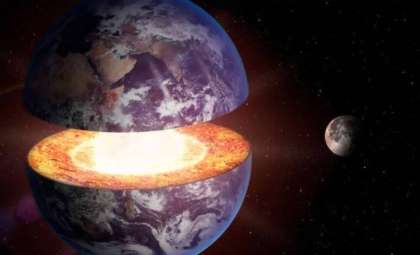
The team suggests that tectonic plate interactions during the reassembly of supercontinents triggered intense hydrothermal activity, pumping iron-rich fluids into marine basins and fostering rapid ore concentration.
"Rather than a prolonged process, this was a swift, tectonically triggered mineral surge linked to significant crustal restructuring," stated Courtney-Davies.
Linking Supercontinent Activity and Hydrothermal Processes to Iron Concentration
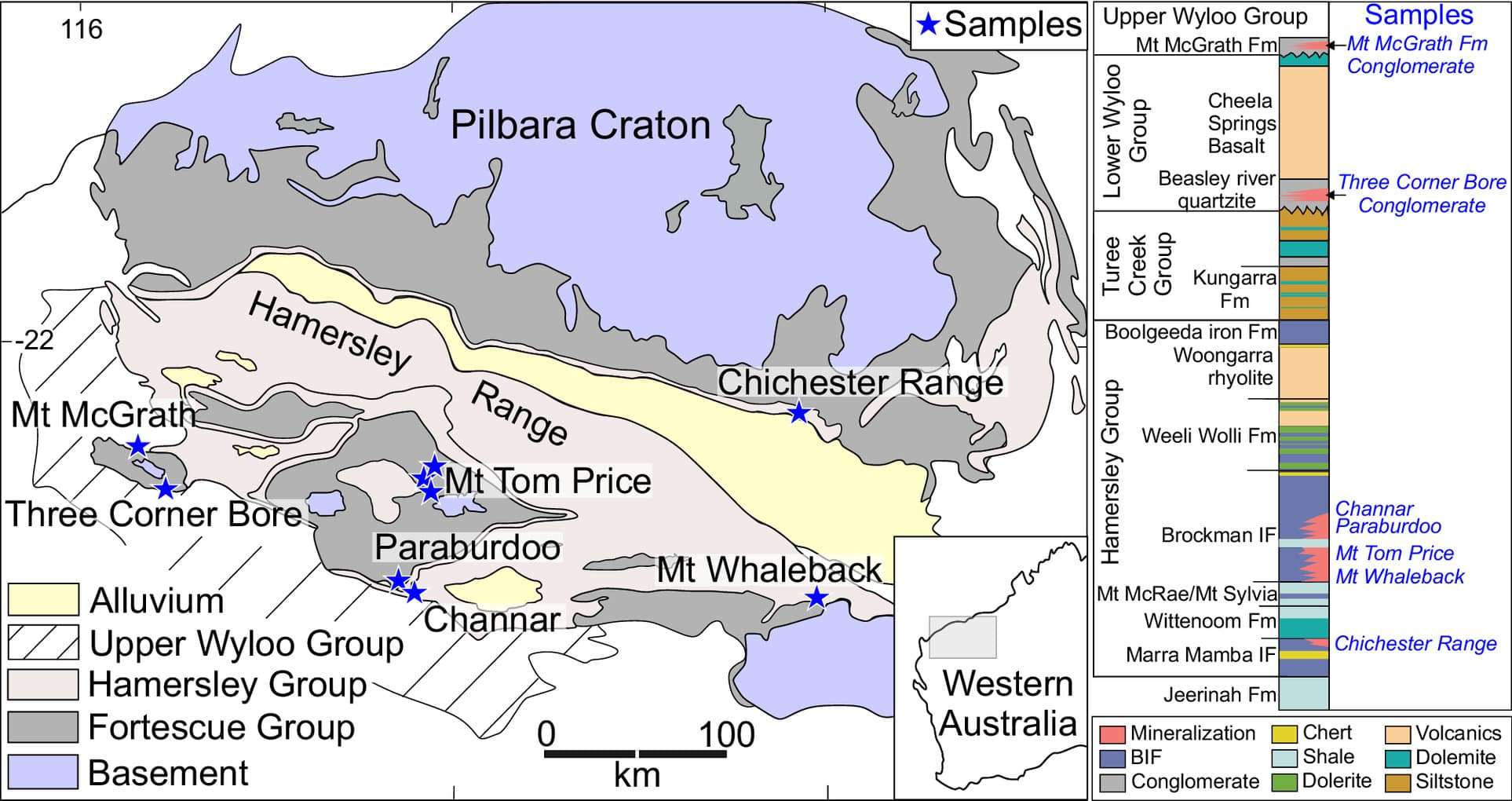
The iron deposit lies within the geologically stable Pilbara Craton, renowned for its mineral riches. Uniquely, this ore boasts an iron concentration exceeding 60% today, enhanced from the original roughly 30% levels.
Osmium isotope studies link this enhancement to ancient atmospheric and oceanic shifts, which purified the ore through intricate geochemical interactions, possibly intensified by strong volcanic activity, imprinting a distinct geochemical signature in the iron-rich rock formations.
The research establishes a rare, direct correlation between the deposit’s formation and global tectonic dynamics, specifically during the fragmentation of the Columbia supercontinent. This suggests that examining continental assembly and breakup cycles is crucial for locating analogous mineral deposits worldwide.
Impact on Economy and Future Mineral Prospecting
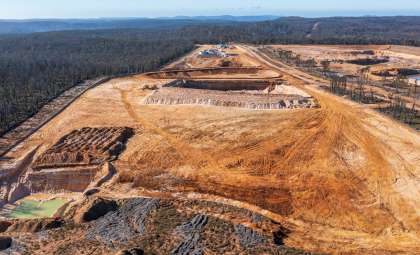
With iron ore prices hovering around $105 per metric ton, this discovery solidifies Australia’s capacity as a premier iron supplier, vital for steel production and infrastructure development globally. Key mining corporations like BHP, Fortescue Metals, and Rio Tinto are anticipated to elevate their operations based on this new information.
Furthermore, this breakthrough offers a groundbreaking tectonic framework that could direct exploration efforts toward similar high-grade ore deposits in other stable cratons and ancient tectonic zones, including regions in Canada, Brazil, and Southern Africa.
Professor Marco Fiorentini, co-author of the study, emphasizes the broad implications: “Understanding the connection between supercontinent cycles and resource abundance ushers in a new era of targeted mineral discovery.”
- Categories:
- News




0 comments
Sign in to Comment