
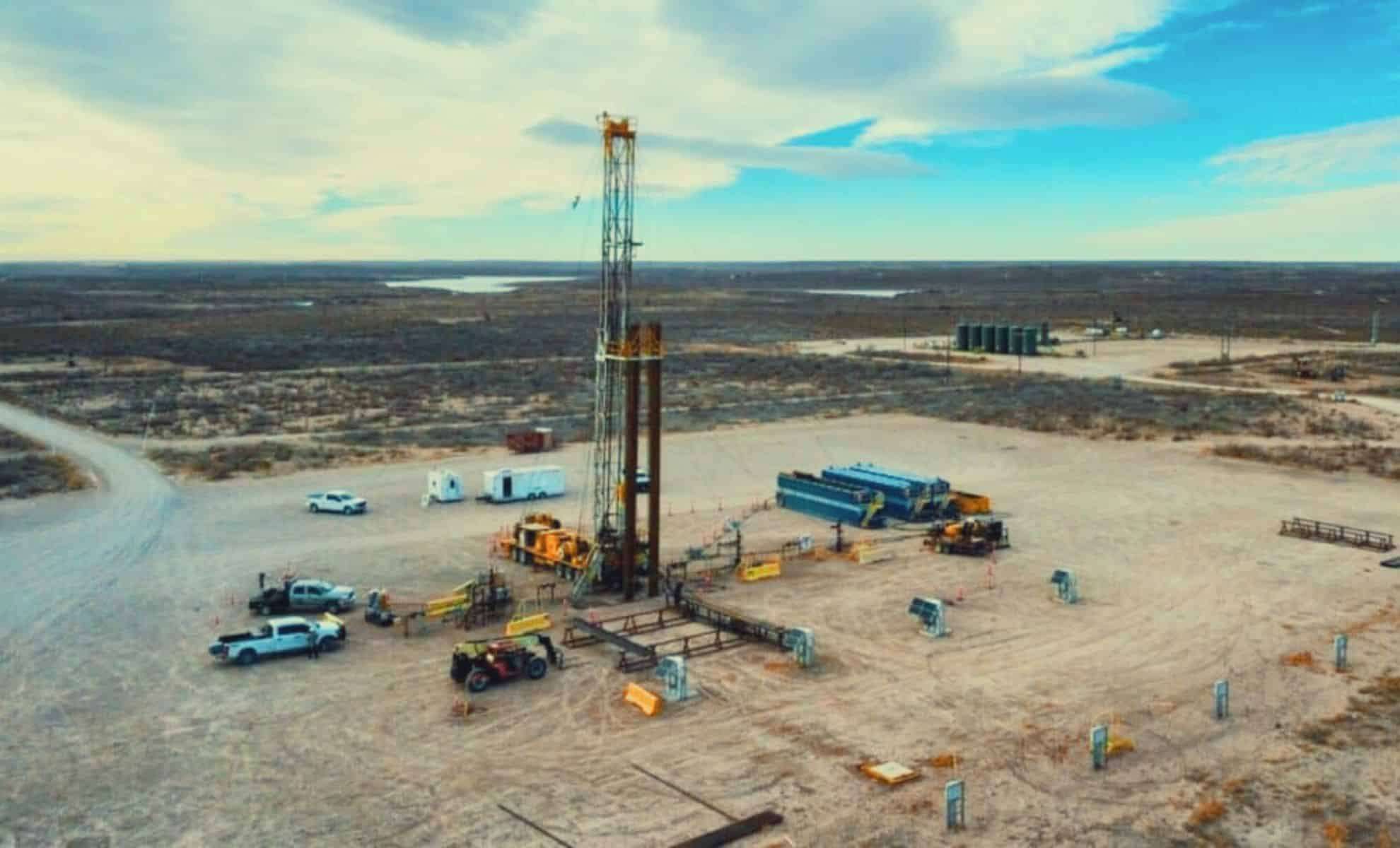
Scientists in France have identified a potentially vast natural hydrogen reserve beneath the Lorraine region in the northeast. This groundbreaking discovery, quietly reported in 2023 by the GeoRessources Laboratory and the French National Centre for Scientific Research (CNRS), has sparked global interest for its promise in revolutionizing clean energy resources.
Located under Folschviller, a site with a coal mining legacy near the German border, the reservoir contains an estimated 46 million tons of naturally occurring white hydrogen. To put this in perspective, this amount surpasses half of the world’s yearly production of gray hydrogen, as reported by the International Energy Agency (IEA). Unlike gray hydrogen, which derives from fossil fuels, white hydrogen forms naturally underground and can be extracted without emitting carbon.
A Hidden Underground Hydrogen Generator in a Former Mining Site
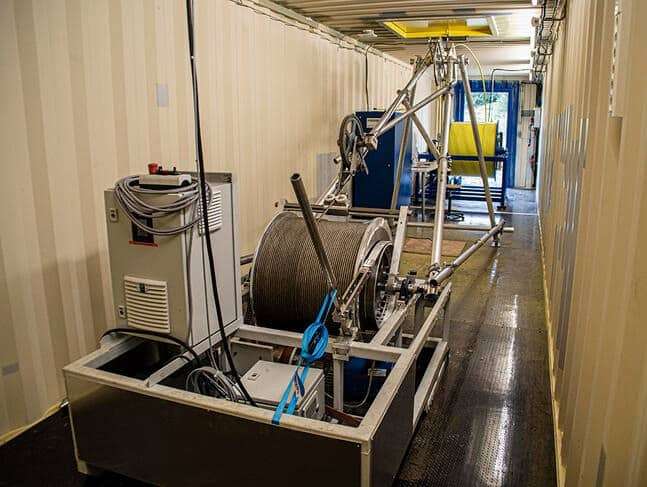
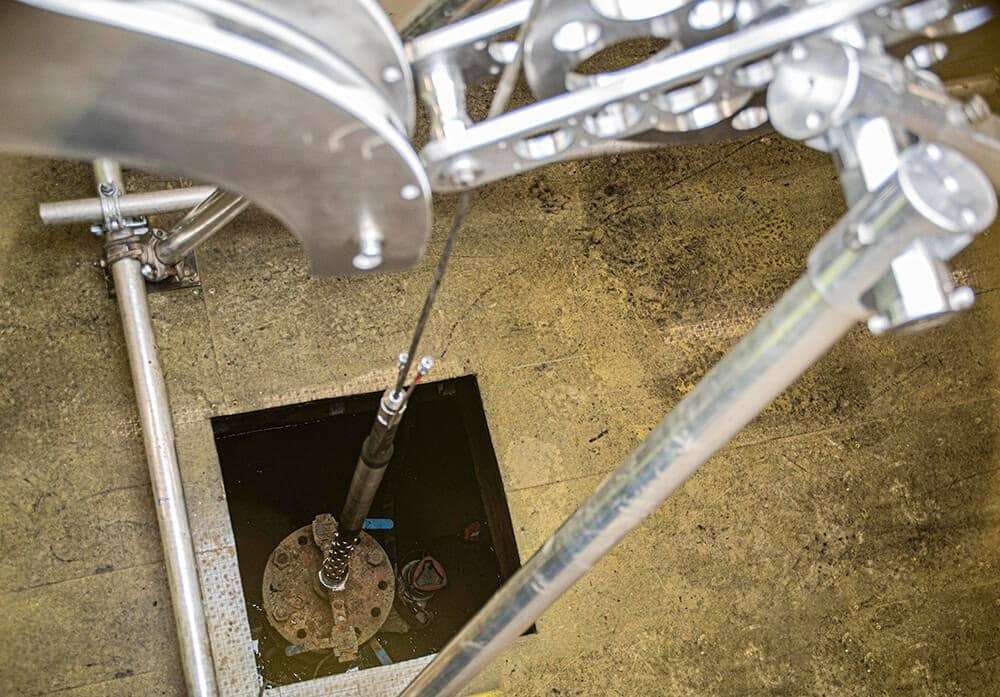
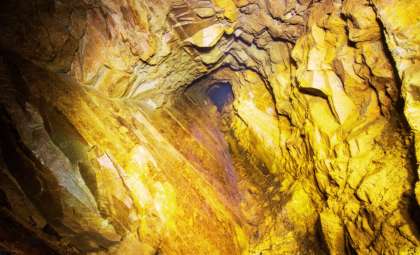
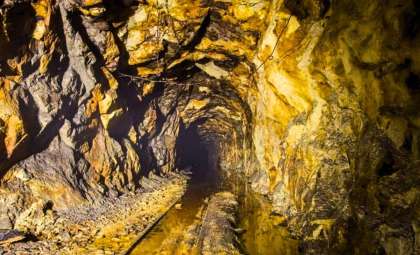
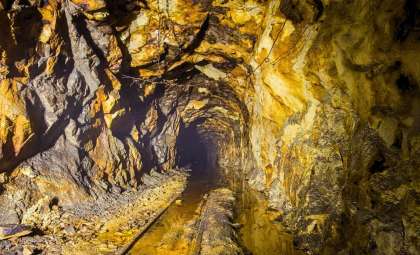
The finding was almost serendipitous. Researchers were verifying old methane level estimates from a 2012 IFP Energies Nouvelles study, as part of the REGALOR project with La Française de l’Énergie. Using SysMoG™, an advanced probe patented in 2023, scientists analyzed gas at diverse depths inside a defunct mining shaft.

While hydrogen was barely measurable at 200 meters underground, concentrations soared above 15% at 1,100 meters, said project leads Jacques Pironon and Philippe de Donato. Pironon remarked to CNRS News, “It became clear we were observing a continuous, natural source of hydrogen created by geological activity still largely unknown to us.”
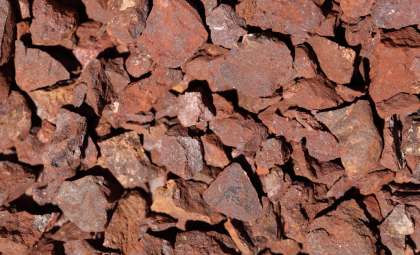
But how does this hydrogen form? It’s a result of iron-rich minerals like siderite and ankerite interacting with deep underground water in a redox reaction that splits water molecules into hydrogen and oxygen. Lorraine’s unique geological makeup, rich in these minerals, acts as a natural hydrogen-producing reactor over long periods.
Preliminary models indicate that even deeper layers, possibly around 3,000 meters, could contain hydrogen concentrations as high as 90% purity, though drilling is needed to confirm this.
White Hydrogen: A Clean Energy Game-Changer
Natural or white hydrogen is distinct from green and blue hydrogen. While green hydrogen is created through renewable-powered electrolysis, it remains energy-intensive and expensive. Blue hydrogen relies on fossil fuels combined with carbon capture and storage (CCS), a process still debated in environmental circles.
White hydrogen offers a streamlined alternative. “It’s present underground and accessible without the need for electrolysis or fossil fuel use,” said de Donato. Extracting it requires far less infrastructure and energy, leading to a much smaller carbon footprint compared to even green hydrogen.
However, extracting white hydrogen isn’t straightforward. Its geological dynamics, including how it sustains or renews itself, and its environmental consequences, remain poorly understood. Concerns exist about whether commercial extraction might exceed natural replenishment rates.
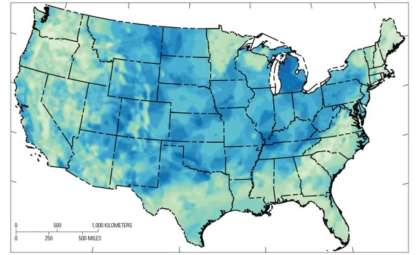
Nevertheless, this breakthrough opens a new chapter in hydrogen research. Teams are now investigating similar formations across Europe and North America, seeking other natural hydrogen sources. A recent Nature Geoscience review suggests that natural hydrogen may be far more common, particularly in cratonic regions with ancient ultramafic rock formations.
A Strategic Boost for France and Europe’s Future
For France, the discovery is exceptionally timely. The Lorraine basin, historically known for coal and steel, may transform into a center for clean hydrogen development. It already connects to the mosaHYc hydrogen pipeline initiative aimed at linking France, Germany, and Luxembourg by 2026. Should the Folschviller deposit prove viable, it could supply this corridor, advancing decarbonization efforts in the region.
La Française de l’Énergie has sought permits to explore and produce from the site since March 2023. Though commercial operations are still in planning stages, the potential impacts are far-reaching, offering a reliable domestic hydrogen source to reduce reliance on imports, stabilize costs, and enhance hydrogen uptake in industry.
Energy expert Dr. Clara Domenech highlighted on France Inter radio, “This discovery represents a hidden geopolitical asset. Europe has invested heavily in wind- and solar-derived hydrogen — now, the story pivots to what’s beneath our feet.”
Meanwhile, global interest is rising. Institutions like the US Geological Survey and Stanford University are launching investigations into natural hydrogen reservoirs in former mine regions and geologically stable areas. If similar reserves exist worldwide, a new race for underground hydrogen could emerge, establishing this clean fuel as a crucial asset for the green energy future.
- Categories:
- News



0 comments
Sign in to Comment