
A recent study in National Science Review, utilizing seismic measurements from NASA’s InSight mission, has revealed compelling evidence that Mars may contain a vast underground reservoir of liquid water. Buried deep beneath the planet’s dry, red surface, this potential aquifer could fundamentally change how scientists view Mars’ geological and hydrological history. By analyzing seismic waves from marsquakes and meteorite impacts, researchers have identified a significant watery layer embedded within the crust, offering new perspectives on Mars’ past environment and its capacity to support future human exploration—or even microbial life.
Unraveling the Puzzle of Mars’ Lost Water
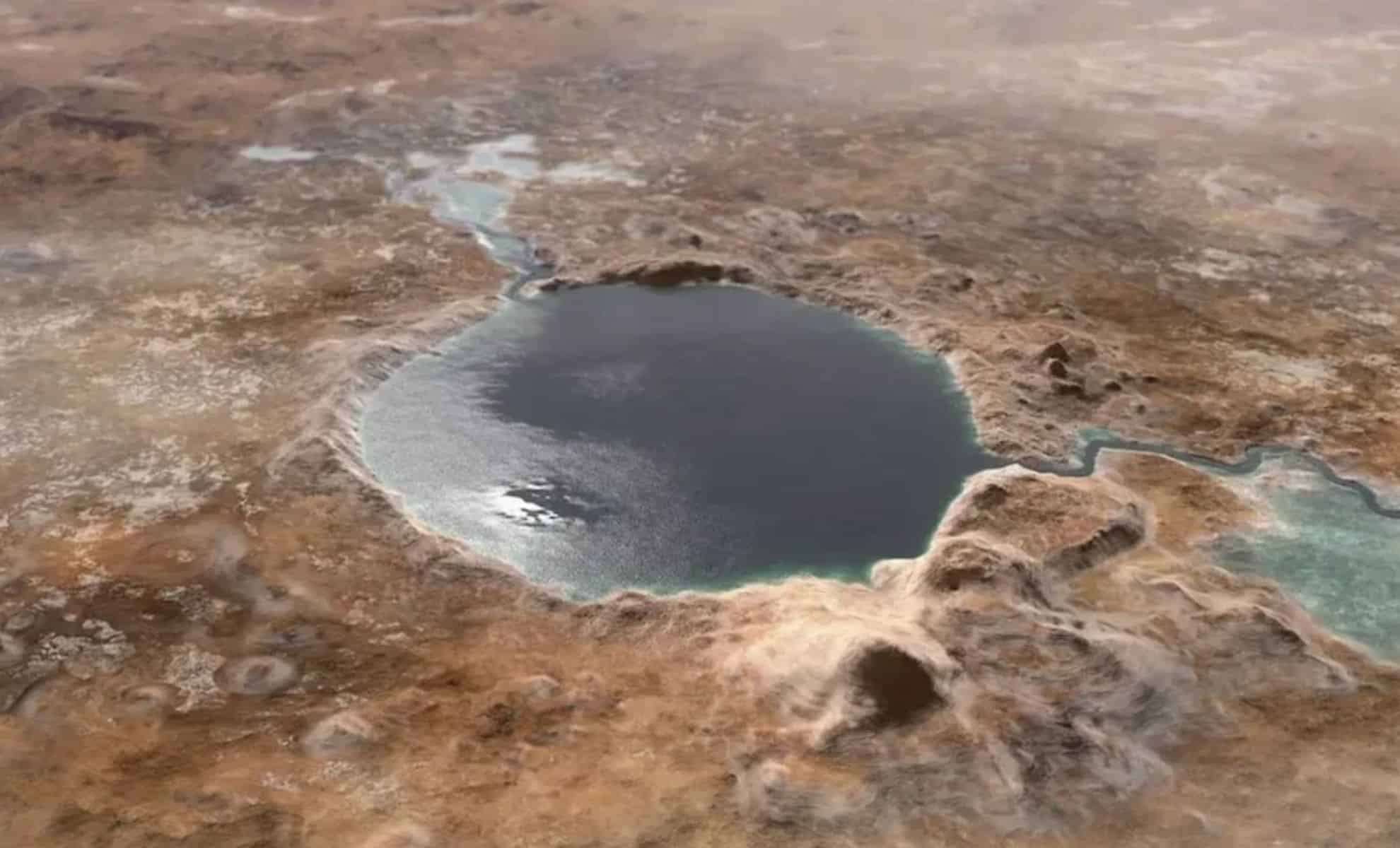
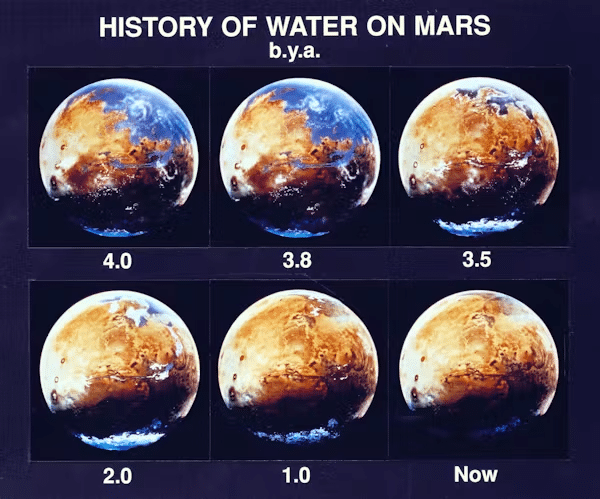
Known as the Red Planet, Mars once featured abundant surface water—rivers, lakes, and possibly an extensive ocean existed billions of years ago. Over time, however, the planet’s atmosphere thinned, and its magnetic shield faded, causing much of that water to vanish. Portions of it escaped into space, while other parts froze at the poles or became chemically bound within Martian minerals.
Despite this general understanding, a large amount of Mars’ initial water remained unaccounted for. New seismic findings from NASA’s InSight lander could redefine this narrative. Researchers found a "low-velocity layer" located between 5.4 and 8 kilometers down, characterized by porous rock likely saturated with liquid water, analogous to aquifers on Earth. This discovery could explain the whereabouts of some of Mars’ missing water, opening fresh pathways for exploring the planet’s geological evolution.

Seismic Signals Reveal Mars’ Hidden Aquifer
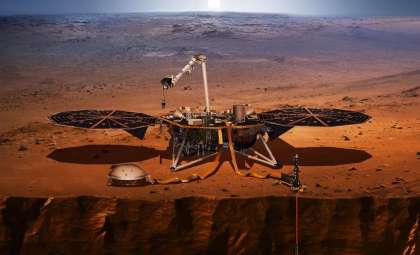
Landing on Mars in 2018, NASA’s InSight probe brought a sensitive seismometer designed to probe beneath the planet’s crust. As seismic waves propagated through Mars, scientists detected a slow-down in shear wave velocities within a specific subterranean region.
This region, spanning about 5.4 to 8 kilometers depth, shows characteristics of highly porous and liquid-filled rock, similar to a sponge soaked with water. The presence of liquid water at such depths suggests an extensive underground reservoir that has remained stable despite Mars’ frigid, desiccated surface conditions. The researchers hypothesize that this vast reservoir could contain more water than Earth’s largest ice sheets, providing critical clues to the planet’s climate history and potential habitability.
Linking Seismic Events to Subsurface Water Insights
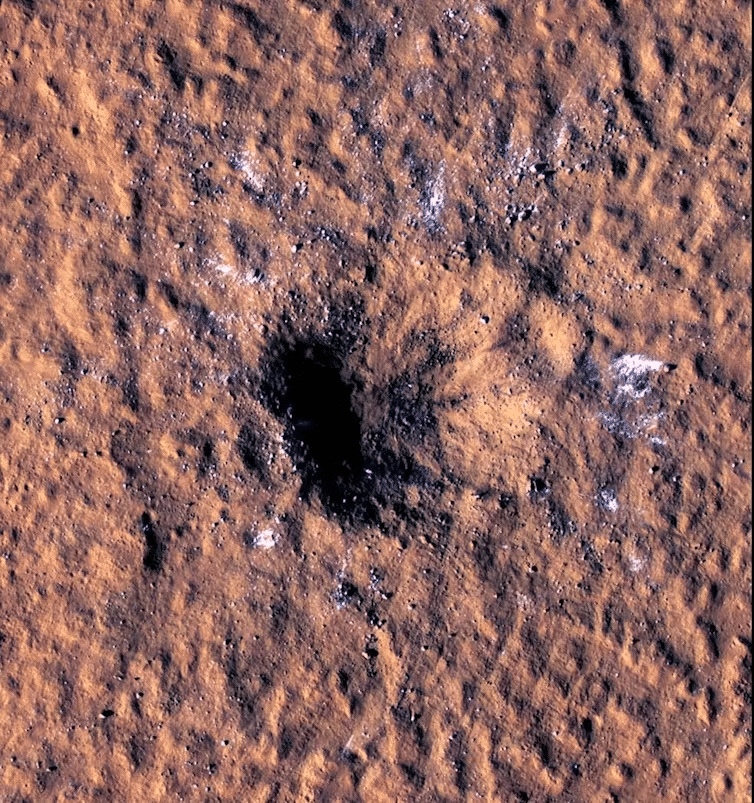
Marsquakes and meteorite strikes provide crucial data points by generating seismic waves that traverse the planet’s interior. In 2021, two meteorite impacts (labeled S1000a and S1094b) alongside a Marsquake (S1222a) created waves that helped unveil the planet’s internal makeup. These waves enabled scientists to construct “receiver functions,” mapping how seismic energy interacted with internal layers.
Analysis of these data confirmed that the Martian crust between 5.4 and 8 kilometers is water-rich. Research indicates this underground hydraulic system could contain enough water to form an ocean ranging from 520 to 780 meters in depth. This discovery aligns with long-held theories about Mars’ hidden water stores and fills a significant gap in planetary science.
Implications for Life and Future Exploration
The presence of subsurface liquid water has profound implications for Mars’ potential to support life. On Earth, microbial life thrives in deep aquifers, away from sunlight and under challenging conditions. If similar ecosystems ever existed on Mars, these hidden water reservoirs might house remnants of ancient microbial life, preserved beneath the surface.
Beyond astrobiology, this discovery could prove crucial for upcoming human missions. Accessible water underground could provide astronauts with essential resources such as drinking water, oxygen, and even rocket fuel. With such resources available, Mars becomes a more feasible target for sustainable human exploration and possibly colonization.
- Categories:
- News


0 comments
Sign in to Comment