
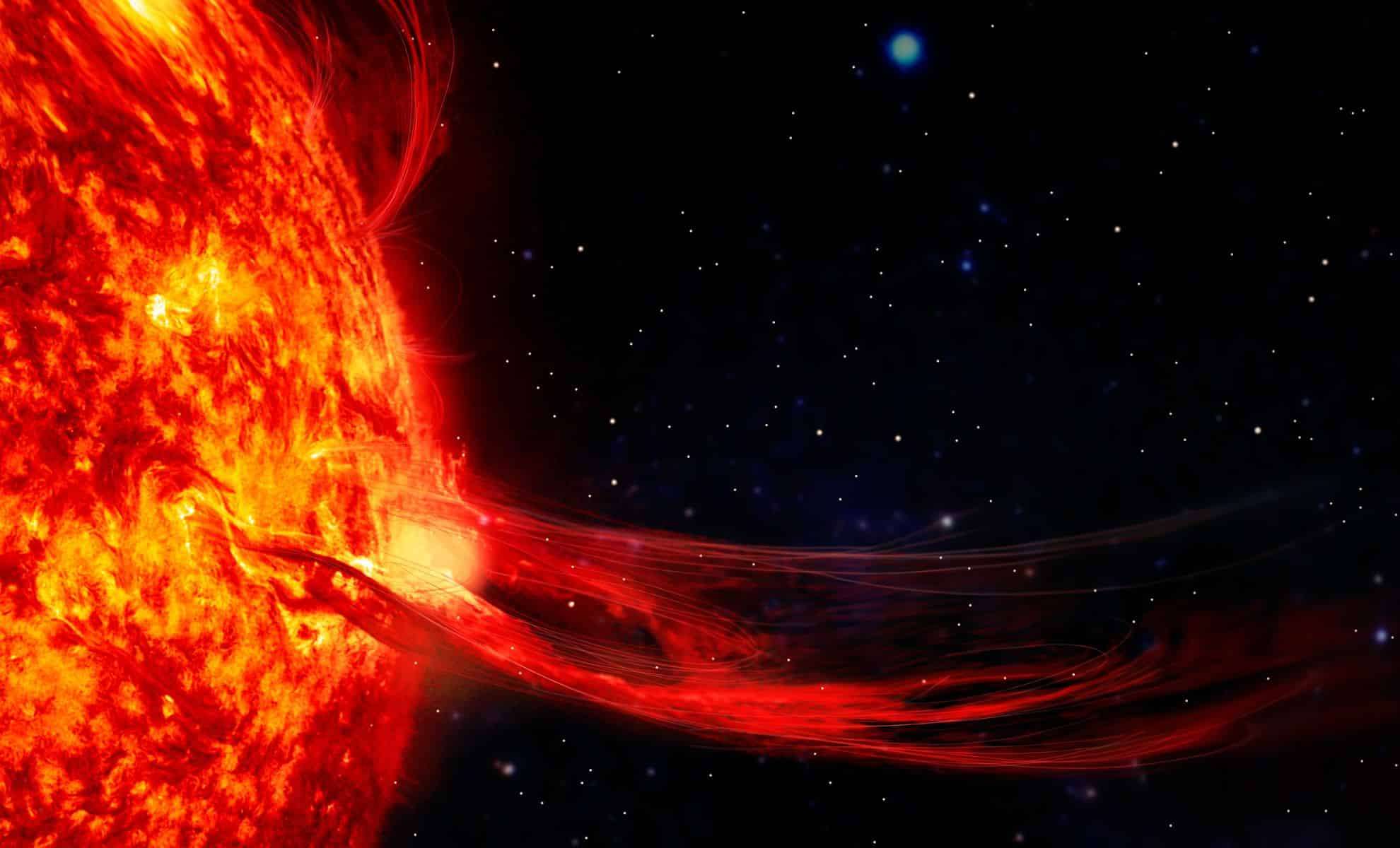
NASA and IBM have developed an advanced artificial intelligence system called Surya, designed to anticipate solar flares, solar wind bursts, and geomagnetic storms before they affect Earth. Derived from the Sanskrit word for sun, this groundbreaking AI is the first foundation model trained specifically on heliophysics data.
Surya Captures Solar Activity Like Never Before
Surya’s training utilized over nine years of solar images collected by NASA’s Solar Dynamics Observatory (SDO), which has been continuously observing the sun since 2010. This rich dataset helped Surya identify subtle solar activity patterns with remarkable accuracy.
Powered by a spatiotemporal transformer architecture, Surya analyzes both spatial and time-based changes in solar phenomena. Featuring 366 million parameters, it is capable of processing solar images up to ten times larger than those handled by conventional AI models, enabling it to detect the intricate dynamics that precede solar flares and geomagnetic disturbances.

During validation, Surya achieved a 16% improvement in predicting flare intensities compared to existing methods and became the first AI to forecast the precise location of a flare up to two hours beforehand. This advance provides critical time to prepare for space weather events.
Kevin Murphy, NASA’s Chief Science Data Officer, emphasized that Surya allows researchers to "quickly and precisely analyze the sun’s complex behavior," offering practical benefits that be applied immediately.
A New Chapter in Space Weather Prediction
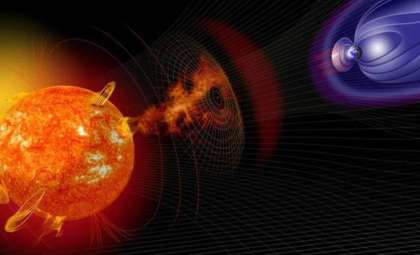
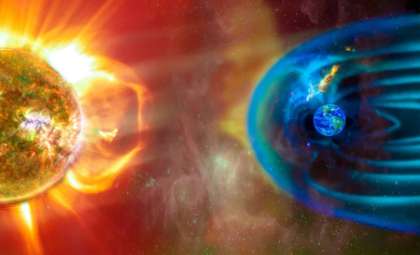
Solar activity can have dramatic consequences on Earth. Solar flares and coronal mass ejections (CMEs) unleash energetic particles and electromagnetic waves that disturb Earth’s magnetic shield. These disturbances contribute to problems such as radio communications blackouts, impaired GPS accuracy, and sometimes even widespread power outages.
The 1989 solar storm that incapacitated Quebec’s power grid and left millions without electricity serves as a stark reminder. With increasing reliance on satellites and advanced communication technologies, the threat posed by solar weather is growing. Lloyd’s of London estimates a single major solar tempest could cost the global economy as much as $2.4 trillion over five years.
Although organizations like NOAA and its Space Weather Prediction Center provide ongoing solar monitoring, their predictive capacity is limited. Surya’s ability to anticipate space weather events before they occur represents a paradigm shift, offering valuable lead time to protect vital systems and infrastructure.
Juan Bernabé-Moreno, head of IBM Research Europe, described the model as “an essential advancement to safeguard our technology-dependent world from the star at the center of our solar system.”
Promoting Global Scientific Collaboration with Open Access
The creators of Surya have made the uncommon choice to release the AI openly to the worldwide science community. Accessible through GitHub and Hugging Face, the model can be freely used, modified, and enhanced by researchers in fields like solar physics, space weather forecasting, and artificial intelligence.
This open-source strategy aligns with NASA's larger mission to harness AI for solving complex scientific problems. Bernabé-Moreno explained, “Just as we prepare for severe Earth weather, we must also ready ourselves for solar storms.” Surya embodies this proactive approach, encouraging innovation through shared knowledge.
Andrés Muñoz-Jaramillo, lead solar physicist at the Southwest Research Institute and principal investigator on Surya, summarized the goal: “We anticipate that the model has absorbed the key processes driving our sun’s evolution so we can derive actionable understanding.” Now that Surya is publicly available, that vision is coming to life.
- Categories:
- News





0 comments
Sign in to Comment