
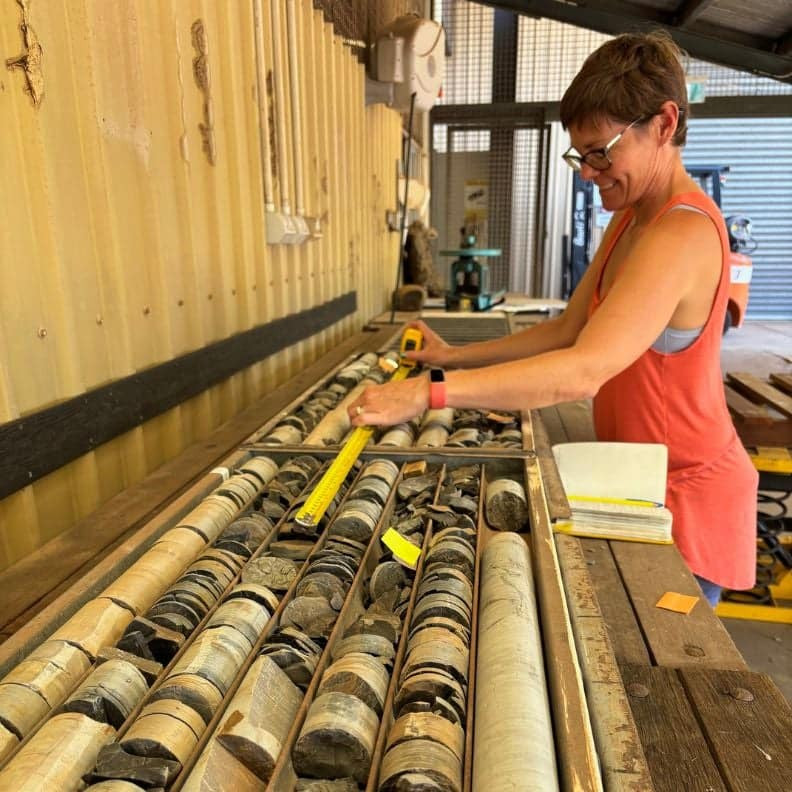
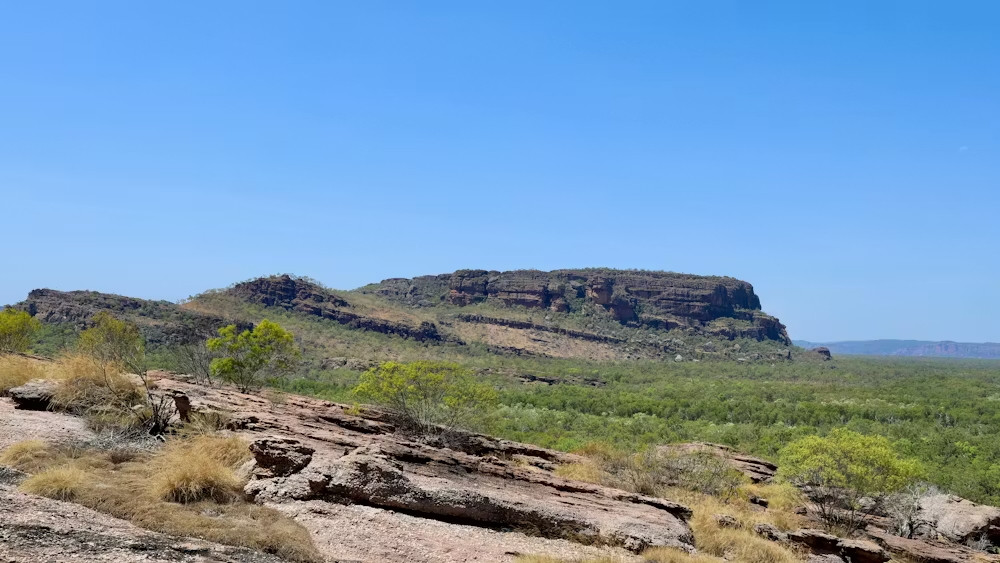
Within an open-air storage facility in the tropical city of Darwin, Australia, lie trays filled with cylindrical rock samples extracted decades ago for mining exploration. Among these samples are mudstones—ancient seafloor mud transformed into rock from an inland sea that once stretched across northern Australia.
Embedded within these rocks, scientists discovered minuscule fossils that could reveal clues about the habitats of Earth's earliest complex cells.
The fossils, detailed in a article in Nature, date back roughly 1.75 billion to 1.4 billion years. The findings indicate these early eukaryotes—the group including animals, plants, algae, and fungi—were almost exclusively found in sediments deposited under oxygen-rich bottom waters.

This insight narrows down the living conditions of early complex life. Instead of floating freely as plankton, these organisms likely inhabited or lived very close to the seafloor in environments where oxygen was accessible.
More Than 12,000 Fossils Unearthed from Ancient Mudstone
The fossils originate from mudstone cores stored in Darwin, linked to ancient marine settings of northern Australia. Researchers from the University of Sydney processed the mudstone samples by crushing, dissolving, and then examining the residual organic matter under microscopes.
They identified over 12,000 microfossils and analyzed the sedimentary rocks to reconstruct the deposition environments.
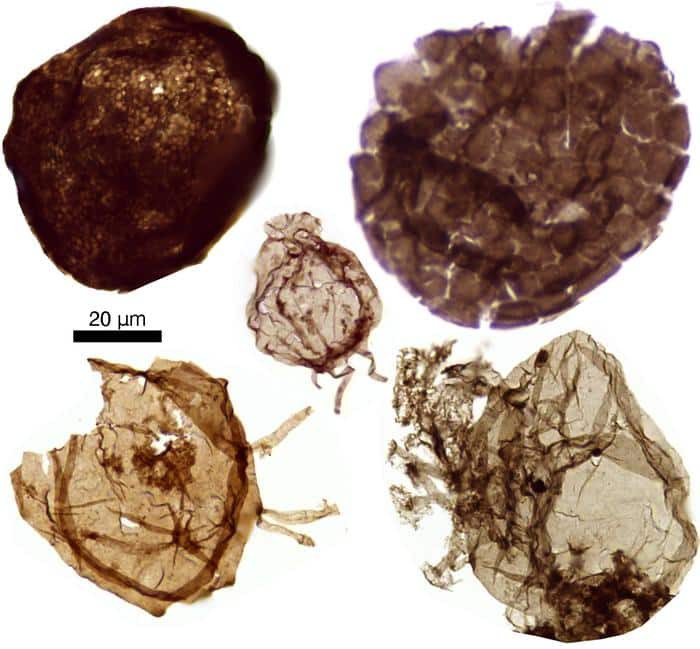
This combination was key: scientists sought not only the presence of ancient eukaryotes but also the nature of the seafloor where they were preserved, whether oxygen was present in the water at the time, and whether the fossils’ distribution indicated a seafloor or planktonic lifestyle.
Results show eukaryote fossils inhabited environments spanning from coastal mudflats to offshore marine areas. Notably, they appeared only in samples laid down in oxygenated conditions. In contrast, oxygen-free sediments contained solely simpler, single-celled prokaryotes, according to University of Sydney researchers.
Oxygen-Rich Habitats Linked to Early Eukaryotes
Eukaryotes possess a more complex cellular structure compared to bacteria and archaea. Present-day eukaryotes feature nuclei and specialized organelles, such as mitochondria—the cellular powerhouses found in nearly all modern eukaryotes.
The Nature publication highlights the ancient fossil’s size and complexity, suggesting these organisms were likely equipped with mitochondria. The authors also propose these fossils belonged to aerobic organisms that utilized oxygen, whether as a necessity, tolerance, or thriving at low oxygen levels.
This distinction matters because early Earth’s atmosphere had far less oxygen than today, leaving many marine habitats devoid of it. Scientists have long debated whether early eukaryotes depended on oxygen from the start or adapted to its use later on.
While not answering every question about eukaryotic origins, this study strengthens the case with fossil and geological evidence showing that oxygen was already important to some of the earliest known eukaryotes.
Seafloor Habitat Evidence Challenges Previous Views
The authors’ strongest assertion goes beyond oxygen use: these ancient eukaryotes were likely benthic, living either on the seafloor’s surface or within its sediments.
This conclusion arises from absence patterns in the fossil record. Had they mainly drifted as plankton, fossils would appear in both oxygen-rich and oxygen-poor seafloor sediments. Instead, the Nature study documents a near-absence of eukaryotes in oxygen-deficient but fossil-rich samples.
A UC Santa Barbara feature on the research emphasizes the team’s conclusion that oxygenated seafloors likely served as early habitats for eukaryotes. Leigh Anne Riedman, co-lead author and paleontologist at UCSB, noted that the oldest fossils already required oxygen to some extent and predominantly inhabited seafloor environments.
This discovery reshapes prior thinking that early eukaryotes mainly floated in planktonic niches. Some fossil forms resemble plankton today, but their geological occurrence suggests a different ecological role.
Restricted Habitats May Explain Slow Early Diversification
A broader question concerns why complex cells appeared so early yet didn’t rapidly diversify or spread widely.
The Nature study proposes that for much of the Proterozoic eon, eukaryotes were largely confined to oxygen-rich seafloor zones. These habitats existed but were limited, potentially restricting early eukaryotic expansion.
This could clarify why diverse eukaryotic fossils surface long after their initial emergence. The authors suggest that eukaryotes might not have moved into planktonic lifestyles until the Neoproterozoic era, around 1 billion to 540 million years ago.
- Categories:
- Science



0 comments
Sign in to Comment