
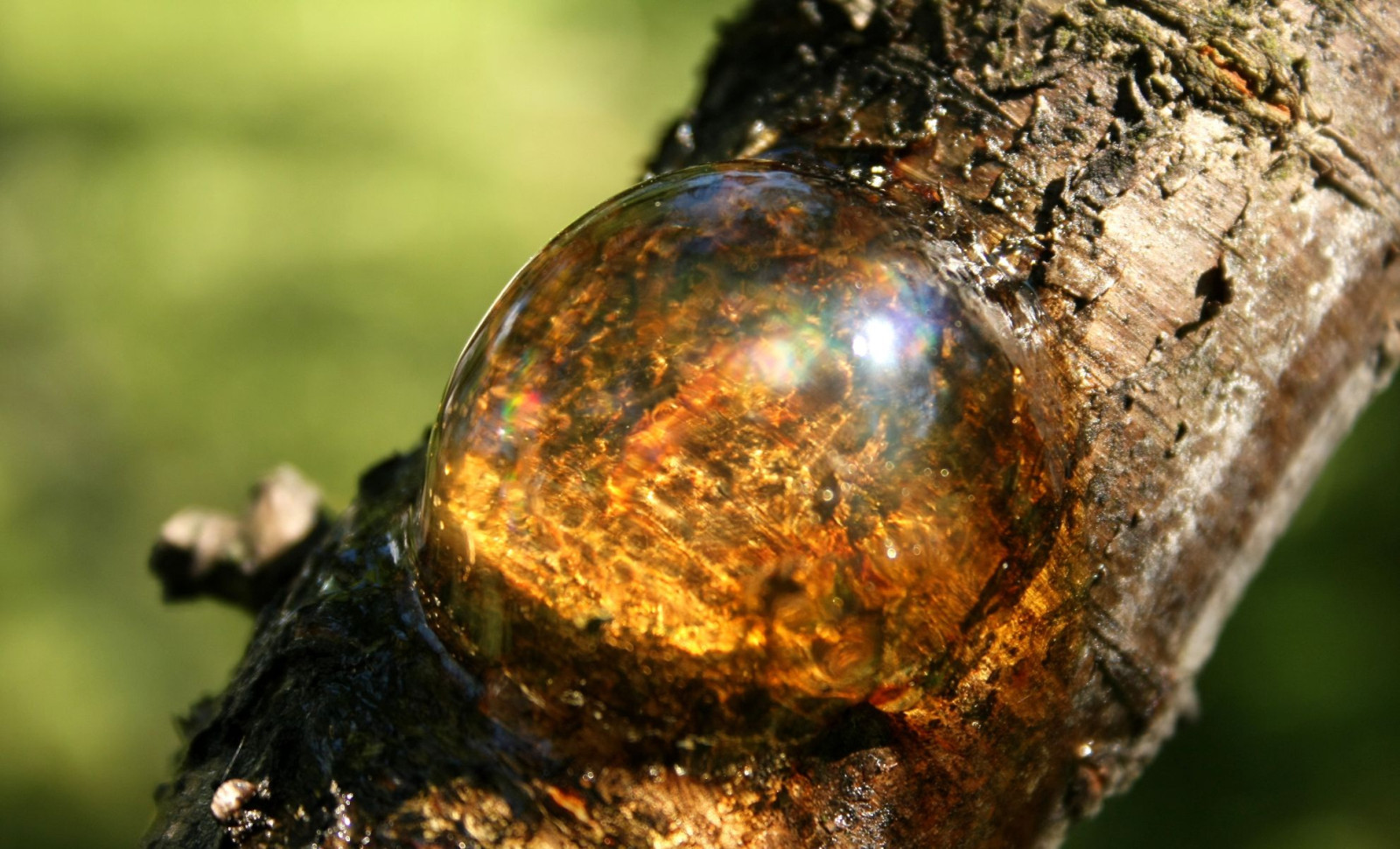
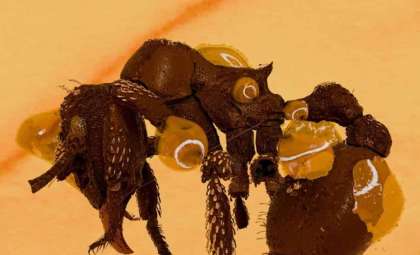
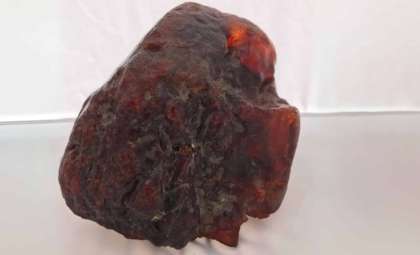
Encased within amber dating back 99 million years, a fossilized ant and fly have revealed one of the earliest cases of parasitic fungi commandeering insect hosts. The fungal protrusions emerging from their heads and bodies demonstrate the same haunting manipulation methods observed in present-day "zombie-ant fungi," indicating this phenomenon originated during the Cretaceous era.
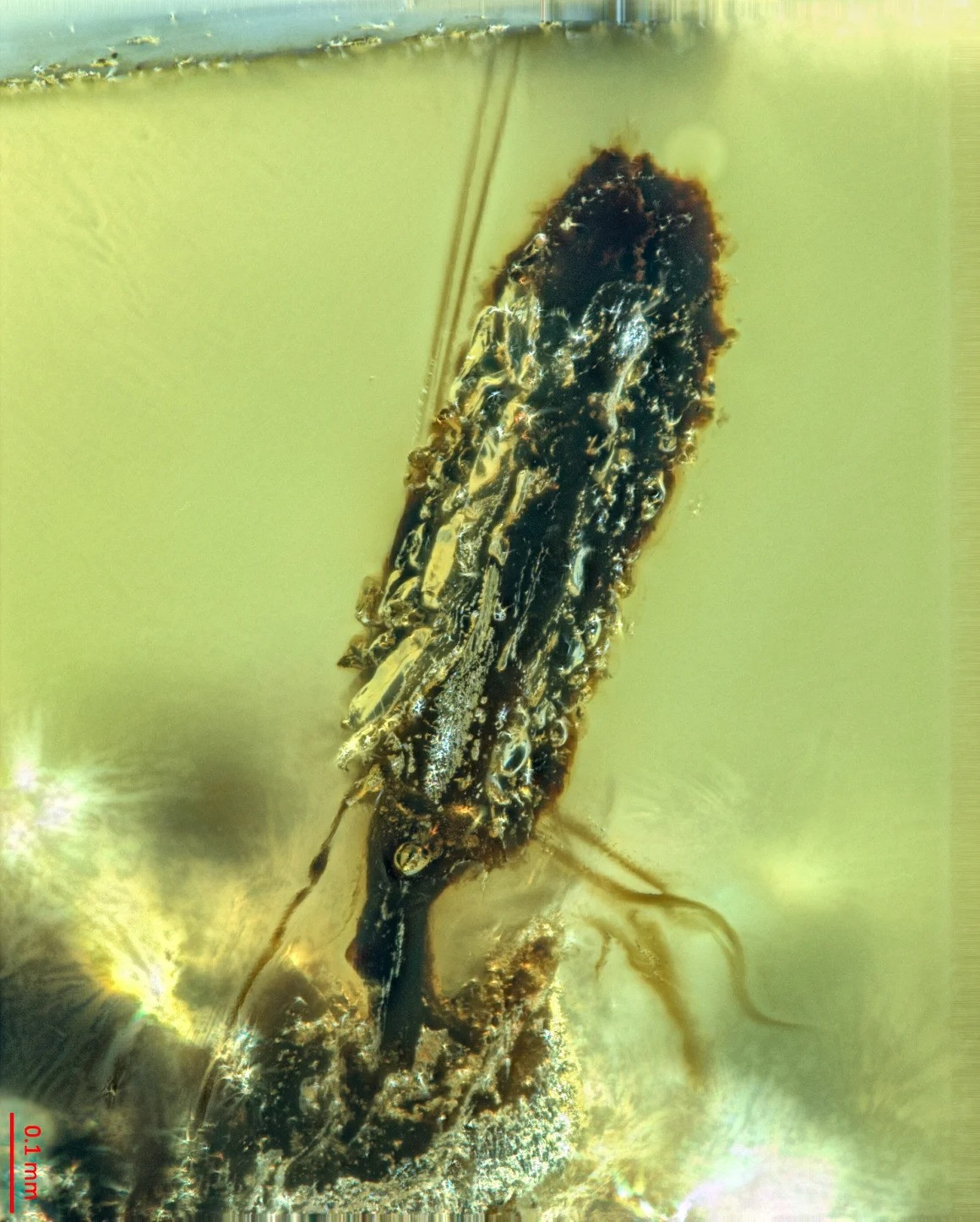
This finding offers concrete proof that fungi belonging to the Ophiocordyceps genus were infecting and controlling insects almost 100 million years ago, influencing their behavior before using them as platforms to reproduce. Detailed microscopic and 3D imaging analyses allowed researchers to identify and describe two new fungal species previously unknown to science from these rare fossils.
Parasites That Control Their Hosts
The specimens were recovered from amber deposits in northern Myanmar, a site renowned for yielding exceptional paleontological finds in recent years. The research, published in Proceedings of the Royal Society B, was led by Yuhui Zhuang, a paleontologist at Yunnan University.

He described the fossils as “very rare, at least among the tens of thousands of amber specimens we’ve seen, and only a few have preserved the symbiotic relationship between fungi and insects.”
Distinct Fungi on Different Insects
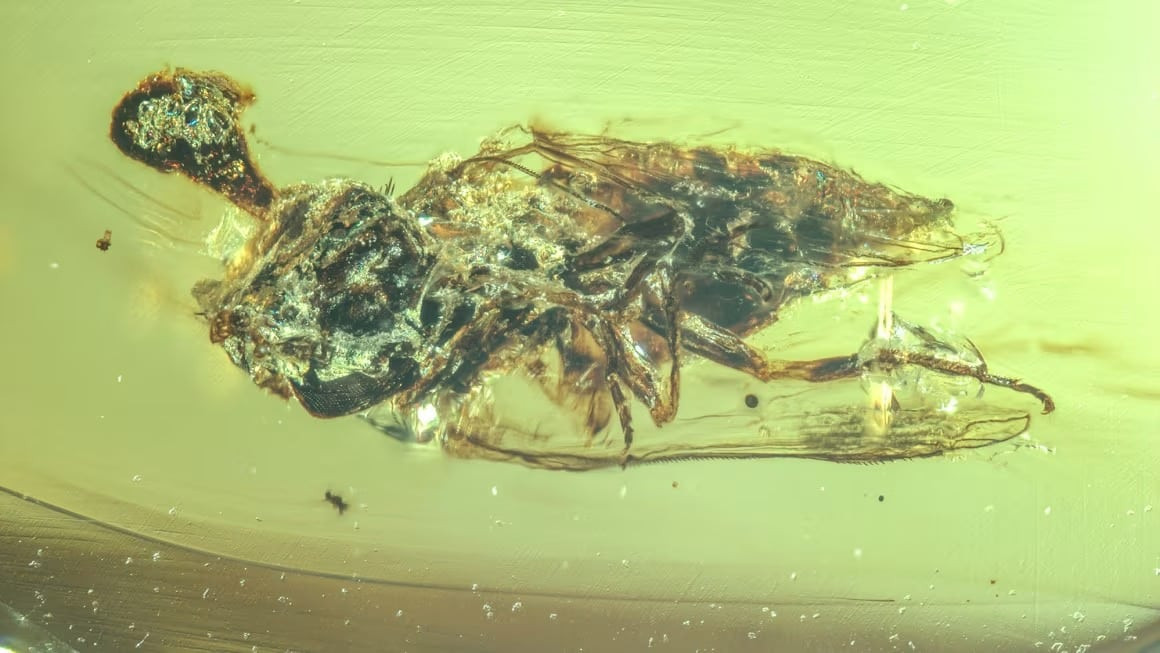
The fly and ant fossils each harbored unique fungal infections from newfound species. The fly carried Paleoophiocordyceps ironomyiae, with fungus sprouting from its head. The ant was infected by Paleoophiocordyceps gerontoformicae, exhibiting similar fungal development. These fungal structures served as fruiting bodies, responsible for dispersing spores once the insect hosts died.
Conrad Labandeira, a Smithsonian Museum of Natural History researcher uninvolved in the study, noted that ancient fungi likely exploited their hosts in the same manner as their modern descendants.
“It appears that ants, for some reason, were targeted early for zombification and currently are the major recipients of this parasitoid fungus.”
Insights into an Ancient Ecological Interaction
Researchers believe this form of parasitism had a significant impact on ancient ecosystems. João Araújo, a co-author, suggested that these fossil fungi likely represent ancestors of present-day zombie-ant fungi and emphasized the rarity of such fossils, making this discovery invaluable.
The exceptional preservation inside amber allowed scientists to witness the precise moment of fungal takeover. Zhuang’s group hypothesizes the insects were infected and died shortly before becoming trapped in resin, perfectly capturing the early stages of fungal emergence from their bodies.
- Categories:
- News







0 comments
Sign in to Comment