
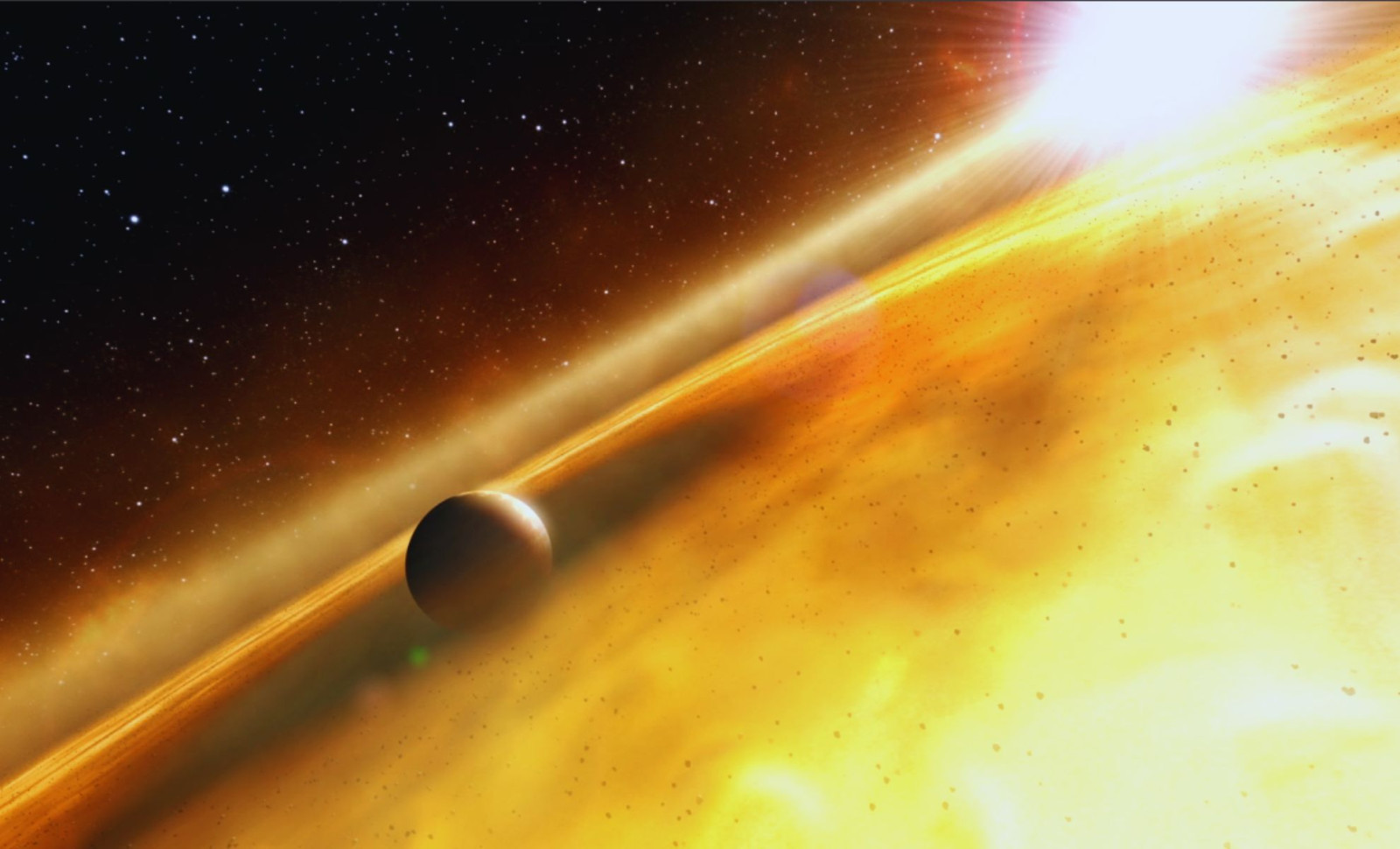
Scientists monitoring the nearby star Fomalhaut, just 25 light-years away, once believed they had spotted a planet reflecting the star’s rays, dubbed Fomalhaut b. However, over the years, the brightness of this object gradually dimmed until it disappeared altogether. Adding to the intrigue, a second luminous feature emerged close by, prompting experts to rethink their findings from nearly twenty years of observation.
The recent study published in Science has challenged previous theories about planet formation. Instead of a stable planet, what was detected is likely the aftermath of a dramatic collision between two sizeable asteroid-like bodies, creating a luminous cloud of debris within the system. The emergence of another bright spot lends further support to this explanation.
Dissecting a False Planetary Signal Created by Cosmic Collisions
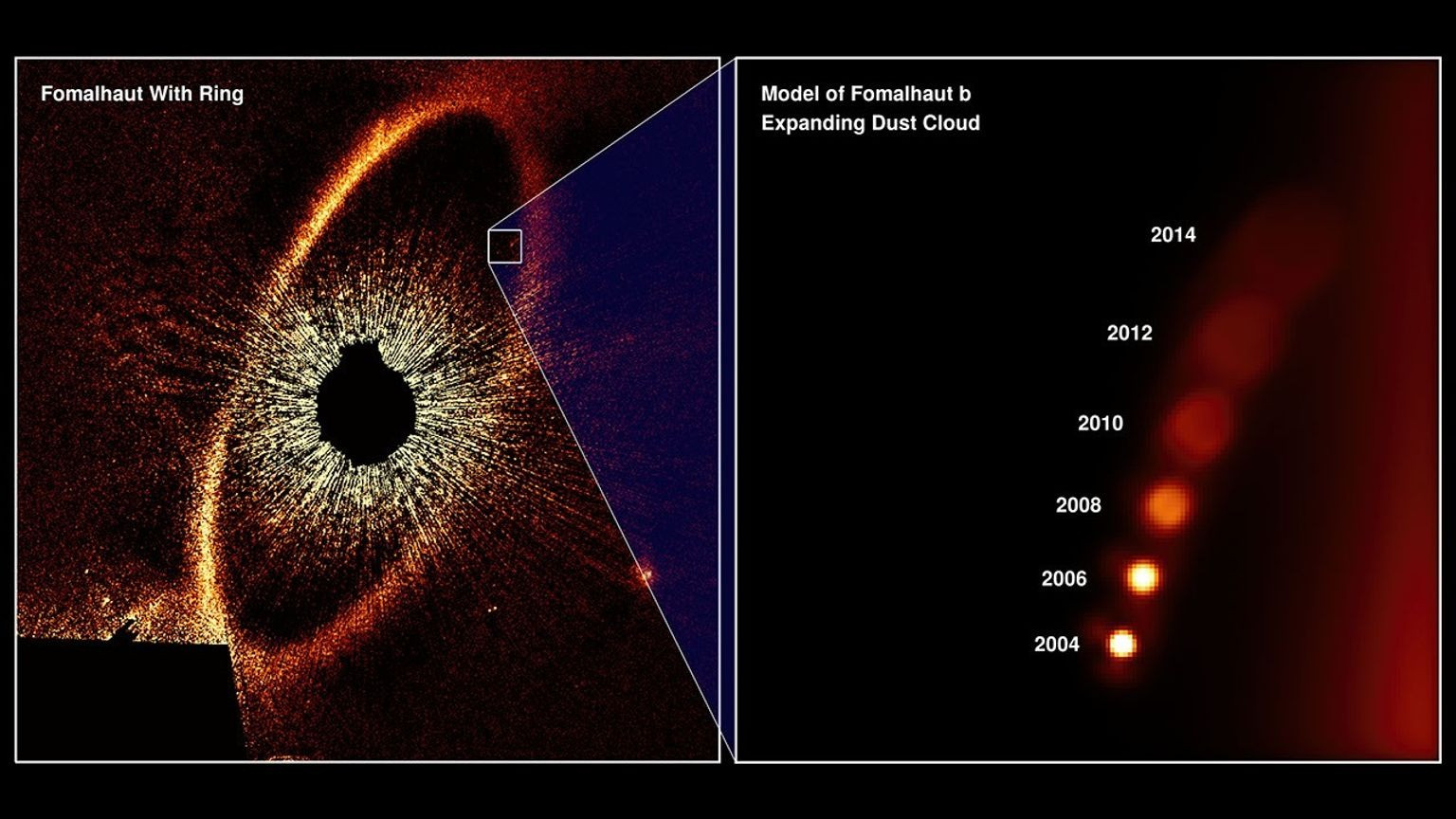
According to a NASA report, the object once classified as a nascent planet in 2008 has proven to be a far more transient and turbulent feature. Initially, the object named Fomalhaut b mimicked the signature expected from a reflective planetary body, inspiring prolonged scrutiny. Yet by 2023, the striking glow vanished, triggering renewed investigation.

Paul Kalas, an astronomer at the University of California, Berkeley, described the phenomenon as unprecedented within our solar neighborhood.
“It’s absent in all of our previous Hubble images,” Kalas said, “which means that we just witnessed a violent collision between two massive objects and a huge debris cloud unlike anything in our own solar system today.”
Recently acquired images have revealed a second luminous spot, now named cs2. This new light source’s similarity in brightness and position to the first, cs1, reinforces the idea that both are expanding clouds of dust, rather than actual planets.
Real-Time Insight Into Rare Cosmic Collisions
Collisions involving planetesimals are rarely witnessed, with models estimating such impacts occurring once every 100,000 years or more in systems like Fomalhaut’s. Yet within just two decades, scientists have documented two separate events in this same stellar neighborhood.
“Catching these events in real time gives scientists a rare window into how planets form,” noted Jason Wang, an astrophysicist at Northwestern University and study co-author.
Wang contributed one of four independent examinations affirming the presence of a short-lived bright source near Fomalhaut. Published online on December 18, 2025, the research suggests the system’s activity is far greater than previously assumed.
“I crunched the numbers to show that the four independent analyses all confidently detect a new source around the vicinity of the star,” Wang added.
Implications and Future Exploration Strategies
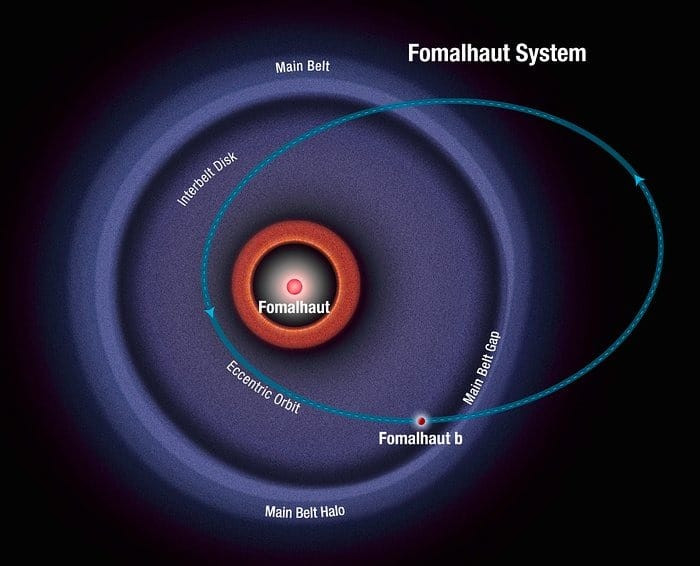
These revelations not only redefine our understanding of how planets form but also pose important cautions. Both cs1 and cs2 closely resembled exoplanets in reflected light, raising concerns for upcoming missions aimed at detecting distant planets using similar methods.
“This is a cautionary note for future missions,” Kalas remarked with regard to forthcoming observatories such as the Giant Magellan Telescope. “Fomalhaut cs2 looks exactly like an extrasolar planet reflecting starlight.”
With the aging Hubble Space Telescope no longer able to deliver reliable data on the system, the focus has shifted to the James Webb Space Telescope. The team, including Wang, has secured observation slots on Webb’s Near-Infrared Camera (NIRCam) to study cs2. Webb’s advanced instruments can determine the size, composition, and temperature of dust particles and may even detect ice or water content if present.
- Categories:
- Astronomy






0 comments
Sign in to Comment