
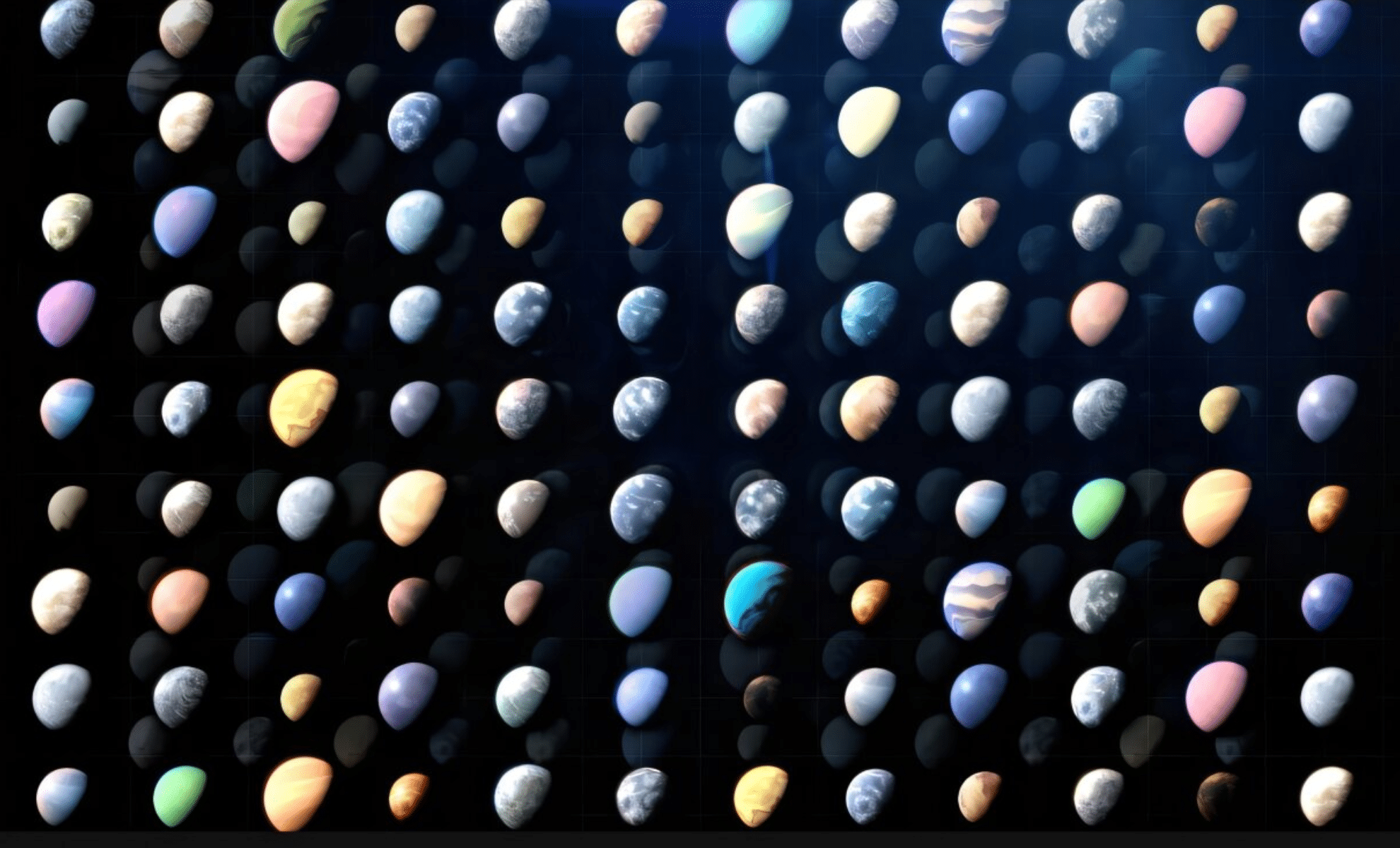
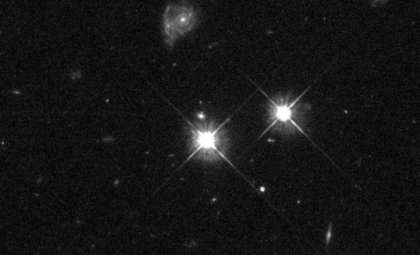
NASA has officially confirmed the existence of 6,000 exoplanets—planets orbiting stars beyond our solar system—marking a major breakthrough built on years of observation and analysis. This landmark is highlighted on NASA’s Exoplanet Discoveries Dashboard, which chart the incredible diversity of planets scattered throughout our Milky Way galaxy.
Significance of Reaching 6,000 Exoplanets
Managed by NASA’s Exoplanet Science Institute (NExScI) at Caltech’s IPAC in Pasadena, California, the planetary count is continuously updated as scientists worldwide confirm new candidates. Although no individual planet holds the title of the 6,000th discovery, this figure exemplifies the rapid progress in technology and planetary science.
“This achievement reflects decades of dedicated exploration using NASA’s space telescopes—transforming how we perceive our universe,” stated Shawn Domagal-Goldman, acting director of the Astrophysics Division at NASA Headquarters in Washington. “From initial detection to in-depth studies, NASA missions are paving the way to answer one of humanity’s greatest questions: Are we alone? With upcoming instruments like the Nancy Grace Roman Space Telescope and the Habitable Worlds Observatory, the U.S. will spearhead deep investigations of Earth-like planets orbiting sun-like stars. This embodies American innovation and the spirit of discovery uniting us all.”

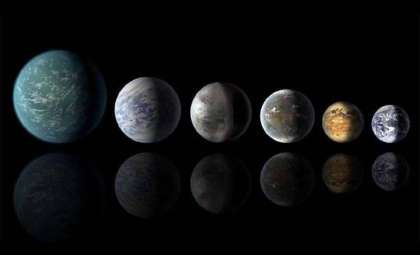
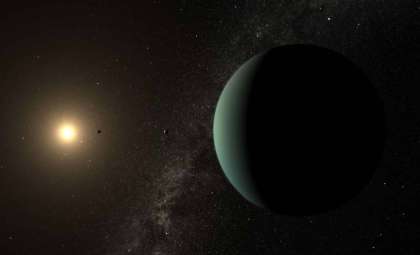
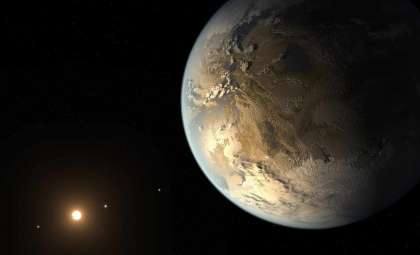
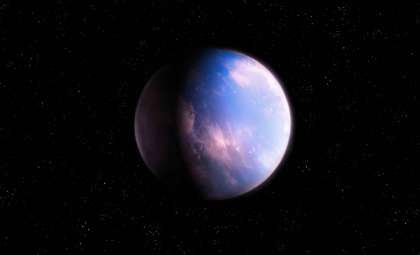
These exoplanets span a remarkable range, including rocky terrestrial worlds, massive gas giants, water-covered spheres, and some with temperatures akin to stars. This vast variety has refined scientists’ understanding of how planets form and where they appear across the galaxy.
Techniques and Obstacles in Discovering Exoplanets
Directly capturing images of exoplanets remains a rare feat, with less than 100 planets documented by this approach due to the overpowering glare of their stars. Most planets are discovered indirectly, for example, through the transit method, which detects a small dip in brightness as a planet crosses its star’s face. Additional strategies like astrometry and gravitational microlensing, utilized by ESA’s Gaia mission and NASA’s forthcoming Nancy Grace Roman Space Telescope, further enhance detection rates.
“Maximizing these missions' output requires collaborative efforts across the scientific community,” explained Aurora Kesseli, deputy science lead for the NASA Exoplanet Archive at IPAC. “Our role at NExScI involves creating tools that transform potential planets into confirmed worlds.”
Verification of candidate planets demands ongoing observation and study, fueling a constantly evolving catalog. Currently, NASA’s listings include over 8,000 candidates pending confirmation, promising the exoplanet count to grow swiftly in the near future.
Insights Into Planetary Variety
The expanding discoveries go beyond new planets to uncover entirely new planetary categories. Some exoplanets orbit binary stars, while others drift freely without a host star. Among them are volcanic lava worlds, gas giants orbiting perilously close to their suns, and even planets shrouded in gemstone clouds. Scientists have also found exoplanets with densities ranging from ultra-light “foam-like” bodies to massive rocky planets.
“Every unique planet adds crucial clues about planetary formation conditions and the frequency of Earth-like worlds, guiding where to focus our search,” noted Dawn Gelino, head of NASA’s Exoplanet Exploration Program (ExEP) at the Jet Propulsion Laboratory. “Understanding this diversity is vital in our quest to discover if we are alone.”
Data further suggests that rocky planets are far more common throughout the galaxy than giant gaseous ones, marking promising prospects for identifying habitable environments beyond Earth.



0 comments
Sign in to Comment