
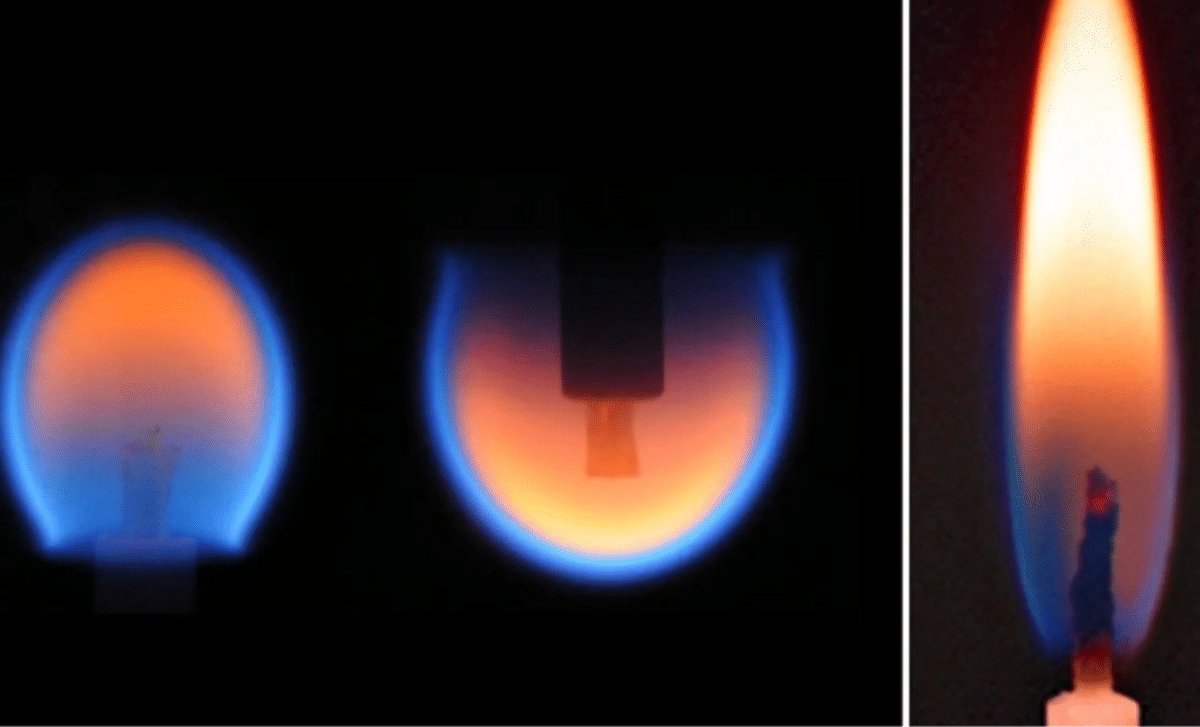
Though igniting a fire on the Moon may seem paradoxical, NASA is gearing up for a groundbreaking experiment aimed at exploring how flames behave in lunar gravity. This research is pivotal for ensuring astronaut safety during upcoming lunar missions, as combustion in such an environment could differ dramatically from what we experience on Earth.
How Lunar Gravity Alters Fire Behavior
On Earth, fire dynamics are governed by gravity, airflow, and heat exchange. However, the Moon’s gravity, which is only about one-sixth that of Earth, shifts these dynamics in subtle yet potentially hazardous ways. This has led scientists to reconsider assumptions underpinning NASA-STD-6001B, the agency’s standard procedure for assessing the flammability of materials intended for spacecraft and lunar habitats.
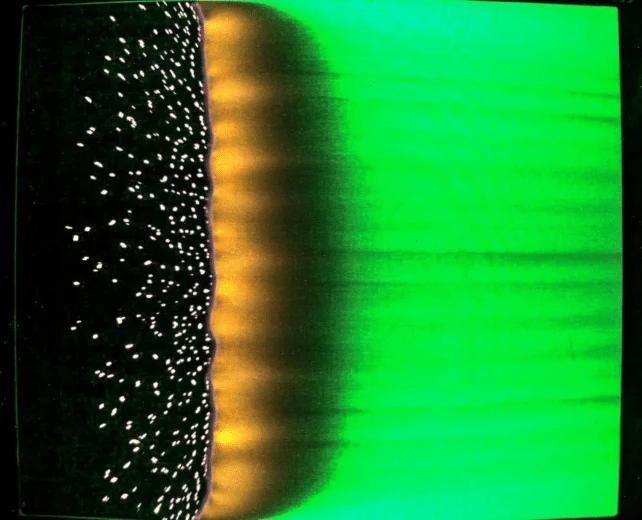
Currently, flammability tests rely on Earth’s gravity and observe flame behavior over short distances. However, materials that appear nearly fire-resistant under terrestrial conditions might ignite more easily in the Moon’s reduced gravity. This is believed to be due to altered oxygen flow and flame stability; in lower gravity, the process called blowoff, where oxygen influx disrupts a flame, weakens. This can result in flames lasting longer and potentially spreading further.

The risks extend beyond scientific curiosity. In a sealed moon habitat, even a minor fire could escalate swiftly if materials do not behave as anticipated. With plans for extended lunar habitation, gaining a detailed understanding of fire risks is critical for astronaut survival.
Details of the FM2 Experiment on the Moon
To address these uncertainties, NASA has developed the Flammability Of Materials On The Moon (FM2) experiment. This mission will ignite four solid fuel types inside controlled, habitat-like containers on the lunar surface, marking the first time such tests occur beyond Earth orbit with sustained partial gravity.
Planned for launch in late 2026, the experiment will be outfitted with high-resolution cameras, radiometers, and oxygen sensors to monitor flame evolution, spread, and extinction. Unlike brief experiments conducted in drop towers or suborbital flights, FM2 aims to gather data on prolonged combustion behavior in lunar gravity.
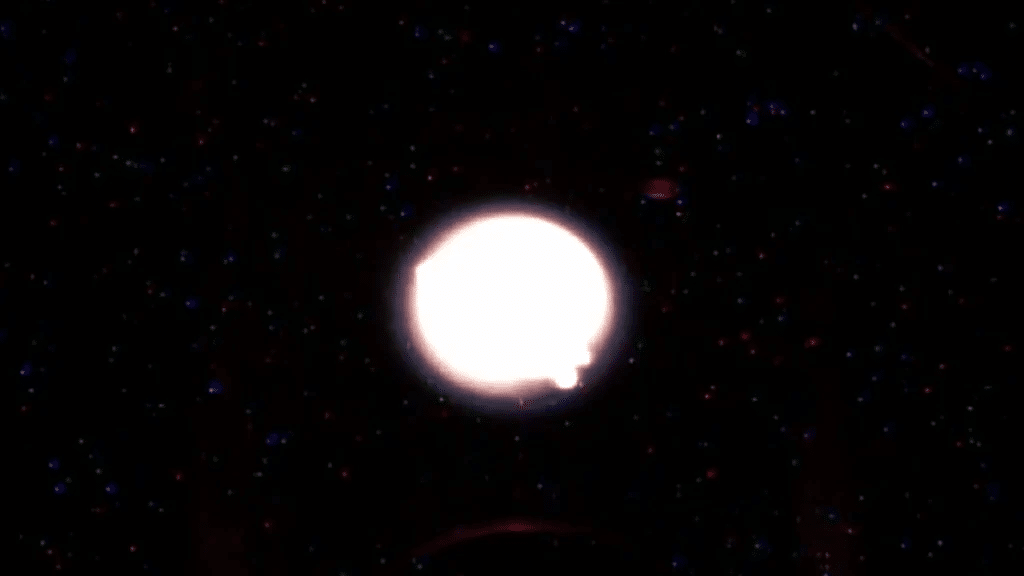
Researchers emphasize that the data from FM2 will serve as a critical reference for refining fire safety regulations related to space vehicles, habitats, and astronaut gear, ensuring future lunar expeditions incorporate realistic fire hazard scenarios.
Insights from Prior Space Fire Studies
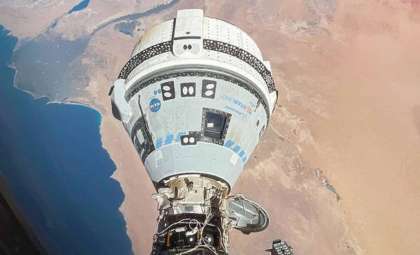
Fire experiments conducted in microgravity aboard Northrop Grumman Cygnus spacecraft have revealed flames tend to assume spherical shapes and burn at cooler temperatures, challenging terrestrial combustion models and influencing fire control measures.
However, partial gravity environments like the Moon's introduce additional complexities. Early investigations utilizing drop towers and sounding rockets hinted that some materials might ignite more readily under reduced gravity. These brief tests indicated that flammability thresholds could shift, potentially rendering previously safe substances more combustible.
Furthermore, the elevated oxygen concentrations anticipated inside future lunar habitats, while beneficial for astronauts’ breathing, could significantly increase fire ignition speed and intensity. Coupled with lunar gravity’s impact, this creates a hazardous environment that requires thorough investigation.
Essential Progress Toward Securing Lunar Living Spaces
The FM2 project is not just a scientific breakthrough but a vital advance in ensuring sustainable human presence on the Moon. As government agencies and private enterprises collaborate to construct permanent lunar bases, verifying every aspect of habitat safety through real lunar conditions remains imperative.
The significance of this research, as spotlighted by Universe Today, lies in updating engineering standards to reflect environments beyond Earth. Testing materials directly on the Moon’s surface will bridge crucial knowledge gaps and influence spacecraft and habitat design for years to come.
Comprehending how fire behaves in lunar settings is vital, as it will guide choices in construction materials and emergency plans. The FM2 experiment’s outcomes could redefine safety guidelines and impact how humanity establishes its first homes off our planet.
- Categories:
- Space





0 comments
Sign in to Comment