
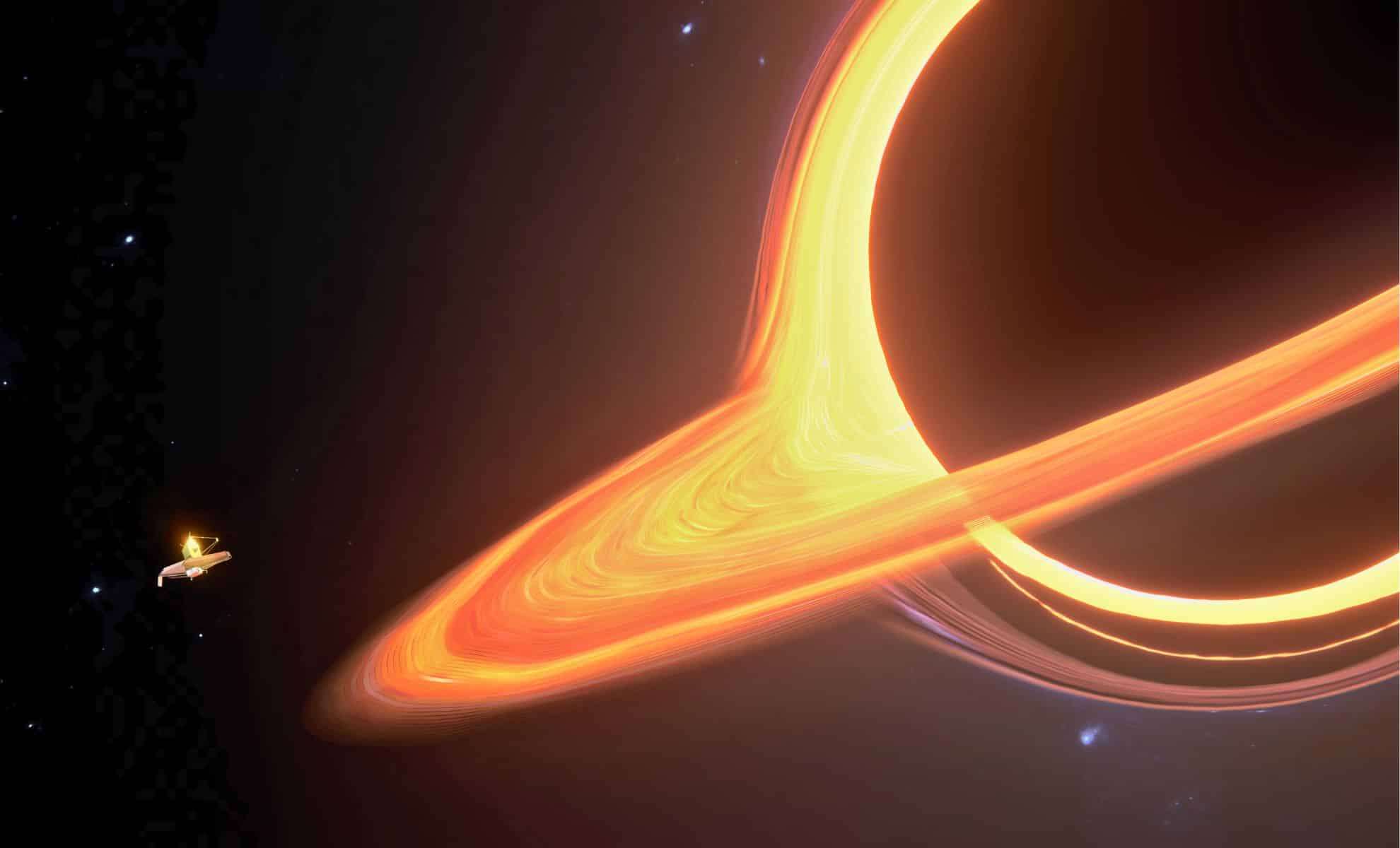
Space has always fascinated us with its immense scale and enigmatic qualities, frequently inspiring awe and fear. As our exploration of the universe progresses, we keep uncovering astonishing and sometimes eerie cosmic phenomena. Among the most formidable are black holes, which distort space and time around them. These enigmatic entities continue to attract significant scientific curiosity, reshaping how we understand their nature with every new insight.
Back in 2019, NASA astonished the world by releasing the first-ever image of a black hole, resembling a pixelated, glowing ring. This marked a historic achievement in visualizing one of the universe’s darkest mysteries.
Then, in 2022, NASA made another remarkable leap forward by unveiling a haunting sound generated by a black hole. This audio was recorded from a black hole residing in the Perseus galaxy cluster, situated more than 250 million light-years from Earth. The chilling sound echoes eerie tones that might seem at home in a sci-fi thriller.

The question arises: how can sound exist in space, commonly regarded as a vacuum? This discovery challenges long-held ideas. Delving into this strange sonic phenomenon, we’ll uncover how scientists captured these cosmic vibrations and what this reveals about the unsettling character of black holes.
Decoding Sound in the Void of Space
Many envision space as a silent vacuum, a vast emptiness where sound cannot travel. Pop culture and science fiction often reinforce this perception. Although it’s true that traditional sound waves require a medium such as air or water to propagate, outer space isn’t entirely empty.
Near black holes, swirling clouds of gas and dust create turbulent conditions. These disturbances produce ripples in the fabric of space-time itself. Remarkably, these ripples can be transformed into audible signals, challenging the assumption that space is completely soundless.
Key Points: Sound Around Black Holes
- Space has very low density but contains matter.
- Vibrations travel through gas clouds enveloping black holes.
- These vibrations can be digitally converted into sound humans can hear.
NASA’s Method for Capturing Black Hole Sound
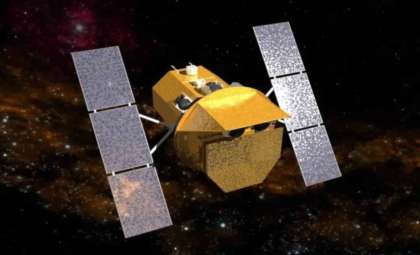
NASA’s Chandra X-ray Observatory detected a groundbreaking signal in 2022: sounds originating from a black hole nestled within the Perseus galaxy cluster. This gigantic black hole dominates a vast region filled with hot gas and energetic particles.
Sonification: Turning Cosmic Waves into Sound
- Scientists observed ripples formed by the motions of gas around the black hole.
- These ripples—naturally inaudible—were shifted up by 57-58 octaves to bring them into the audible range.
- This pitch adjustment created a frequency perceptible to human ears, effectively sonicizing space-time ripples.
An Unnerving Cosmic Soundscape
The resulting audio is eerie, resembling the “anguished wails of lost extraterrestrial spirits.” This ominous, low-frequency moan isn’t just a fascinating artifact; it embodies the violent and chaotic energy that black holes exert in the universe.
Sound Attributes: A Glimpse into Cosmic Dread
By translating these cosmic vibrations into audible sound, NASA pushes scientific boundaries while evoking a profound emotional response to the mysteries of space. This haunting groan encapsulates the awe-inspiring and unsettling nature of black holes, offering a uniquely immersive encounter with the universe.
- Categories:
- Space




0 comments
Sign in to Comment