
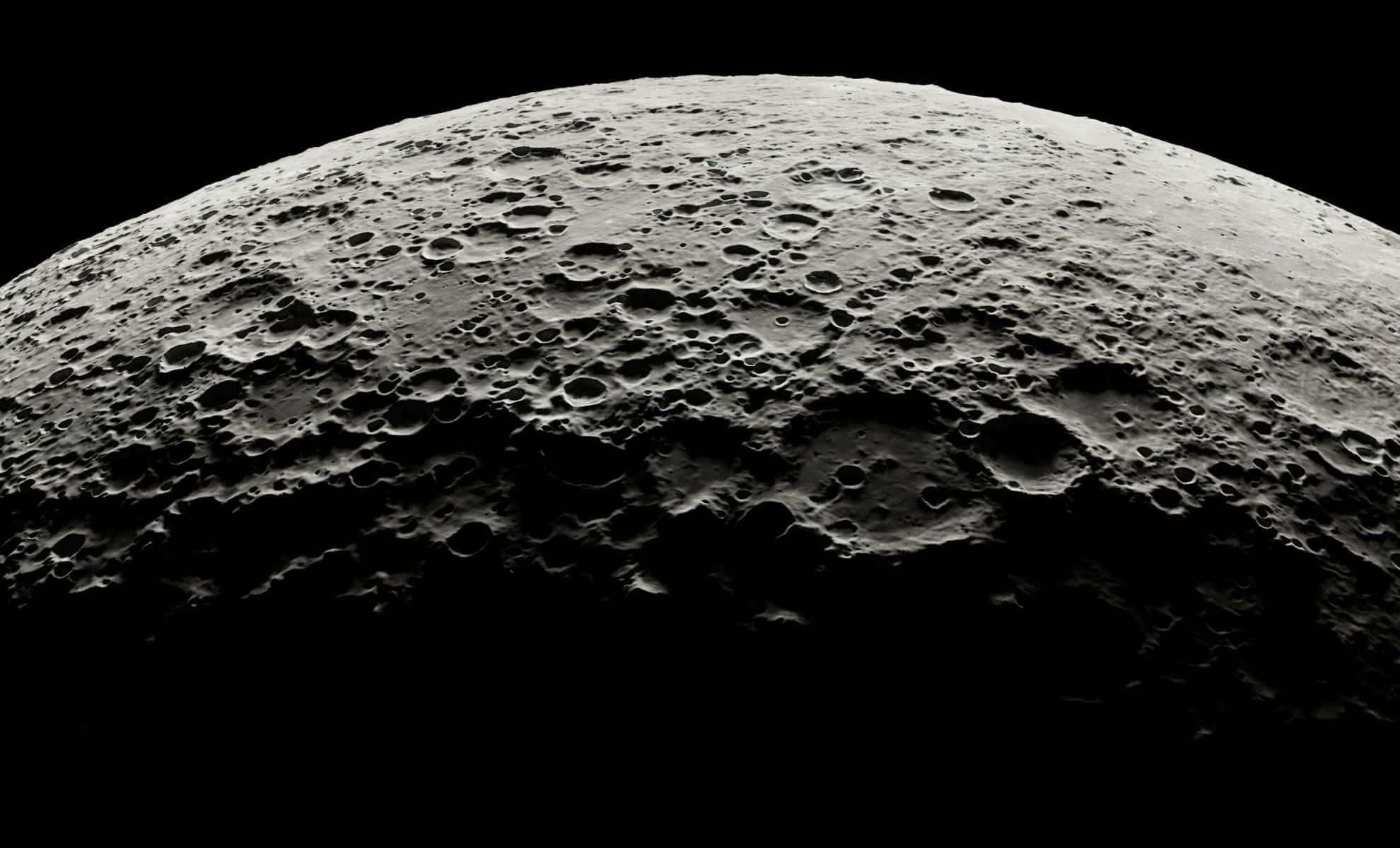
Researchers at NASA have identified more than a dozen concealed entry points to subterranean caves on the Moon, a discovery that could dramatically influence upcoming lunar missions. By examining almost 15 years’ worth of data from the Lunar Reconnaissance Orbiter (LRO), scientists have verified the existence of enigmatic pit craters, natural features that might offer access to protected underground spaces, shielding explorers from the Moon's extreme environment.
Distinctive Features of Lunar Pit Craters
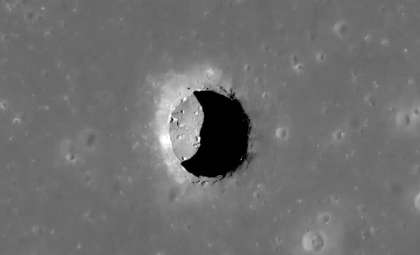
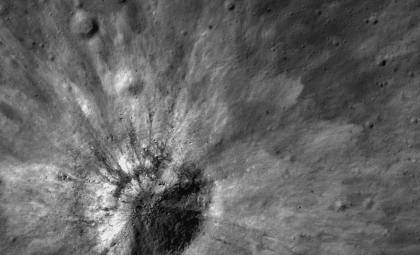
Unlike typical surface depressions, pit craters arise when the ground above an underground cavity collapses, often due to ancient lava tubes below. These circular, steep-sided pits are more than just geological oddities. Using LRO images, researchers observed patterns of shadows within some pits, hinting at overhanging ledges or concealed entrances beneath the surface.
Advanced image processing and shape-from-shading analyses allowed an investigation of over a hundred pit craters. Sixteen were identified as likely gateways into significant subsurface voids. Robert Wagner from Arizona State University remarked, “Pits would be useful in a support role for human activity on the lunar surface,” highlighting their value for future human lunar exploration.

A new AI system has analyzed lunar surface images and uncovered possible subsurface entrances on the Moon. These openings may lead to lava tubes or caves, offering stable environments for future lunar habitats. The technology enhances our ability to detect hidden features and… pic.twitter.com/XXqV46Z8A5
— Cosmoknowledge (@cosmoknowledge) July 31, 2025
Prominent Sites for Upcoming Investigations
Among the top locations are Mare Tranquillitatis, the famed Apollo 11 landing area, and Mare Ingenii, both historic volcanic plains. These regions are excellent candidates for preserving extensive lava tubes that may have remained intact. Imagery from the Marius Hills pit crater and the Mare Tranquillitatis pit show floors cloaked in deep shadows even during peak sunlight, strengthening the argument for further exploration.
Such features could act as natural sanctuaries, offering protection to astronauts and equipment from harmful radiation, extreme temperature extremes, and frequent micrometeorite impacts. Scientists also hope to discover exceptionally well-preserved materials within these subterranean environments.
Advancing Towards Permanent Lunar Habitats
Besides their scientific importance, these caves could be key assets in developing sustainable lunar bases. Temperatures underground tend to be steady, and natural rock structures might serve as shields against radiation. According to the research, pits demonstrating consistent internal shadows and favorable landscapes should be prioritized for landing and robotic reconnaissance in future missions.
Robotic landers and orbiters will likely be deployed to confirm how extensive and interconnected these hidden caves are. If successful, these natural structures could provide the basis for long-term lunar settlements, greatly reducing the need for large-scale artificial shelters on the surface.
NASA’s announcement represents a major leap in utilizing the Moon’s subterranean features, bringing us closer to a future where humans can thrive underneath the lunar landscape.
- Categories:
- News









0 comments
Sign in to Comment