
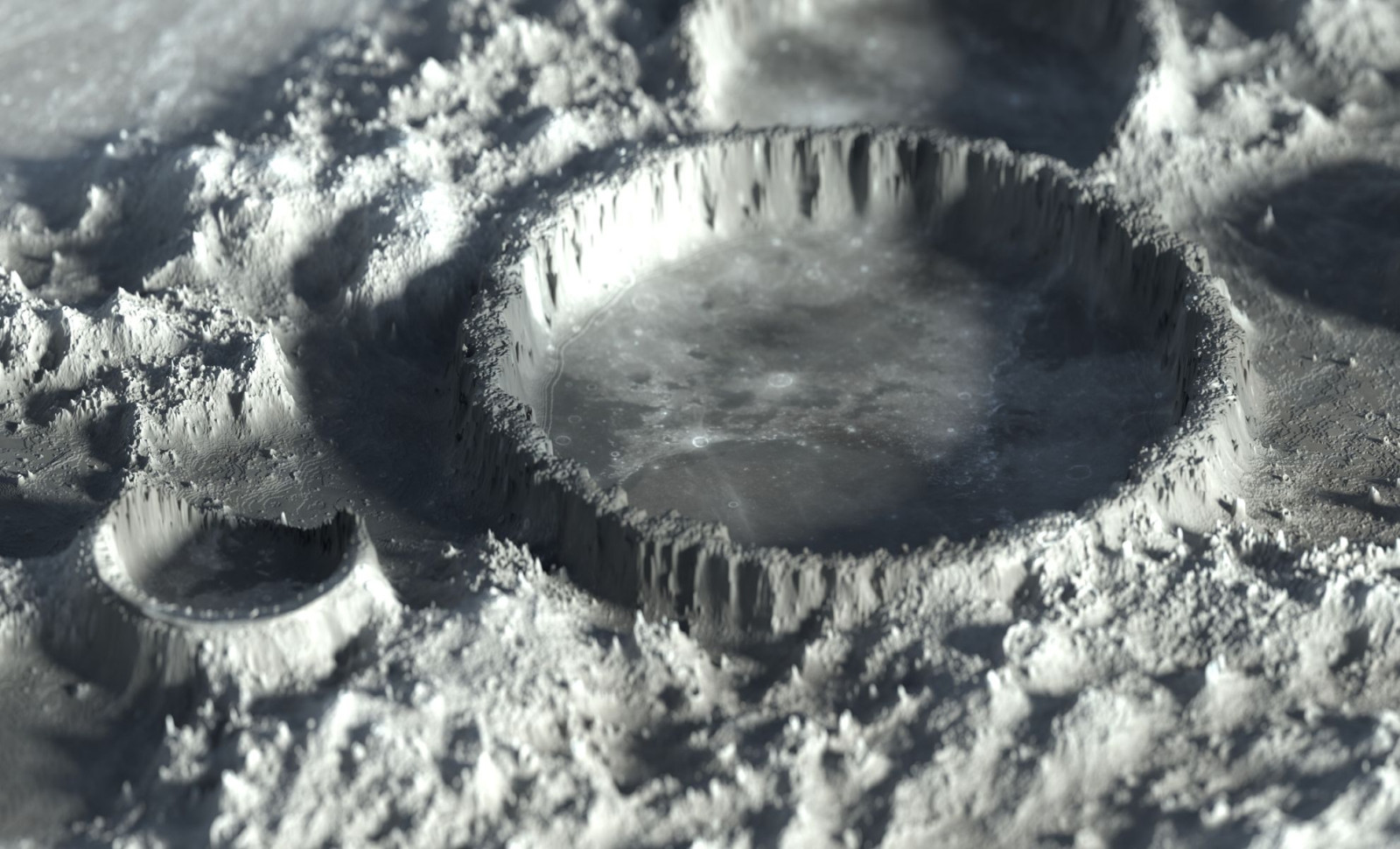
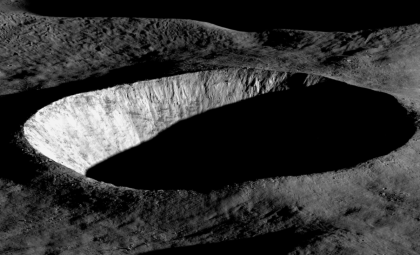
In 2024, a 225-meter crater quietly formed on the lunar surface, later spotted in images captured by orbiting spacecraft. This uncommon event offers valuable insights into the continuing hazard posed by impacts on the moon.
This discovery arose from systematic image comparisons taken by the NASA Lunar Reconnaissance Orbiter, which has been surveying the moon since 2009. Although scientists did not observe the collision live, they detected its fresh mark by noting changes in the moon’s landscape.
While the moon is often considered geologically inactive, these impact events clearly show its surface continues to evolve. Planetary scientist Mark Robinson emphasizes that the size and the implications of this crater reveal potential dangers future lunar explorers must be prepared to face.

A Recent Crater Unearthed After Impact
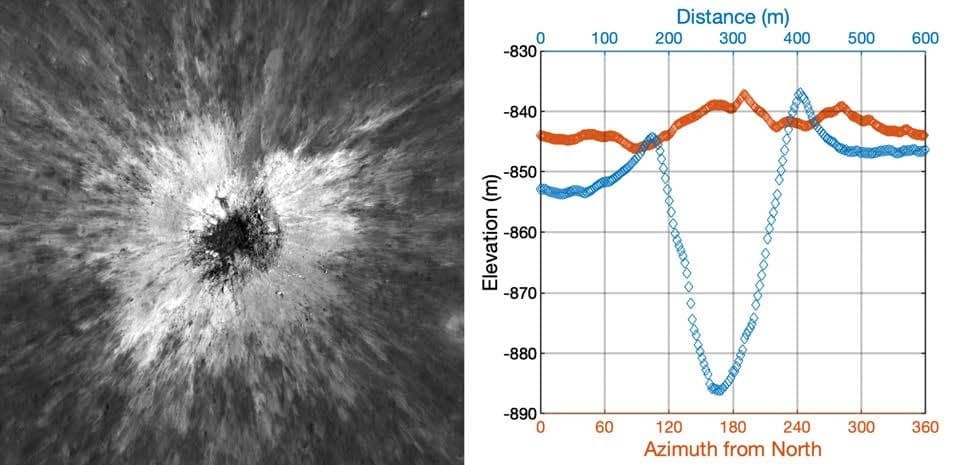
The newly found crater measures roughly 225 meters across, surpassing others recorded in the orbiter’s history. Mark Robinson shared the discovery on March 17 at the Lunar and Planetary Sciences Meeting held in Texas, estimating craters of this magnitude occur about once every 139 years.
Compared to earlier observations, where the first fresh impact marks were around 70 meters wide, this new crater represents a marked increase. Robinson pointed out that detecting a 100-meter crater was once an ambitious goal, but this latest finding significantly exceeds that size.
What the Crater’s Formation Reveals
The impact site is positioned where the moon’s rough highlands meet the smoother mare plains created by ancient volcanic lava flows. This helps explain the crater’s unique attributes.
Its depth is approximately 43 meters, with sharply inclined edges that suggest it formed in firm, cooled lava rock. Additionally, its somewhat stretched shape indicates varying underground layers, revealing that the subsurface terrain is uneven and complex.
Broader Effects Beyond the Crater
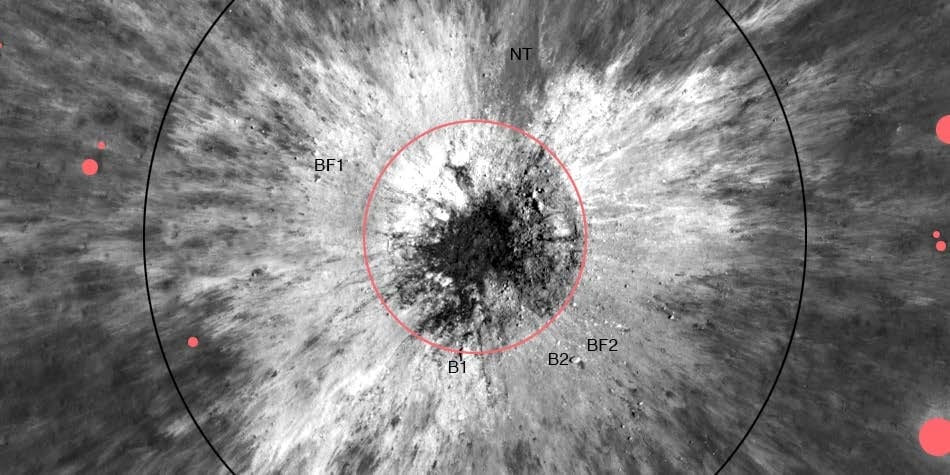
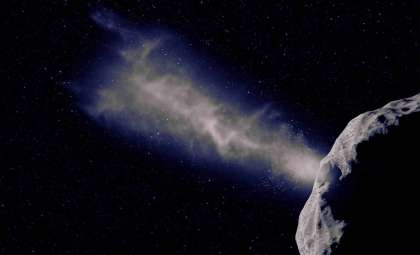
The impact produced more than just a cavity. A vivid layer of ejecta — debris blasted from the collision — blankets the area, extending hundreds of meters from the crater. According to detailed findings shared in a Universities Space Research Association (USRA) report, seismic disturbances connected to the impact were noticed up to 120 kilometers away.
These results carry important consequences. Robinson cautioned that ejecta can be propelled at velocities near a kilometer per second, meaning even distant pieces of material ejected remain a potential danger to lunar installations.
- Categories:
- Nasa








0 comments
Sign in to Comment