

The Interstellar Mapping and Acceleration Probe (IMAP) from NASA has successfully arrived at the first Sun-Earth Lagrange point (L1) after traveling over three months through space. Positioned at this gravitationally balanced spot, IMAP is set to investigate the heliosphere, the immense magnetic shield that defends our solar system from galactic cosmic rays.
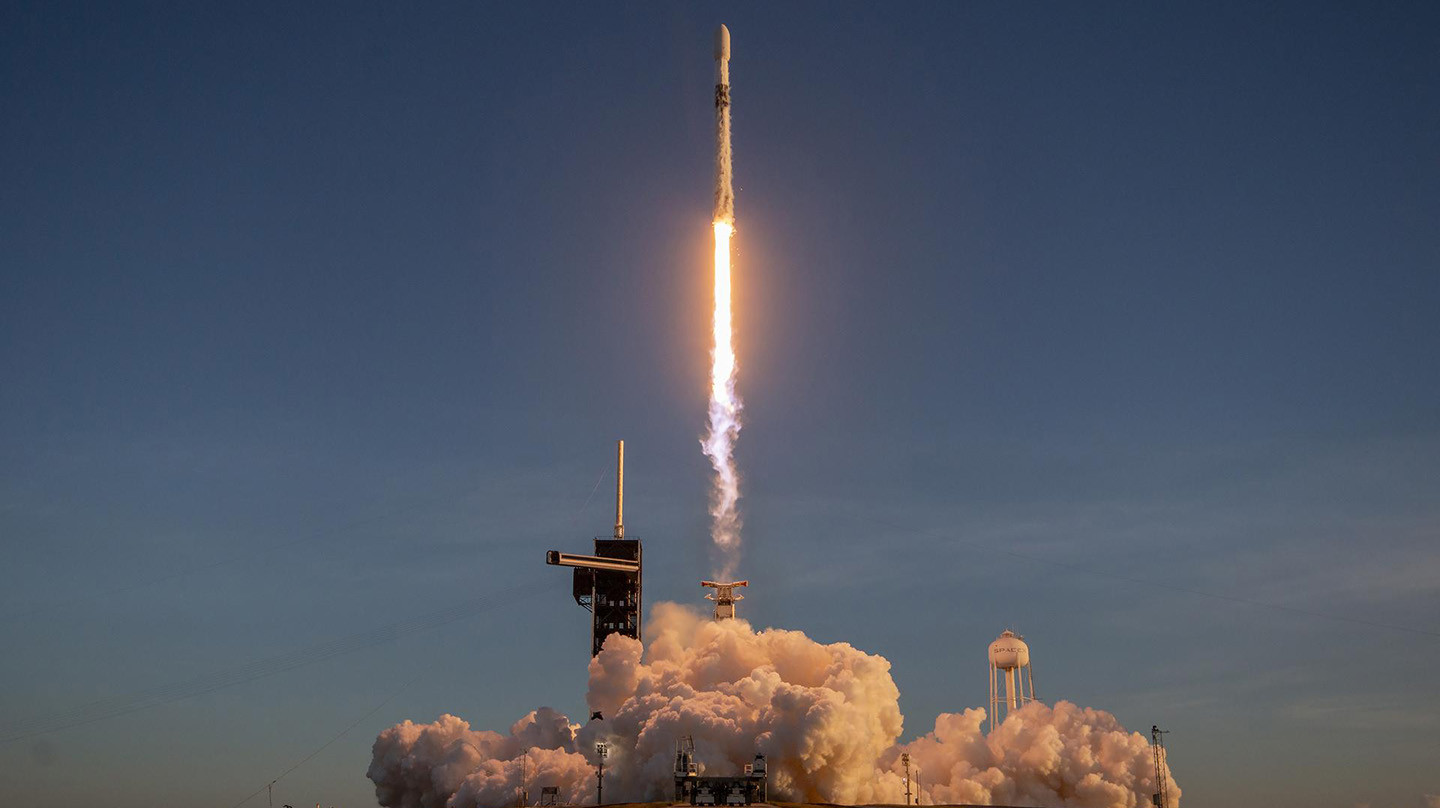
IMAP launched on September 24, 2025 aboard a SpaceX Falcon 9 rocket from the Kennedy Space Center and journeyed nearly 1 million miles sunward. Its arrival at L1 represents a major achievement for the mission team since this vantage point offers uninterrupted observation of solar and interstellar particles.
Precision Thrusters Secure IMAP’s Orbit
On January 10, 2026, controllers at the Mission Operations Center in Laurel, Maryland, confirmed that IMAP had completed its final orbital adjustment—a series of carefully timed thruster firings that positioned the probe in a stable orbit around L1, the gravitational equilibrium point between Earth and the Sun. The Johns Hopkins Applied Physics Laboratory notes this orbit is optimal for missions studying solar phenomena like IMAP.

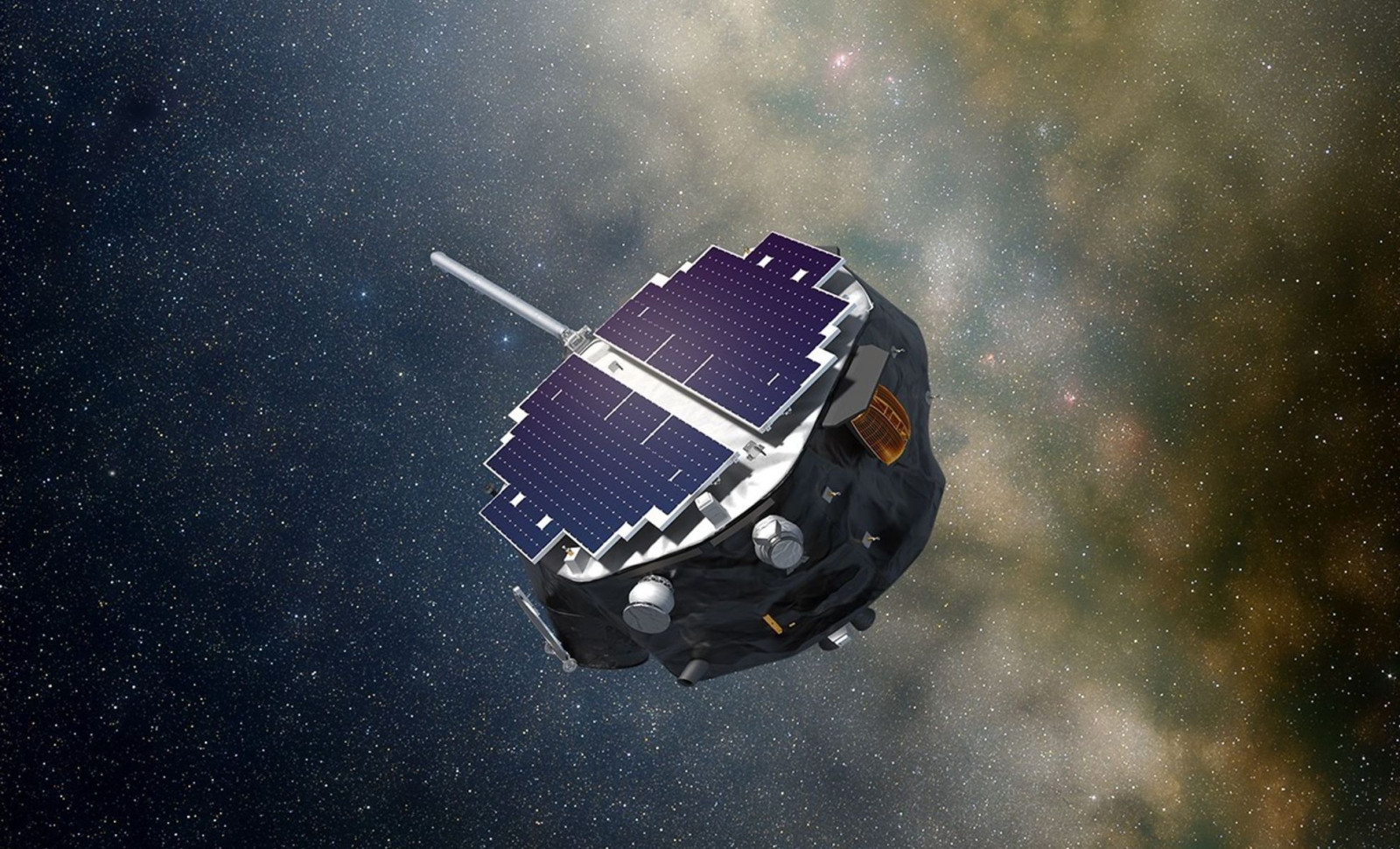
This milestone came after rigorous calibration and testing phases. During transit, IMAP’s suite of ten scientific instruments has been actively collecting data on solar wind, energetic neutral atoms, and interstellar dust. These preliminary observations provide early insight ahead of the full science operations slated to start on February 1.
Advanced Instruments to Reveal Hidden Structures
IMAP's payload is specifically designed to sample particles from both the solar wind and the local interstellar medium. This data will enable researchers to construct a dynamic 3D map of the heliosphere’s boundary. David McComas, a professor at Princeton University and the principal investigator, emphasizes this region’s importance in shielding our solar system from harmful cosmic rays.
A primary focus for the mission is studying energetic neutral atoms, particles generated at the heliosphere’s edge that travel inward toward the inner solar system. By tracing these particles, IMAP provides a remote imaging tool for a distant region otherwise inaccessible to direct measurement.
IMAP Enhances Space Weather Monitoring
Aside from its science goals, IMAP plays a vital role in improving space weather predictions. Its real-time measurements will feed into the IMAP Active Link for Real-Time (i-alirt) network, which aims to boost the precision and speed of solar storm forecasting. These forecasts are essential for protecting satellites, communication networks, electrical grids, and other technology from disruptive solar storms.
The systems and spacecraft were built and assembled by the APL, which managed the overall mission design and verification. Andy Driesman, head of civil space flight programs at APL, shared:
“We at APL are proud that we could leverage our space science and engineering capabilities, in partnership with others, to help bring IMAP to life and get it to this critical milestone,” he said. “Now comes the payoff. We’re excited to see the scientific insights that IMAP delivers, and how they’ll help us advance our understanding of the solar system, space weather, and its impact on our world.”
- Categories:
- Space












0 comments
Sign in to Comment