
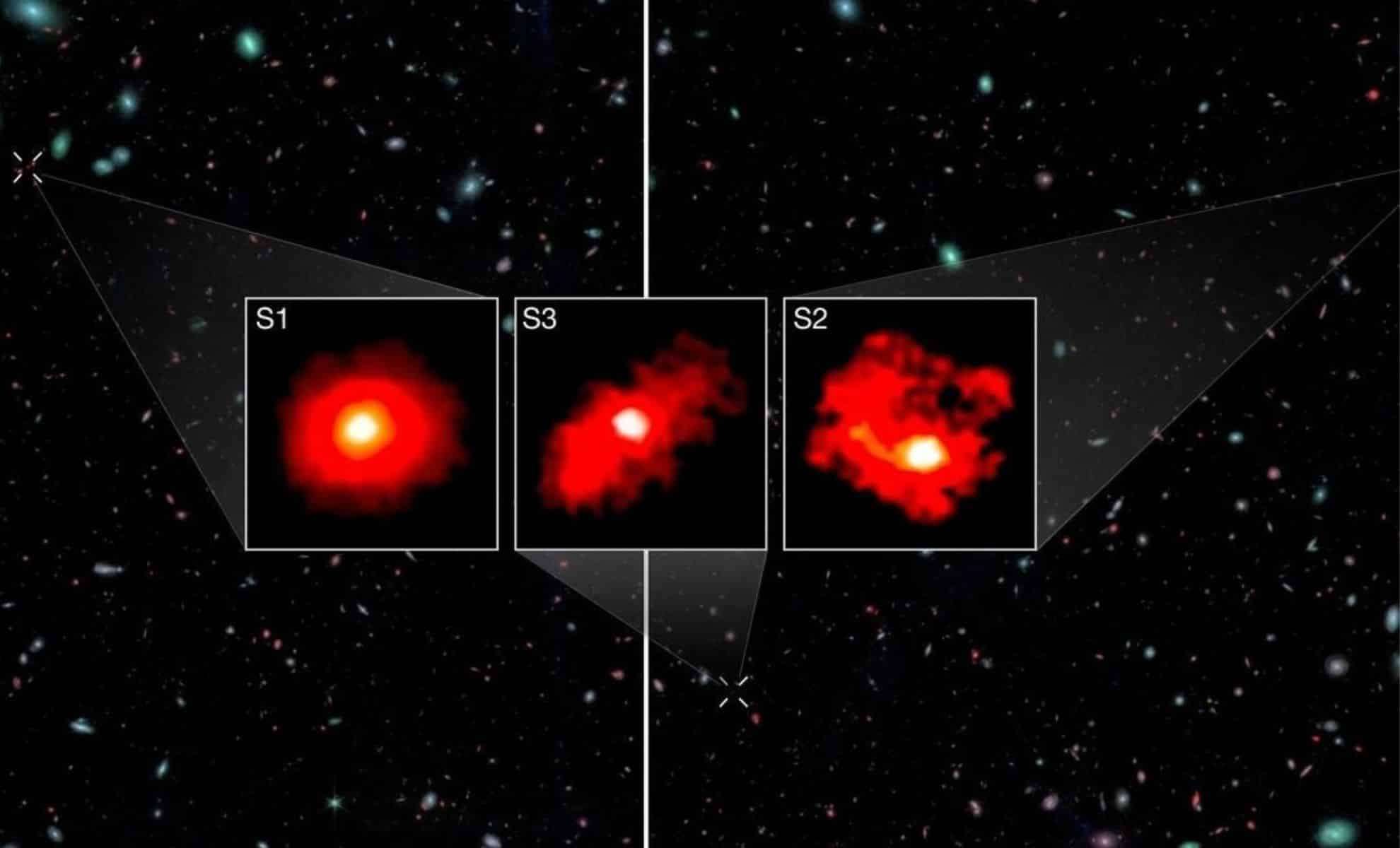
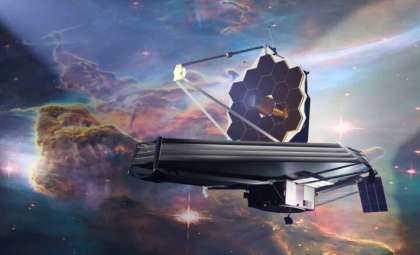
The James Webb Space Telescope (JWST) is revolutionizing our knowledge about the universe’s infancy. A breakthrough study has detected enormous, star-abundant galaxies dubbed “red giants,” defying earlier astronomical assumptions. These discoveries imply that galaxy formation and star production happened at much faster rates than once believed, ushering in a groundbreaking phase in cosmic research.
An unexpectedly dense early cosmos
Since beginning its mission, the JWST has revealed that the early universe contained 10 to 100 times more galaxies than scientists previously estimated. Remarkably, some of these galaxies are larger and more developed than expected for such an ancient epoch.
At one stage, astronomers even thought they encountered “impossible” galaxies—objects so massive that their existence contradicted known amounts of available matter. Further data analysis, however, showed these galaxies to be closer and therefore less massive than initially calculated.

A new report in Nature pushes the boundaries further by confirming that certain early galaxies expanded at star formation rates far exceeding predictions from conventional cosmological models.
The 'red giants': galaxies with extraordinary star formation
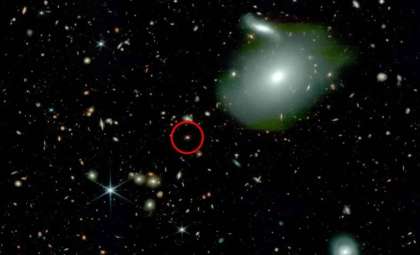
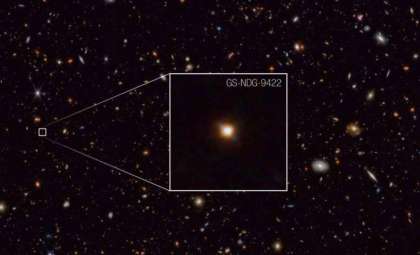
From a sample of 36 massive galaxies examined under the JWST’s Fresco survey, researchers pinpointed three exceptional galaxies referred to as “red giants.” These remarkable galaxies transformed nearly half of their available matter into stars, reaching star formation efficiencies approximately 500 times greater than that of our own Milky Way.
Study lead author and University of Geneva postdoc Mengyuan Xiao explains that such prolific star creation is unprecedented in early galaxies. “The red giants herald a new chapter in exploring the universe’s distant past,” she emphasizes.
Swift development and the puzzles ahead
How these galaxies amassed so much matter so rapidly remains an open question. David Elbaz, an astrophysicist at the CEA and co-author of the study, suggests these galaxies could reside in high-density cosmic environments, potentially the seeds of future galaxy clusters.
Several hypotheses could shed light on this rapid growth:
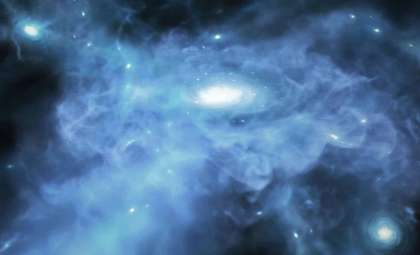
- Enhanced gas inflow: Cosmic filaments—massive strands of matter linking galaxies—may have funneled gas more efficiently into these galaxies during the universe’s early stages.
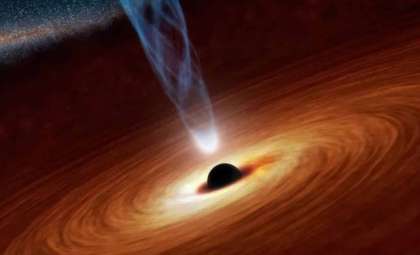
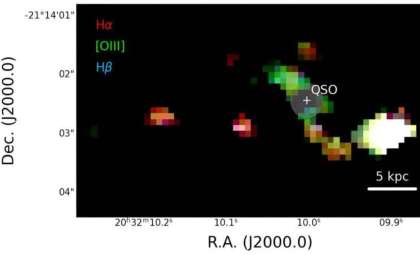
- Role of supermassive black holes: These extremely active black holes, common in the early universe, might have compressed nearby gas, spurring accelerated star birth.
Yet no single explanation fully accounts for these observations. “Current models still fall short of reproducing such structured conditions so early in cosmic history,” acknowledges David Elbaz. To decode this enigma fully, astronomers need extensive follow-up observations alongside sophisticated simulations to improve theoretical frameworks.
- Categories:
- Astronomy ,
- Space


0 comments
Sign in to Comment