
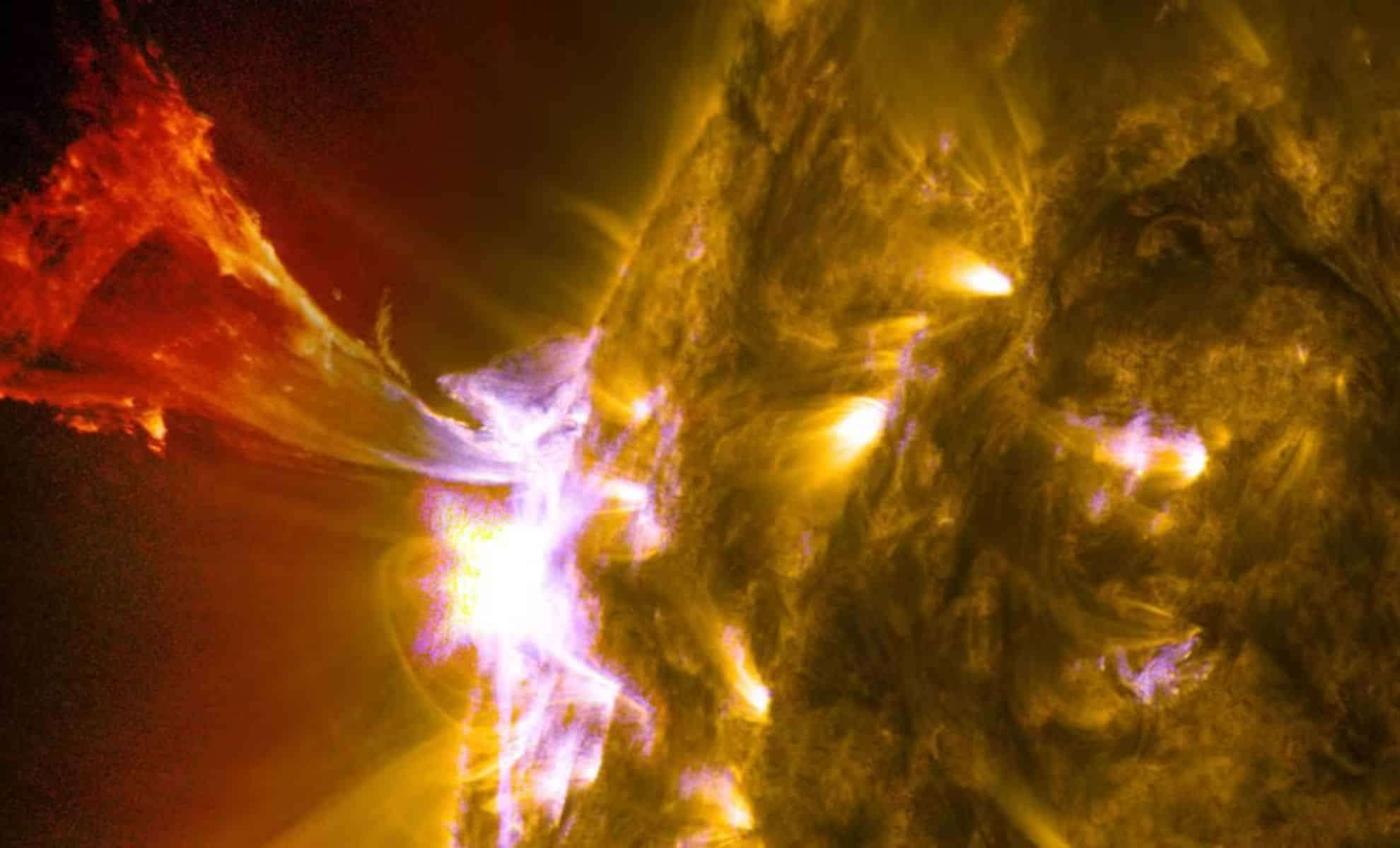
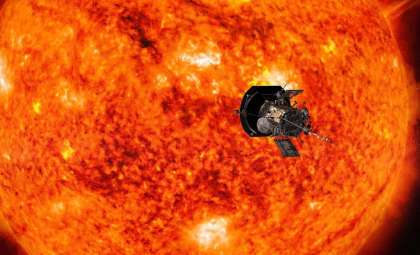
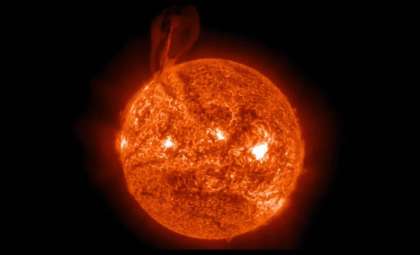
NASA’s Parker Solar Probe has unveiled a remarkable insight into a magnetic eruption occurring in the Sun’s atmosphere. Detailed in an article The Astrophysical Journal Letters, this breakthrough offers a fresh perspective on solar wind dynamics and their impact on space weather. Notably, the probe captured for the first time a plasma jet streaming toward the Sun’s surface, providing essential information that could enhance forecasting of geomagnetic disturbances affecting Earth.
Decoding Magnetic Reconnection Events
At the heart of this discovery lies the phenomenon of magnetic reconnection, a powerful process where the Sun’s twisted magnetic fields snap and reconnect, unleashing immense energy. Positioned uniquely between the Sun and the particle source, the Parker Solar Probe enabled scientists to observe these events with unmatched accuracy. Magnetic reconnection drives the acceleration of the solar wind — a perpetual flow of charged solar particles — and is crucial in releasing energetic particles into space.
Lead author Mihir Desai, from the Southwest Research Institute’s Department of Space Research, emphasized, “These findings indicate that magnetic reconnection… is an important source of energetic particles in the near-Sun solar wind. Everywhere there are magnetic fields there will be magnetic reconnection. But the Sun’s magnetic fields are much stronger near the star, so there’s a lot more stored energy to be released.” Gaining this knowledge is key for refining models of space weather.

The Role of Magnetic Fields in Solar Dynamics
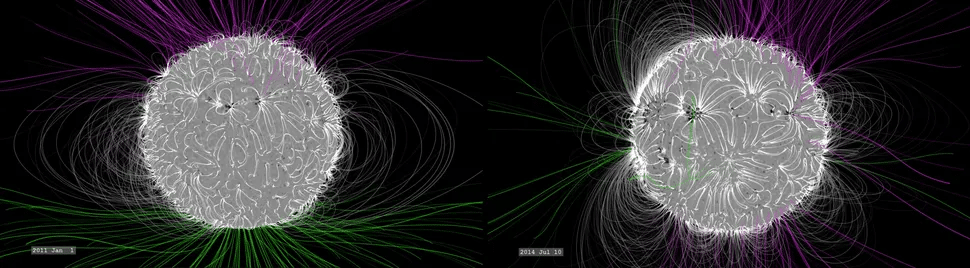
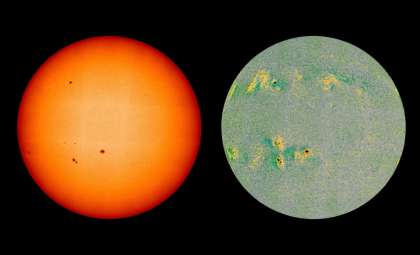
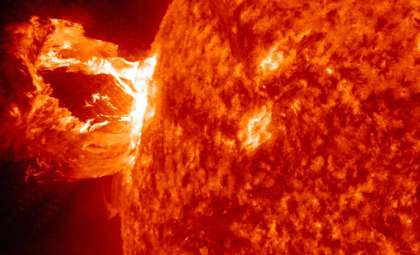
The Sun’s magnetic field is extensive and intricately complex, especially close to its surface where the activity intensifies. As Parker Solar Probe ventures further into the Sun’s corona, researchers are unlocking unprecedented insights into the mechanisms fueling solar flares and coronal mass ejections. The evolving magnetic field is central to these phenomena and drives much of the Sun’s turbulent activity.
Comprehending how these magnetic fields fracture and reconnect to release energy profoundly influences our understanding not only of space weather but also of the Sun’s wider effects on the solar system. Desai noted, “The Sun’s magnetic fields are much stronger near the star, so there’s a lot more stored energy to be released.” When this energy is unleashed, it accelerates particles, triggering potent solar storms that can impact satellite networks, communication systems, and astronaut safety.
Earth’s Vulnerability: Why Enhancing Space Weather Forecasting Matters
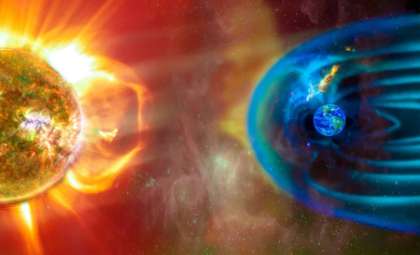
Although space weather might seem distant, its consequences can be immediate and wide-ranging. Geomagnetic storms stemming from intense solar activity, like that detected by the Parker Solar Probe, have the potential to disrupt vital Earth-based technologies. These storms can harm satellites, degrade GPS accuracy, and even lead to large-scale power outages.
In May 2024, solar disturbances severely impacted GPS-dependent navigation systems crucial for agricultural operations. The disruptions hindered precision farming techniques like planting, fertilizing, and harvesting, resulting in estimated losses reaching $500 million in potential revenue. As Desai explained, “Reports from the American Meteorological Society indicated that the powerful solar events in May 2024 wreaked havoc with farmers when extreme geomagnetic storms disrupted the precise GPS-guided navigation systems used to plant, fertilize, and harvest rows of seeds.”
This highlights why the data collected by Parker Solar Probe is invaluable. “Parker’s access to this new data is critical, particularly as we remain in the midst of a very active solar cycle.” With solar activity climbing to unprecedented levels, this information is crucial for developing more reliable forecasts to better protect Earth-based technologies.
- Categories:
- News





0 comments
Sign in to Comment