
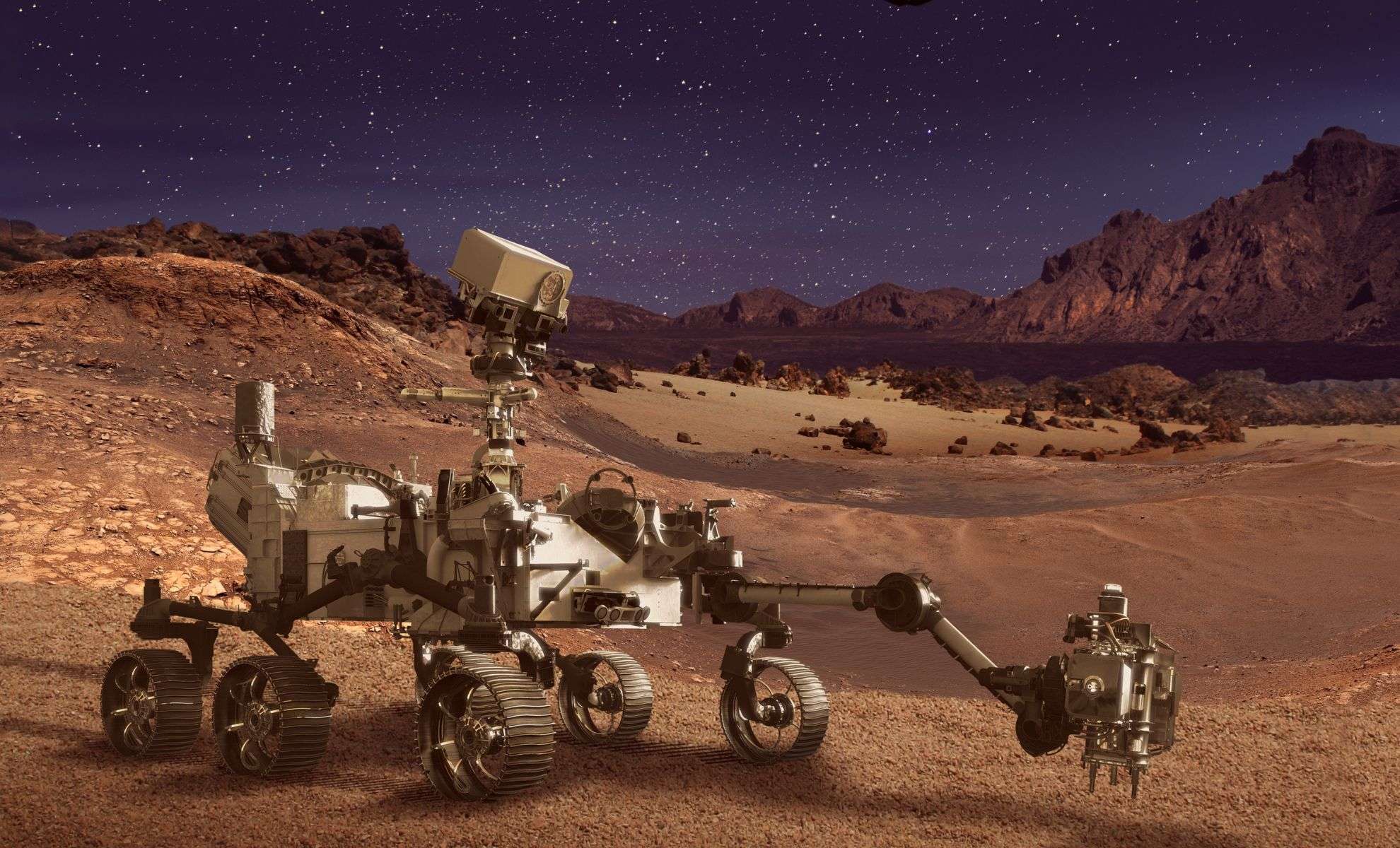
The Perseverance rover has transmitted an exceptional, ultra-clear image of Mars, revealing a sweeping panoramic vista unlike any captured before. This detailed mosaic was assembled from 96 distinct photos taken on May 26, 2025, from the Martian region known as “Falbreen.” Beyond its visual appeal, the image offers scientists a rich source of geological data to better understand the Red Planet’s surface.
The remarkable clarity owes much to the rover’s Mastcam-Z camera system, which benefited from Mars’ unusually clear, dust-free atmosphere at the time of capture. Such pristine conditions allowed scientists to observe a wide range of terrain features with unprecedented sharpness. This image is a valuable scientific tool as researchers analyze Mars’ geological past and explore its potential to have supported life.
Revealing Mars’ Geological Mysteries
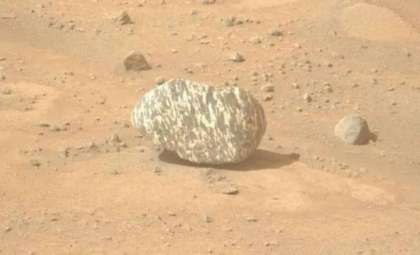
A key element in this panorama is a "float rock" positioned close to Perseverance, roughly 14 feet away. This substantial boulder appears to have traveled from its origin, possibly carried by natural phenomena such as wind, water flow, or landslides.

Jim Bell, lead scientist for Mastcam-Z at Arizona State University, explains that studying this rock’s displacement provides important insights into the environmental forces that have molded Mars over billions of years.
“The relatively dust-free skies provide a clear view of the surrounding terrain. And in this particular mosaic, we have enhanced the color contrast, which accentuates the differences in the terrain and sky.”
Besides the float rock, the panorama reveals other geological characteristics such as distinct sand ripples and mountainous formations visible approximately 40 miles from the rover’s position. Understanding these features supports ongoing efforts to pinpoint future exploration sites and enhances knowledge of Mars’ erosional history.
Perseverance’s Role in Unveiling Mars’ Past Life Potential
The rover’s ongoing mission focuses on collecting rock and soil samples that might hold clues about ancient microbial life on Mars. As part of NASA’s Mars 2020 initiative, Perseverance carries sophisticated instruments designed to drill into Martian rocks and gather specimens for analysis back on Earth. It is thought that in the distant past, Mars harbored flowing rivers and lakes, creating conditions suitable for life’s emergence.
In the latest panoramic image, small abrasions made by the rover’s drill—known as “abrasion patches”—are visible. One patch near the photo’s center-left spans just a few inches. Scientists are particularly focused on the Falbreen site, which may contain some of the oldest surface formations encountered by Perseverance, potentially predating even the Jezero Crater where the rover initially touched down in 2021.
Charting the Road Ahead for Perseverance
With such a high-resolution depiction of its surroundings, mission planners can now select optimal targets for further investigation, enabling Perseverance to navigate toward scientifically rich locations. The examination of the float rock and adjacent terrain will help map its movement history and reveal insights into Mars’ geological evolution.
This mission is also instrumental in laying the groundwork for NASA’s ambitions to send humans to Mars. Sean Duffy, the acting NASA administrator, highlighted that the captivating views captured by Perseverance foreshadow what future astronauts might witness firsthand. The Artemis program, currently focused on returning humans to the Moon, represents a critical precursor to eventual human exploration of the Red Planet, with data from Perseverance guiding those efforts.
- Categories:
- News








0 comments
Sign in to Comment