
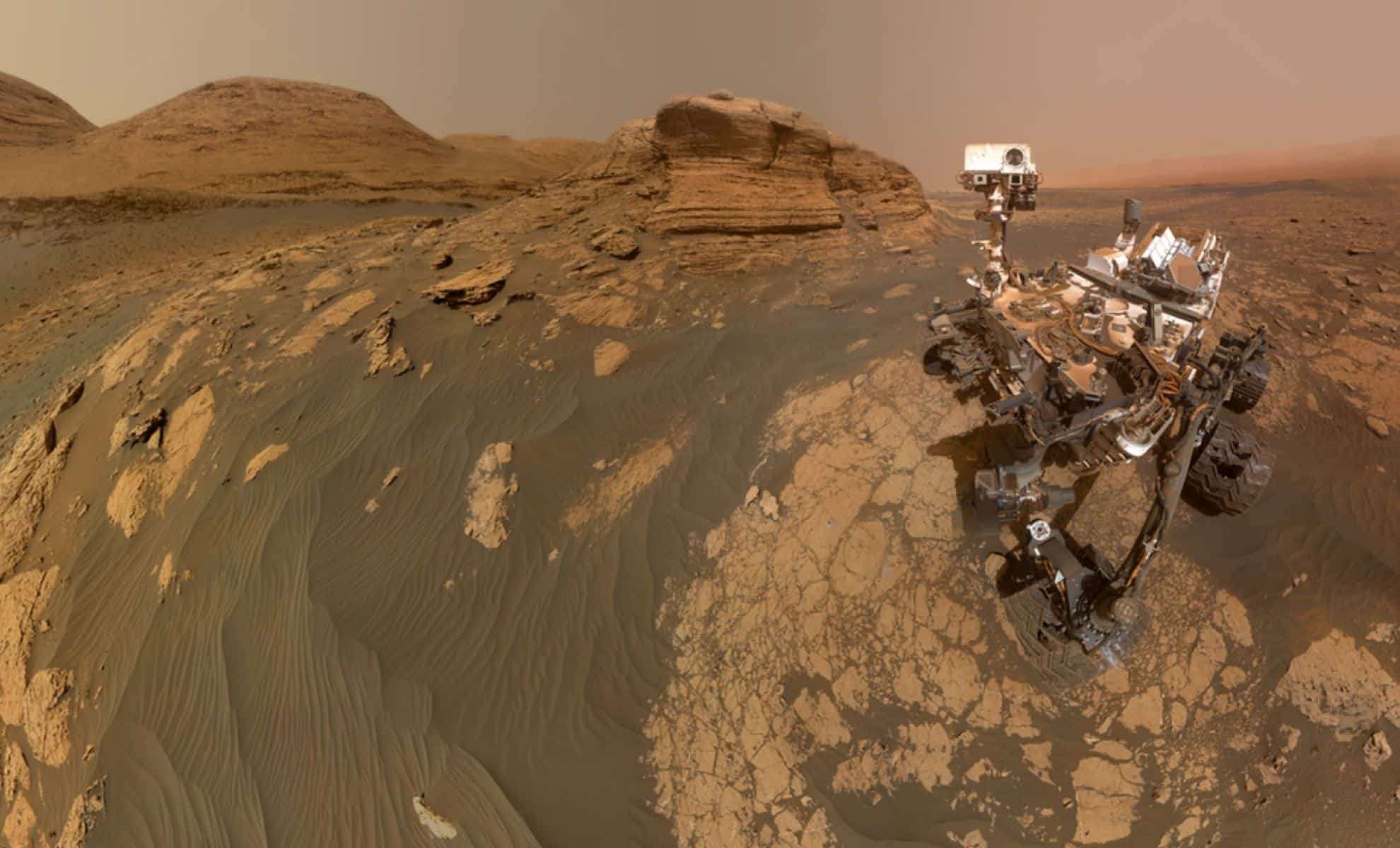
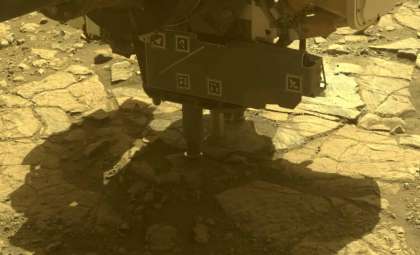
NASA’s Curiosity rover has revealed an intriguing geological feature on Mars that adds complexity to our understanding of the Red Planet. While exploring the foothills of Mount Sharp within Gale Crater, the rover captured an image showcasing a striking lattice of raised ridges etched into the Martian surface. Researchers are referring to this formation as “boxwork terrain”, which, though reminiscent of a spiderweb, signals a far more intricate geological narrative.
Detailed in NASA’s recently shared update on Space.com on September 19, this discovery has sparked renewed discussions among scientists. The delicate-appearing pattern might be more than a random occurrence, potentially holding important evidence about Mars’ ancient hydrological processes and its capacity to host life in the distant past.
Stone Lattices: Nature’s Ancient Signature
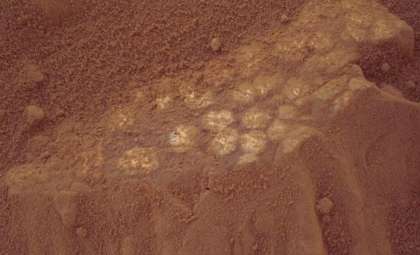
The photograph, taken close to the foot of Mount Sharp, which towers approximately 5.5 kilometers above Gale Crater’s floor, reveals a complex array of subtle ridges interlacing the terrain like a woven fabric. While these formations may appear faint from orbit, their sharp contrast with the smoother ground surfaces becomes evident up close, captivating NASA’s geologic team.

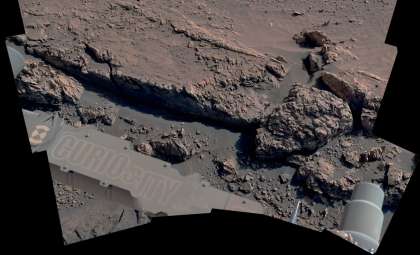
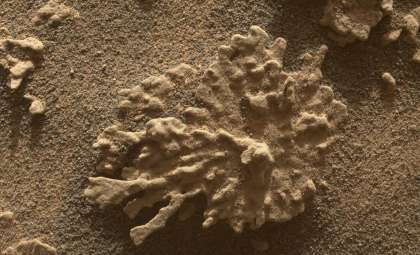
What sets this boxwork apart is not just its visual intricacy but its probable formation mechanism. Mission scientists propose that billions of years ago, mineral-laden fluids flowed into fractures within the bedrock and solidified. As time passed, erosional forces removed the surrounding softer rock, leaving behind a network of robust mineral veins that create this delicate stone lattice.
Echoes of Mars’ Ancient Watery Past
Gale Crater has proven to be a treasure trove for understanding Mars’ past environments. This vast impact site is believed to have once hosted lakes and flowing rivers, especially during the planet’s earlier epochs. Since arriving there in 2012, Curiosity has been steadily ascending Mount Sharp, studying the stratified rock layers to reconstruct Mars’ geological history.
This newly observed boxwork formation reinforces the notion that liquid water significantly influenced the region’s geology. The evidence points to persistent water activity capable of mobilizing and depositing minerals, altering the composition of the rock over extended periods.
The seemingly random, maze-like ridges may actually preserve a chemical footprint from ancient Martian processes. These mineral-filled fractures might have created microenvironments conducive to early microbial life forms, although such conclusions remain to be confirmed.
While these ideas are still speculative, each discovery by Curiosity sharpens our vision of Mars’ primordial landscape and raises compelling questions about its potential past inhabitants.
Curiosity’s Shadow and Its Geological Gift
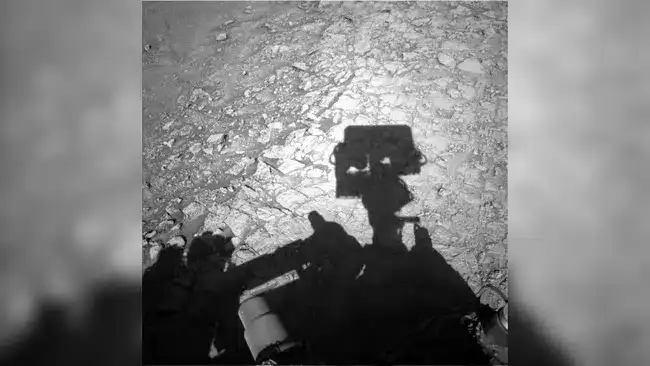
There is a poetic element in the imagery as Curiosity’s elongated shadow stretches across the boxwork terrain, almost as if pointing out this remarkable find. It symbolizes the rover’s ongoing role in unveiling Mars’ secrets to observers on Earth.
From orbit, such formations may seem insignificant; but it takes ground-level exploration—whether by wheels or footsteps—to discern the subtle complexities of Martian geology. Curiosity, despite newer missions gaining attention, continues to provide invaluable data. More than a decade after its touchdown, the rover is still traversing, investigating, and revealing insights into the ancient history of a planet just beginning to yield its mysteries.
As Curiosity advances further up Mount Sharp, each newly encountered geological feature contributes another chapter to Mars’ ancient story. Whether these chapters will disclose evidence of past life remains uncertain, but discoveries like this keep the scientific quest vibrant and ongoing.
- Categories:
- News





0 comments
Sign in to Comment