
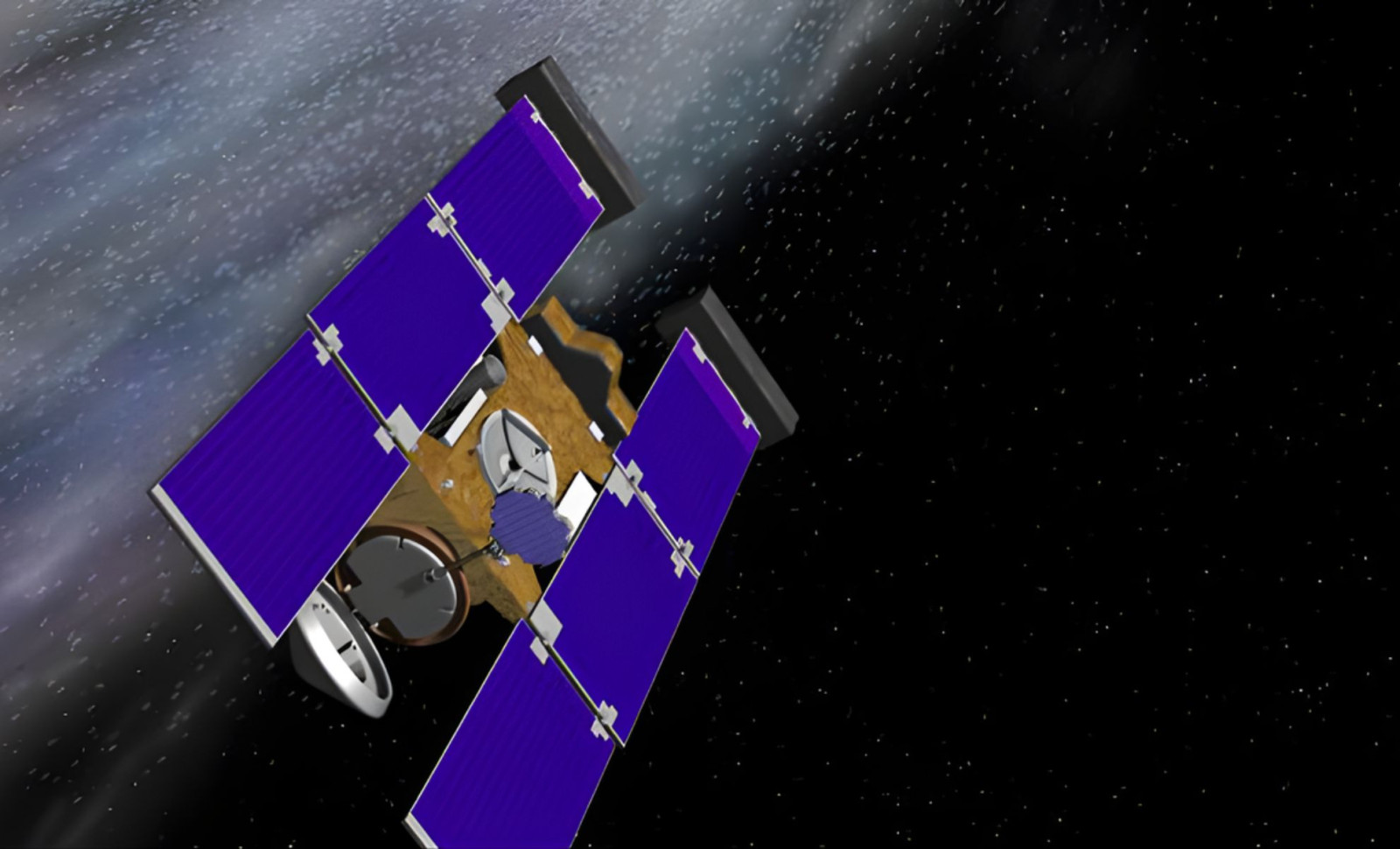
Back in 2006, NASA’s Stardust mission achieved a historic first by returning tangible samples from beyond the Moon’s orbit. These included interstellar dust as well as fragments from a comet’s coma.
Although it started quietly, the mission ultimately yielded pioneering insights. Tasked with gathering material from Comet Wild 2 and interstellar space, Stardust was part of NASA’s Discovery Program—a series of cost-effective missions with targeted scientific goals. Despite its relatively small scope, the mission pushed the boundaries of sample return methods and deep-space navigation.
Capturing Cosmic Dust Using Aerogel and Precision Timing
Launched on February 7, 1999, Stardust orbited the Sun and then utilized Earth’s gravity one year later to adjust its trajectory toward its initial target. En route, the spacecraft flew past the asteroid Annefrank, a planned event designed to test onboard instruments and course corrections.

The spacecraft featured collector panels coated with aerogel, a lightweight silica material capable of gently trapping fast-moving particles without altering their structure. According to NASA, this method safeguarded the shape and chemical makeup of dust captured during close passes through dusty environments.
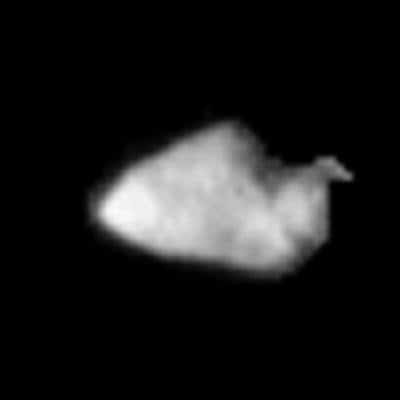
In 2002, Stardust passed within 3,300 kilometers of Annefrank, taking pictures that revealed the asteroid was around 8 kilometers long—double earlier estimates. On January 2, 2004, the craft performed its closest approach to Comet Wild 2, coming within 250 kilometers of the nucleus. The sample collector was deployed just ahead of this encounter and sealed six hours afterward, storing the collected material safely for its return journey two years later.
Significance of Collecting Interstellar Particles
Reporting from NASA confirmed that the sample return capsule separated from the spacecraft and landed successfully at the Utah Test and Training Range on January 15, 2006. This achievement marked the very first retrieval of material from beyond the Moon, a landmark moment in space exploration.
Over several years of examination, by August 2014 scientists identified seven tiny interstellar dust particles among the return cargo. These rare grains are believed to have originated from outside our solar system and could date to its earliest days. The discovery also included numerous organic molecules, hinting at the solar system’s primordial chemical richness important to life’s beginnings.
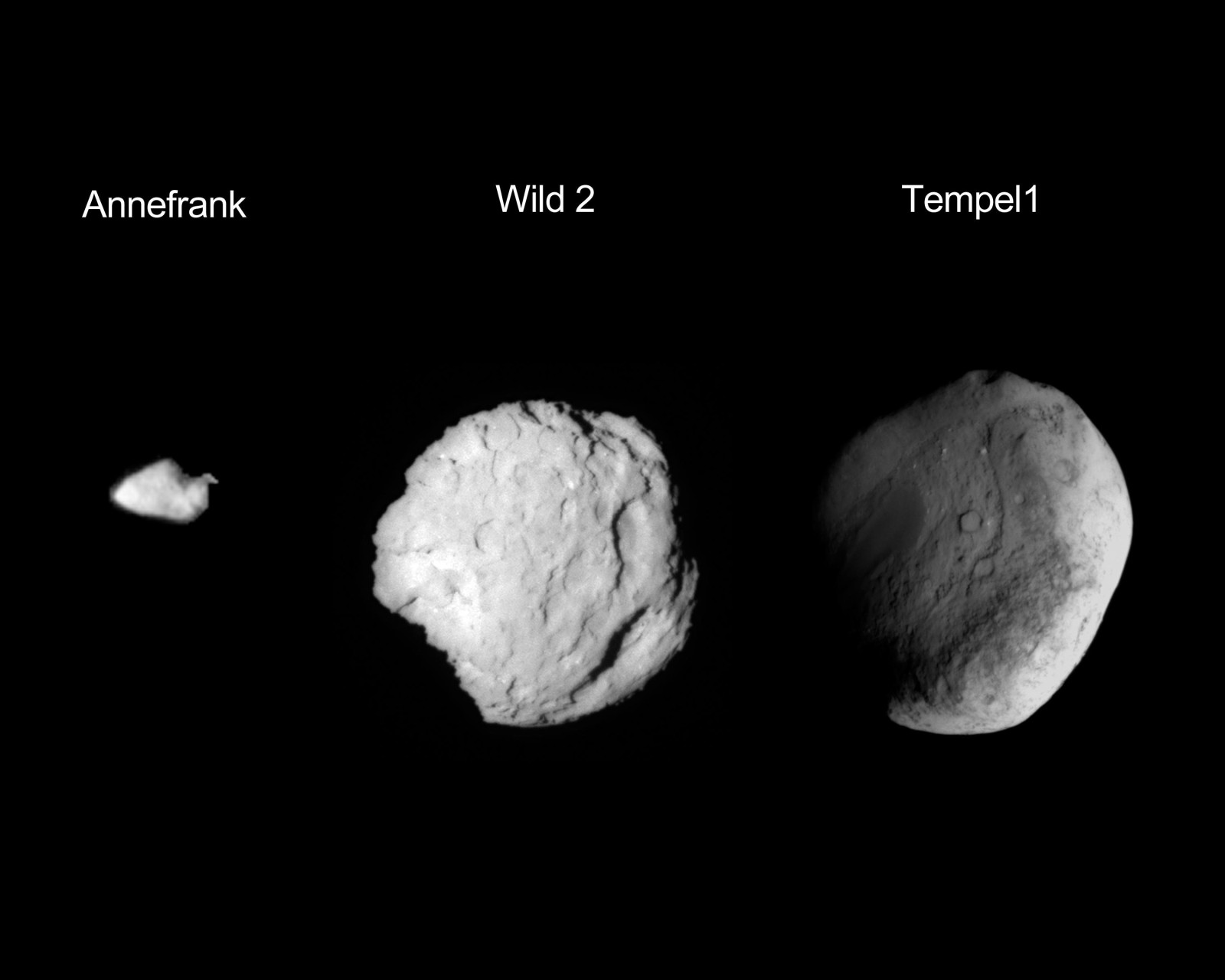
These remarkable results highlighted the mission’s importance and demonstrated the value of physically bringing samples back for study versus relying solely on remote or direct-in-space measurements.
Extending the Mission: Revisiting Comet Tempel 1
Following the initial success, NASA reassigned Stardust to a secondary mission called Stardust/NExT. This extension targeted Comet Tempel 1, previously impacted by NASA’s Deep Impact probe. In February 2011, the spacecraft successfully captured images of the crater created by the earlier collision, offering unprecedented before-and-after perspectives on a comet’s surface.
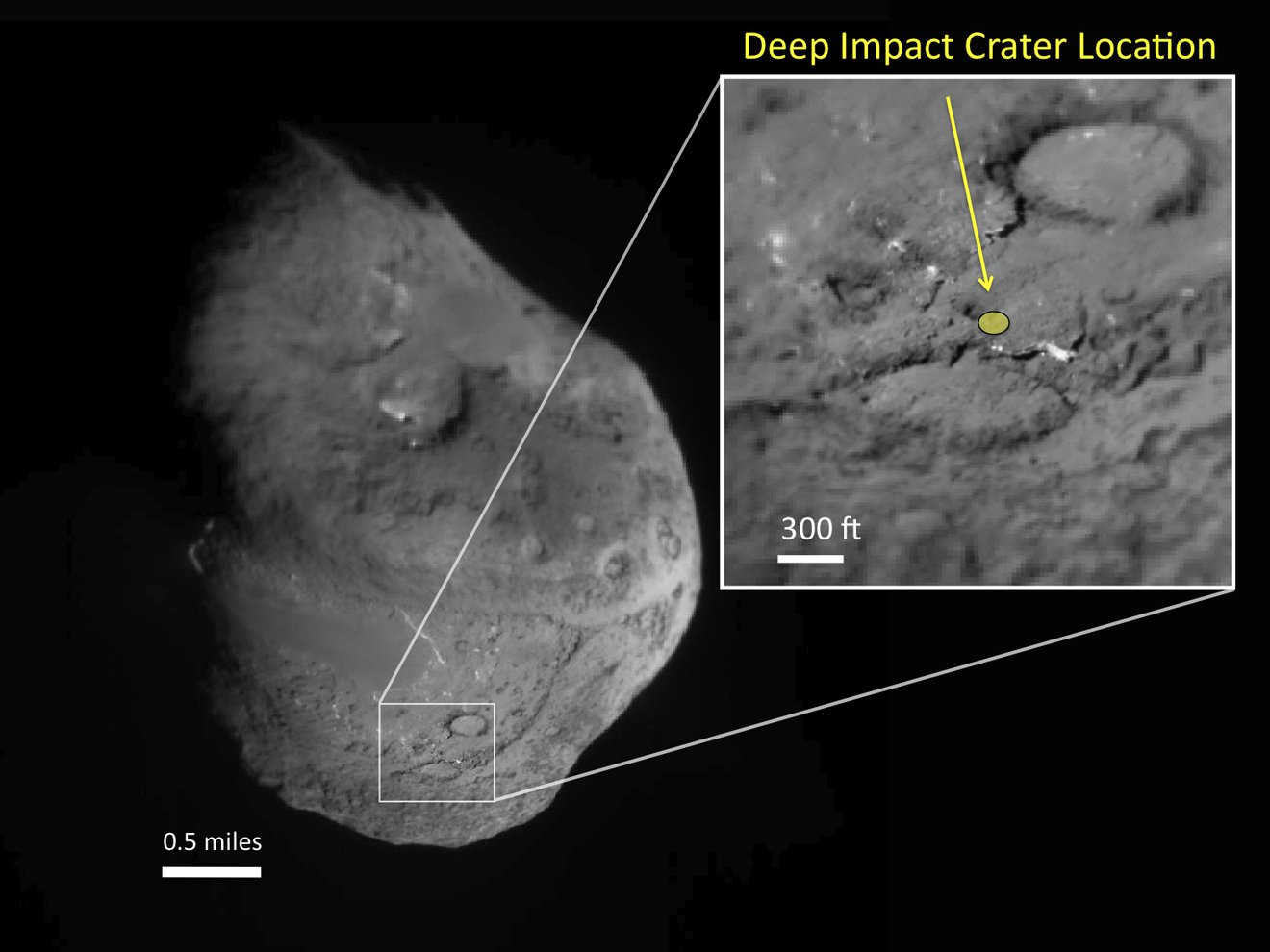
Pete Schultz at Brown University described the crater’s features, noting a small mound at its center which suggested material ejected during impact had largely settled back into the depression.
“We see a crater with a small mound in the center, and it appears that some of the ejecta went up and came right back down,” he said “This tells us this cometary nucleus is fragile and weak based on how subdued the crater is we see today.”
This additional exploration made Stardust the first spacecraft to revisit a comet it had previously studied, further cementing its unique role in comet research. The mission concluded with its final communication on March 24, 2011, after exhausting all remaining fuel and being officially retired.
- Categories:
- Space




0 comments
Sign in to Comment