
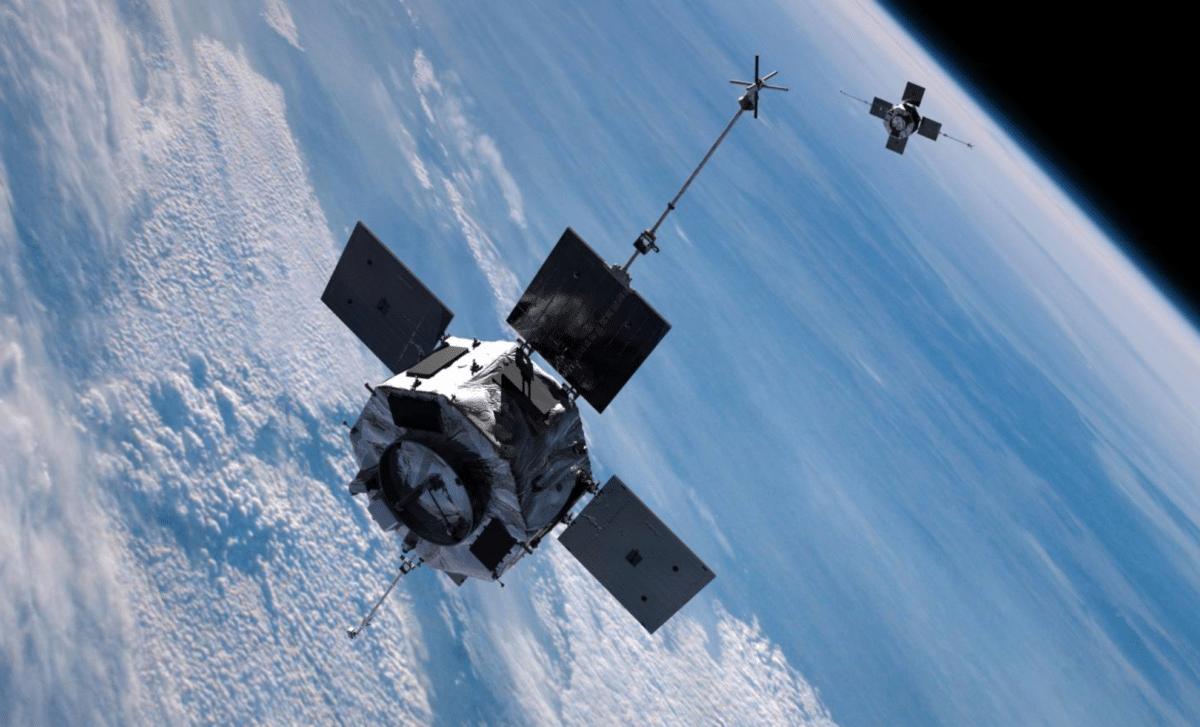
NASA’s Van Allen Probe A is concluding its nearly 14-year mission orbiting Earth, where it has extensively studied the planet’s radiation belts. Originally deployed in 2012 with a planned lifespan of only two years, the spacecraft’s mission was extended several times due to its ongoing scientific value. On March 10, the probe is projected to reenter Earth’s atmosphere and ultimately descend back to the planet’s surface. While the majority of the probe will vaporize upon reentry, its scientific contributions to our understanding of space weather and technological impacts remain significant. This article delves into the probe’s mission achievements, its anticipated atmospheric return, and the legacy it leaves behind.
Van Allen Probe A: Surpassing Mission Expectations
The Van Allen Probes, launched in August 2012, were tasked with exploring Earth’s radiation belts, complex zones of charged particles that influence satellites and terrestrial technologies. Although initially designed for a mere two-year mission, the probes’ remarkable performance extended their operational life far beyond original estimates. By 2019, both the Van Allen Probe A and its counterpart, Probe B, had extensively outlived their expected durability.
NASA initially viewed this project as a short-term study; however, the extended presence allowed scientists to monitor the belts over much longer durations. These radiation belts are essential in understanding solar phenomena that may disrupt communication networks and electrical grids on Earth. The probes exemplified not only scientific breakthroughs but also showcased the resilience of spacecraft engineering. Their prolonged operation enabled detailed observations during heightened solar events, enhancing space weather prediction capabilities.

What to Expect During Van Allen Probe A’s Reentry
As NASA’s Van Allen Probe A approaches its final chapter, reentry is slated for March 10. The return to Earth’s atmosphere, although routine for retired spacecraft, marks the conclusion of an invaluable mission. NASA anticipates that most of the probe will incinerate upon atmospheric entry, but some fragments may survive the intense heat and pressure.
NASA emphasizes the extremely low risk of any harm from reentry debris, estimating the likelihood of injury to be about 1 in 4,200. Additionally, since nearly 70% of Earth’s surface is covered by oceans, any surviving pieces are most likely to fall into water rather than populated areas. The space agency continues to closely monitor the event and promises timely updates as new information arises.
How the Van Allen Probes Enhanced Space Weather Forecasting
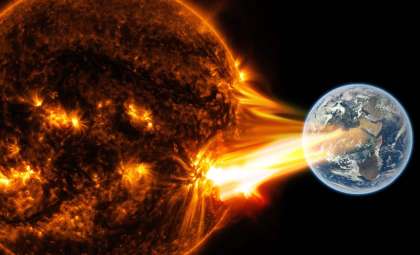
The main purpose of the Van Allen Probes was to investigate the radiation belts enveloping Earth. These belts, composed of energetic charged particles, play a crucial role in space weather — solar-driven phenomena that can disrupt satellite communications, navigation systems, and terrestrial power grids. Through continuous observation of the belts, NASA has advanced the science of predicting these space weather effects and understanding their potential consequences.
“By reviewing archived data from the mission, scientists study the radiation belts surrounding Earth, which are key to predicting how solar activity impacts satellites, astronauts, and even systems on Earth such as communications, navigation, and power grids,” NASA officials explained in a recent update.
The probes’ continuous tracking of the belts also refined the models used to forecast when and how solar activity will affect our technological infrastructure. This lasting achievement underscores the essential role of long-term scientific missions in protecting modern technology from space weather hazards.
The Van Allen Probes’ Enduring Influence on Space Science
Though the Van Allen Probes are nearing mission completion, the wealth of data they have amassed will support scientific work for many years. Their research has propelled forward our understanding of space weather and its interactions with Earth’s systems. NASA plans to incorporate these insights into the design and operation of future spacecraft and satellites.
The probes exemplify the benefits of extended-duration space missions, which deliver crucial data about Earth’s space environment. As technology and exploration ambitions advance, the findings from the Van Allen Probes will remain pivotal in enhancing space weather readiness for society’s growing reliance on space-based assets.
Monitoring Reentry and Advancing Space Debris Solutions
The upcoming reentry of Van Allen Probe A highlights space debris challenges faced by NASA and other space agencies. With an increasing number of satellites in orbit, collision risks and debris accumulation are major concerns. Efforts continue to improve tracking capabilities and develop safe deorbiting technologies for defunct spacecraft.
Van Allen Probe A’s atmospheric return reinforces the importance of careful debris management. By tracking and managing spacecraft end-of-life scenarios, NASA safeguards public safety and gathers data that helps shape the design of future missions. This event models best practices for minimizing risks from space debris while maximizing scientific returns.
- Categories:
- News









0 comments
Sign in to Comment