
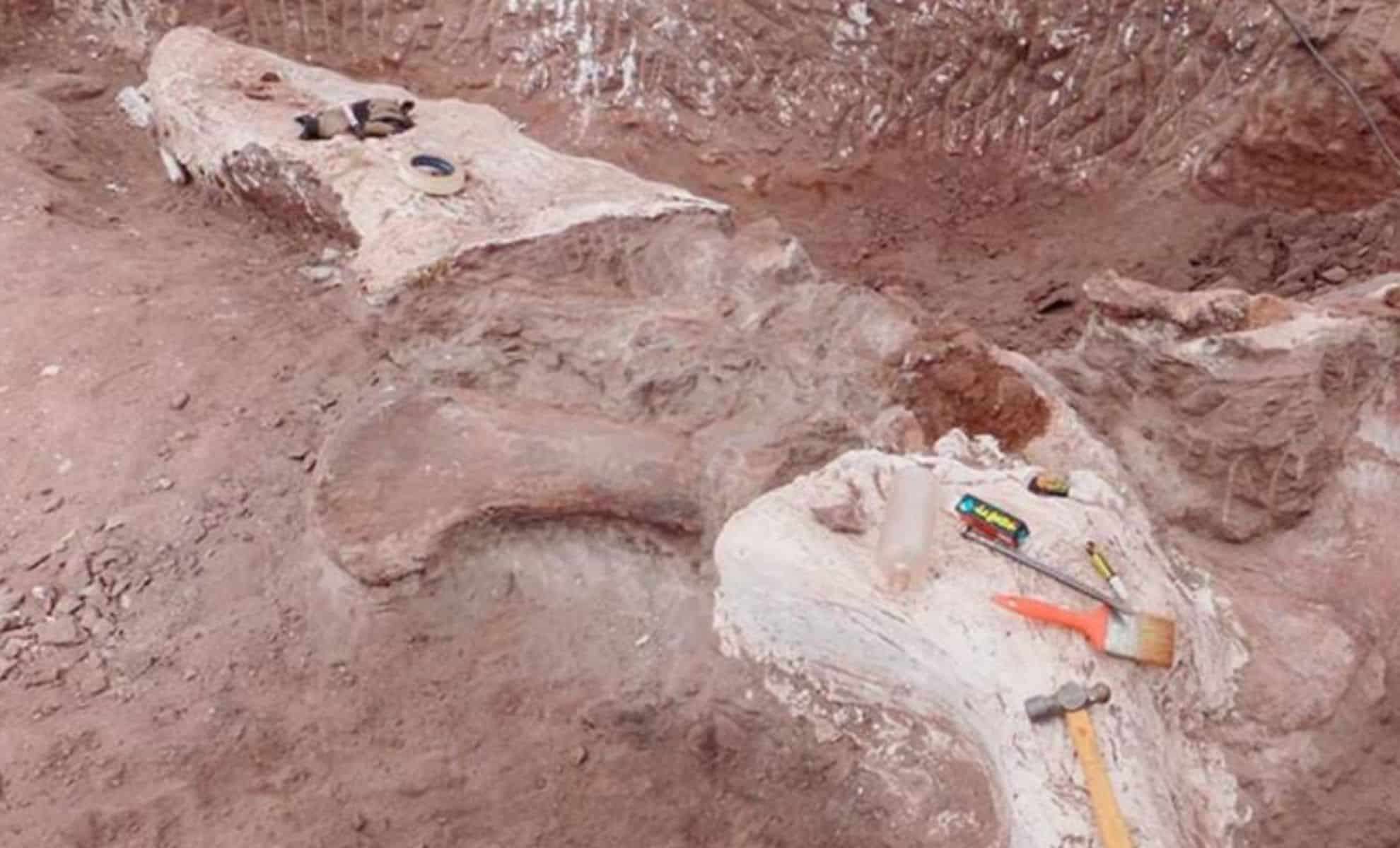
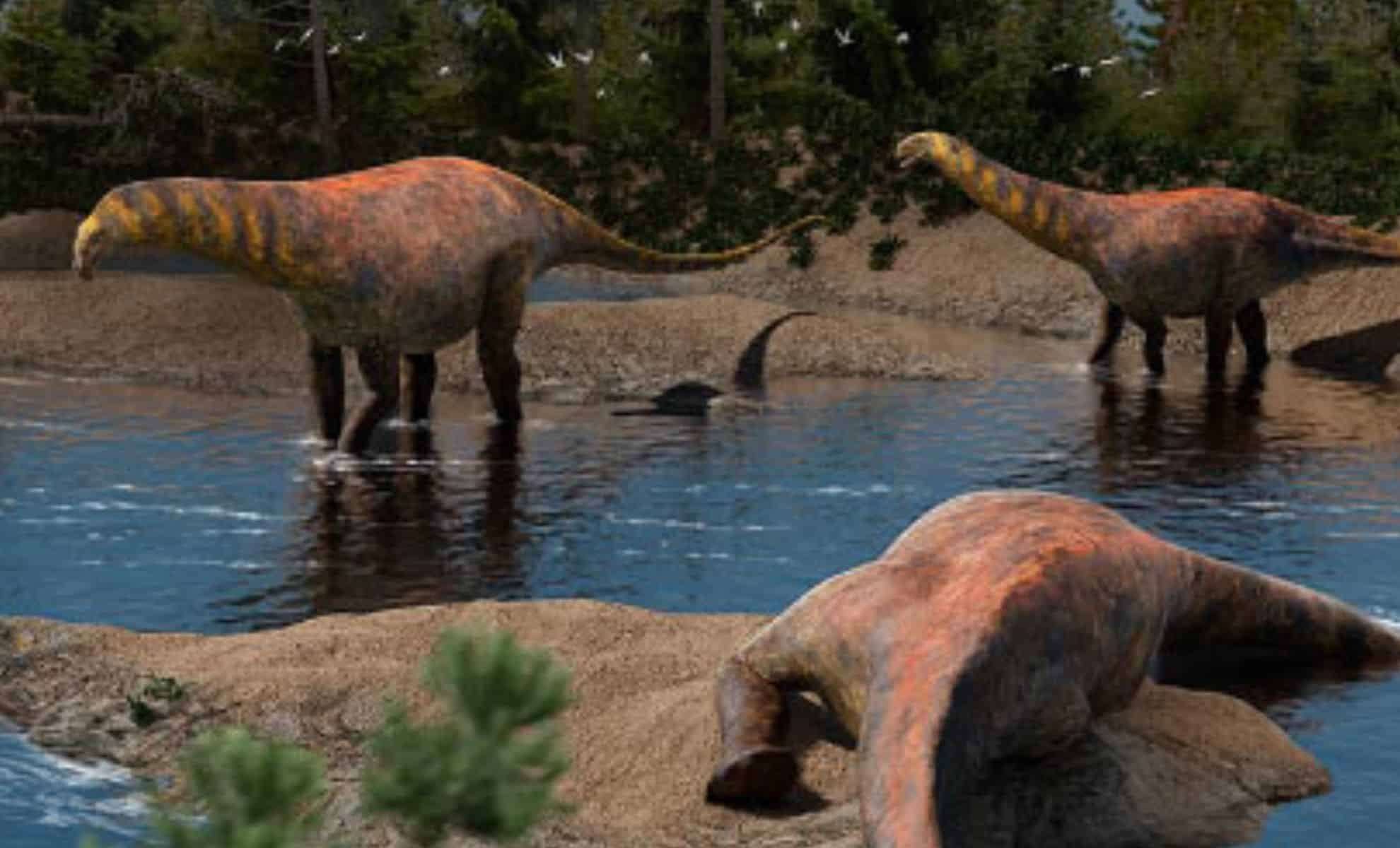
Scientists working in Patagonia, Argentina, have identified a new species of dinosaur that roamed the Earth around 95 million years ago. Dubbed Astigmasaura genuflexa, this enormous herbivore stretched close to 60 feet and weighed upwards of 10 tons, representing one of the final members of the Rebbachisauridae lineage before their extinction roughly 90 million years ago.
The findings are published in the journal Cretaceous Research by Flavio Bellardini et al., under the paper titled Side by side with titans: A new rebbachisaurid dinosaur from the Huincul Formation (upper Cenomanian) of Patagonia, Argentina.
An Unexpected Discovery
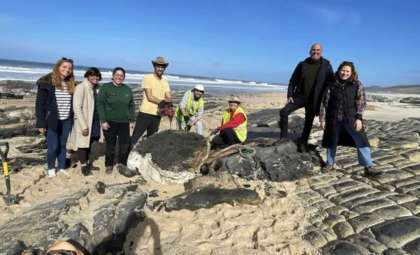
The journey to uncover Astigmasaura genuflexa began in 2017 following an accidental oil find in the Neuquén Basin, prompting digs within the lower strata of the Huincul Formation. At the El Orejano site, excavators uncovered the dinosaur’s fossilized remains embedded in sediment filled with sand and clay deposited by an ancient river system.

According to paleontologist Flavio Bellardini of CONICET, “the fossils, transported by gentle water currents, became stranded on a sandbar,” preserving the remains over tens of millions of years. The river likely carried away the dinosaur’s front half, leaving its hind sections intact beneath layers of sediment.
Unveiling the Dinosaur’s Unique Structure
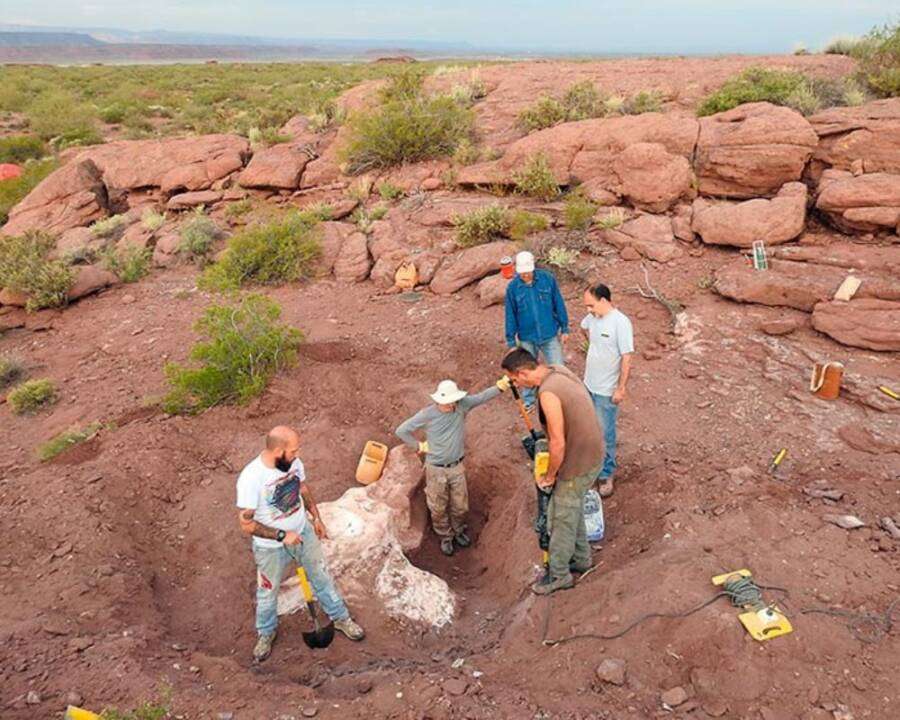
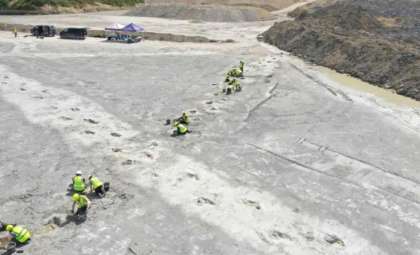
The unearthed fossils include the rear part of an articulated postcranial skeleton from an adult-sized individual, marking the first recorded find of the hindquarters of a rebbachisaurid dinosaur. Excavation spanned five field campaigns over more than a month, utilizing tools from chisels to jackhammers and rock saws.
Some bones, weighing in excess of a ton, were carefully wrapped in gypsum and burlap before being lifted onto trucks with the aid of a tripod and winch. Subsequent laboratory analysis revealed 20 caudal vertebrae, 19 haemal arches, both ischia, the pubis, part of the ilium, both femurs, tibias, fibulas, two astragali, and nearly complete feet.
Distinct anatomical traits verified this was a new species, distinguished from other sauropods. The fossil’s articulated condition, with bones connected as they were in life, provides paleontologists with crucial data for understanding its body form and posture.
Insights Into Gondwana’s Dinosaur Evolution
This discovery holds particular importance because the details of the tail and pelvic bones of rebbachisaurids have remained elusive until now. Astigmasaura genuflexa adds valuable morphological data, broadening knowledge about the diversity of this group in their later evolutionary stages.
Rebbachisaurids, medium-to-large diplodocoid sauropods, fed indiscriminately on low-lying vegetation and flourished across the supercontinent Gondwana. Patagonia alone has yielded over half of all discovered rebbachisaurid fossils, including the earliest and latest known species.
As highlighted by the researchers, “this new finding enriches current knowledge of the caudal and pelvic girdle anatomy of Rebbachisauridae, previously poorly understood, and indicates a higher degree of taxonomic diversity within the family during the final phases of their evolutionary timeline than was previously recognized.”
- Categories:
- News

0 comments
Sign in to Comment