
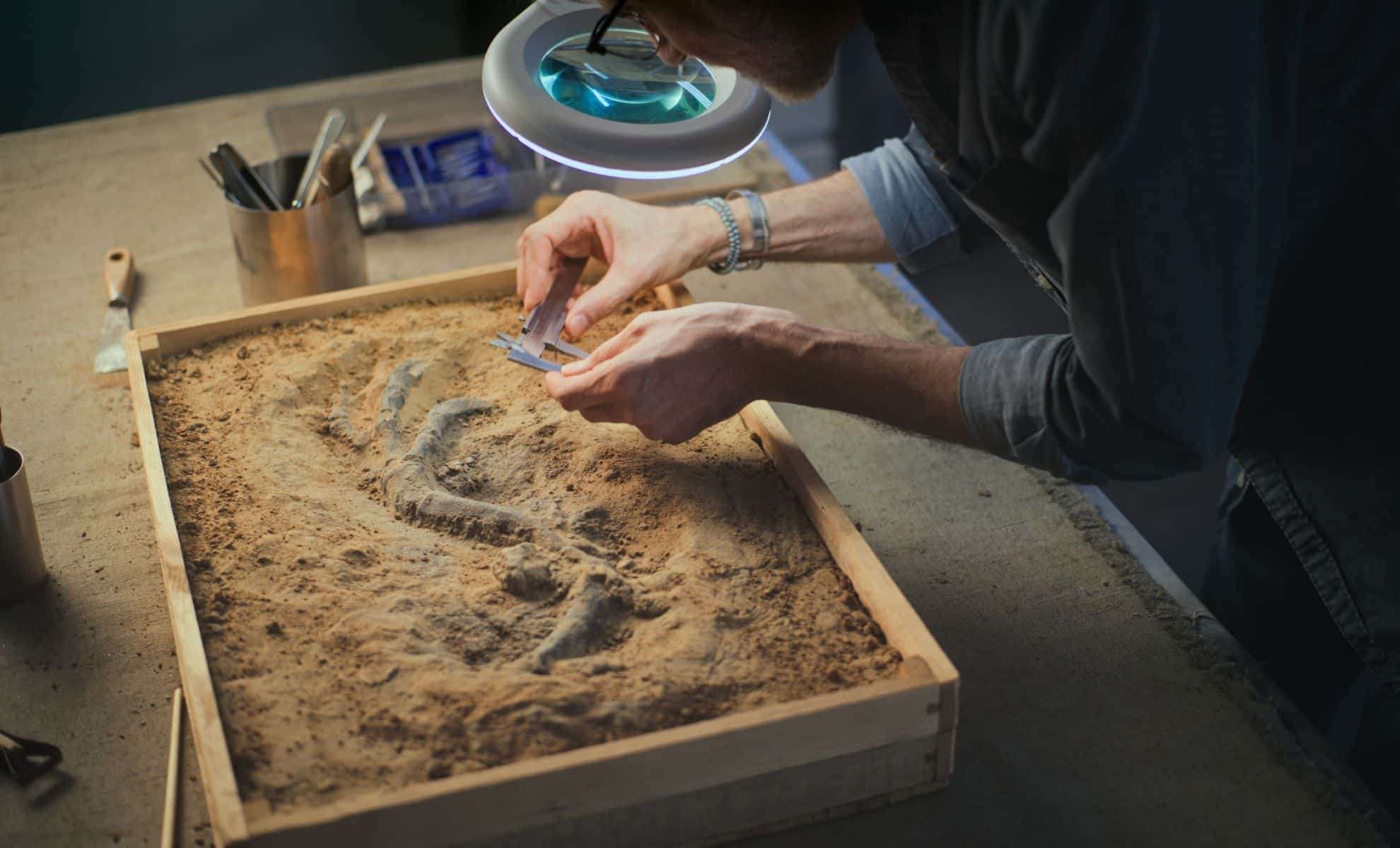
During a standard geothermal energy investigation at the Denver Museum of Nature & Science, researchers made an extraordinary paleontological breakthrough. Buried 763 feet beneath the museum’s parking area, they uncovered a dinosaur fossil estimated to be about 67.5 million years old. This fossil is the oldest and deepest yet found in the Denver region.
A Surprising Find Nearly 800 Feet Underground
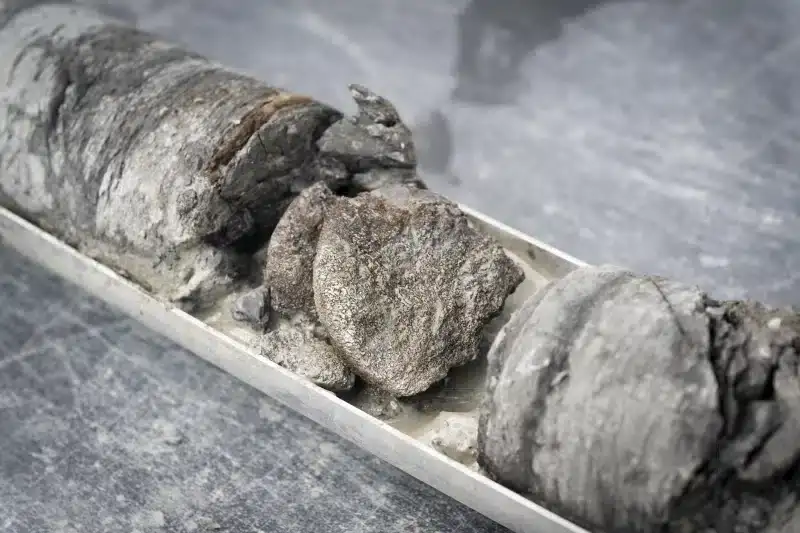
The discovery happened unexpectedly amid the museum’s plan to shift from natural gas to geothermal power. The drilling, originally intended to analyze the Denver Basin geology, extracted a narrow core sample that astonishingly contained a partial vertebra belonging to a herbivorous dinosaur.
The museum reports that this fossil dates to the late Cretaceous era, roughly 1.5 million years before the mass extinction that ended the age of dinosaurs. While the drilling primarily focused on energy, integrating scientific coring alongside it ultimately revealed this rare fossil.

An Exceptionally Rare Fossil Discovery
James Hagadorn, the museum’s geology curator, highlighted the extraordinary nature of the find: “Unearthing a dinosaur bone in a core sample is like scoring a hole-in-one on the Moon. It’s akin to winning a golden ticket to Willy Wonka’s factory — truly fantastic and exceedingly uncommon.”
Globally, only two comparable core sample fossils are documented, and neither originated beneath a museum devoted to dinosaurs, according to the museum.
The fossil was accompanied by preserved ancient plant remains, revealing that this site was once a swampy, verdant landscape. It suggests the dinosaur inhabited a warm, lush habitat toward the close of the Cretaceous.
Limited Clues About the Dinosaur’s Species
Although the vertebra fragment provides a fascinating connection to prehistoric times, researchers have limited information for identifying the exact species. Patrick O’Connor, curator of vertebrate paleontology, noted the contextual environment but stopped short of pinpointing the dinosaur.
Erin LaCount, education director at Dinosaur Ridge, speculated that the bone might belong to a small plant-eating dinosaur such as a duck-billed species or a thescelosaurus. Still, the fragment is too incomplete to confirm any specific species.
Mixed Reactions From the Scientific Community
Not all experts share equal enthusiasm about this finding. Thomas Williamson from the New Mexico Museum of Natural History & Science recognized the unexpected discovery but downplayed its broader scientific impact. “It’s surprising, but scientifically, it’s not overly significant,” he commented to the Associated Press.
Regardless, the fossil has been showcased in the museum’s Discovering Teen Rex exhibit, allowing the public to inspect it up close. Hagadorn jokingly expressed a wish to excavate the entire parking lot for more fossils—though he acknowledged, “That’s unlikely, since parking is needed.”
- Categories:
- News



0 comments
Sign in to Comment