
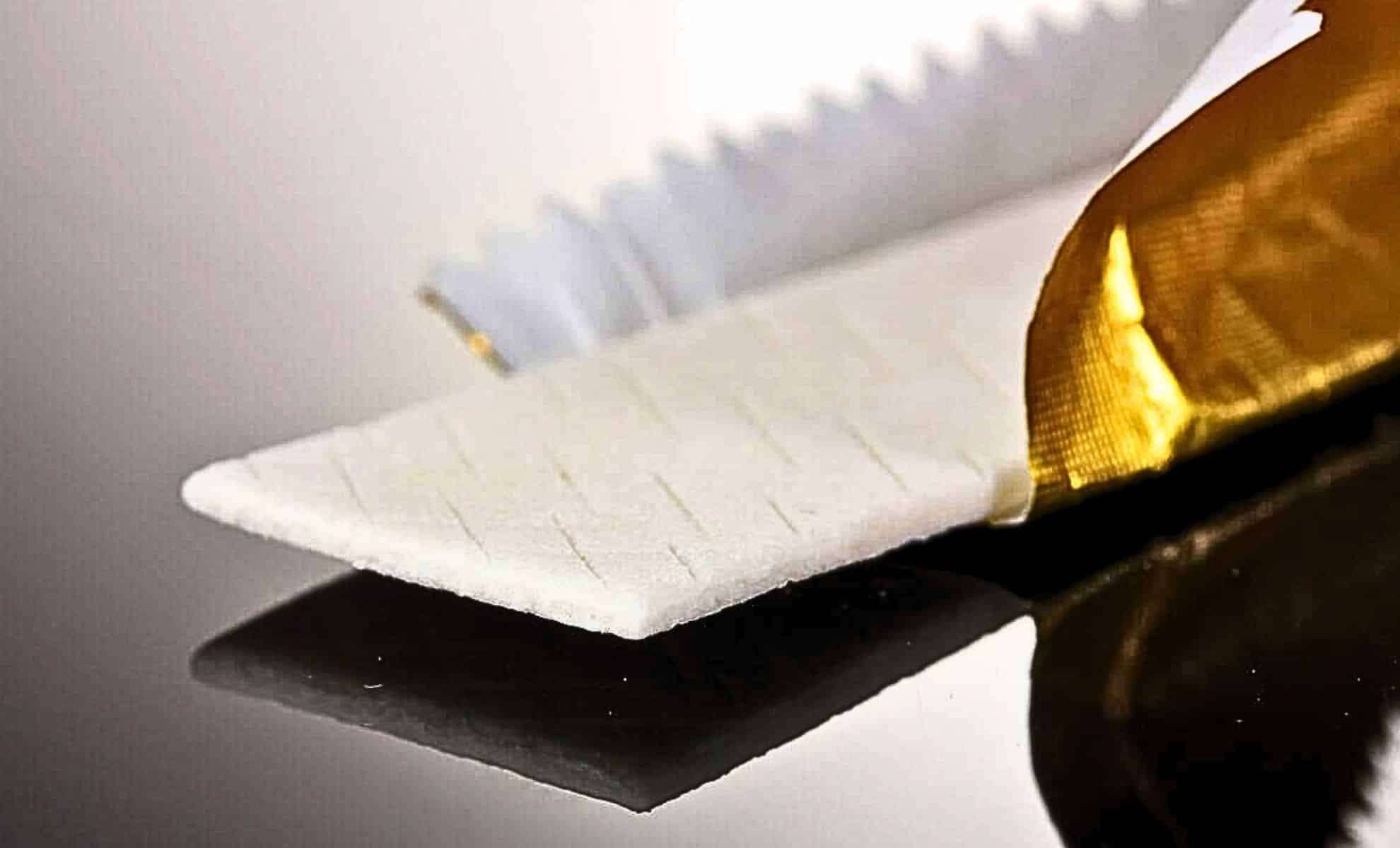
Researchers at the University of Pennsylvania have introduced an innovative chewing gum capable of substantially lowering the spread of influenza and herpes simplex virus infections. This breakthrough offers an affordable and easily accessible strategy to combat two widespread viral infections. The gum is crafted from Lablab purpureus, commonly called lablab beans, incorporating a natural antiviral protein known as FRIL.
Reducing Virus Levels Where It Matters Most
Led by Henry Daniell, W.D. Miller Professor at Penn’s School of Dental Medicine, this study, featured in Molecular Therapy, expands on earlier successful research where a similar gum targeted SARS-CoV-2. That previous formula, now in clinical trials, demonstrated over 95% reduction of the virus in saliva and nasal samples from COVID-19 patients.
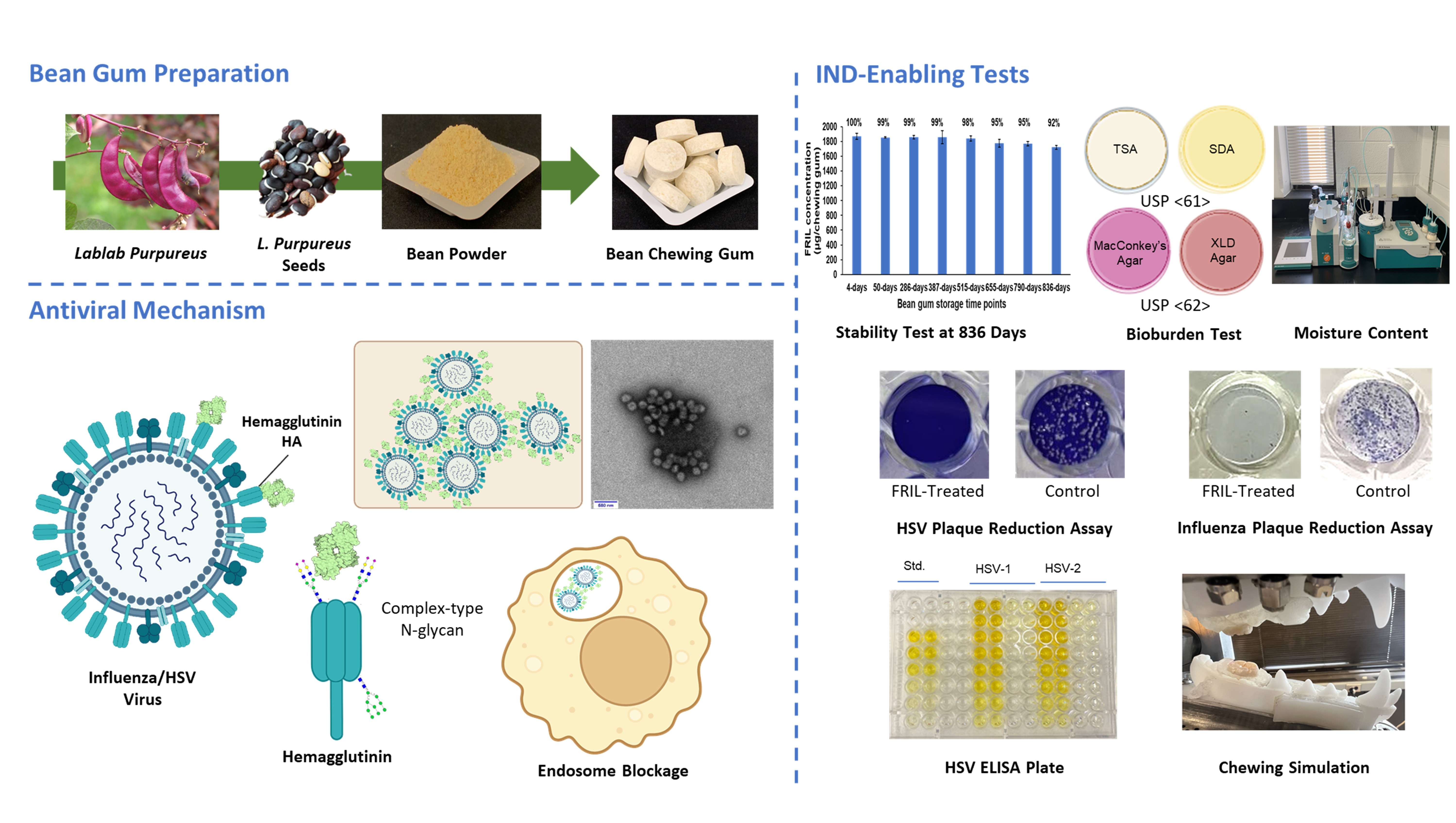
Building upon these findings, the team engineered a gum to combat HSV-1, HSV-2, H1N1, and H3N2, all viruses primarily spread through the mouth. Unlike immunization methods, this gum works locally within the oral cavity, which is critical for spreading many respiratory and contact-transmitted viruses.

Testing revealed that chewing a two-gram dose containing 40 milligrams of FRIL reduced viral counts by more than 95 percent, mirroring earlier COVID-19 outcomes. Notably, the gum was developed as a clinical-grade medicinal product that adheres strictly to FDA safety and manufacturing standards.
Practical Impact and Scientific Collaboration
Daniell highlighted the importance of tackling the oral route as a critical entry and spread point. “Given the inadequate influenza vaccination rates and absence of an HSV vaccine, innovative solutions that lower viral load where infections begin are essential,” explained the research team.
The protein FRIL showed strong and sustained antiviral effects during trials. Unlike conventional sprays or disinfectants, the gum allows FRIL to remain active in the mouth for an extended period, forming a protective barrier that binds viruses directly.
The project brought together experts from Penn Dental Medicine and Finnish institutions including the Natural Resources Institute Finland (Luke) and the University of Finland, reflecting increasing global cooperation around food-derived antiviral therapies.

Addressing the Urgent Challenge of Avian Influenza
Following their achievements in reducing SARS-CoV-2 and now influenza and herpes infections, Daniell’s team is focusing on another high-risk virus: avian influenza.
Recent outbreaks have affected more than 54 million birds in North America alone due to the H5N1 strain, with confirmed human cases in both the U.S. and Canada. The researchers are investigating the addition of lablab bean powder to bird feed as a potential method to disrupt viral transmission within poultry, aiming to prevent spillover to humans.
Evidence supporting this use is encouraging, as prior studies have demonstrated that FRIL-containing bean powder can neutralize H5N1 and H7N9 influenza A strains, which cause bird flu outbreaks across both birds and people.
Daniell remarked, “This development comes at a crucial time to help block infections and reduce transmission of both human and avian influenza viruses.”
- Categories:
- Science












0 comments
Sign in to Comment