
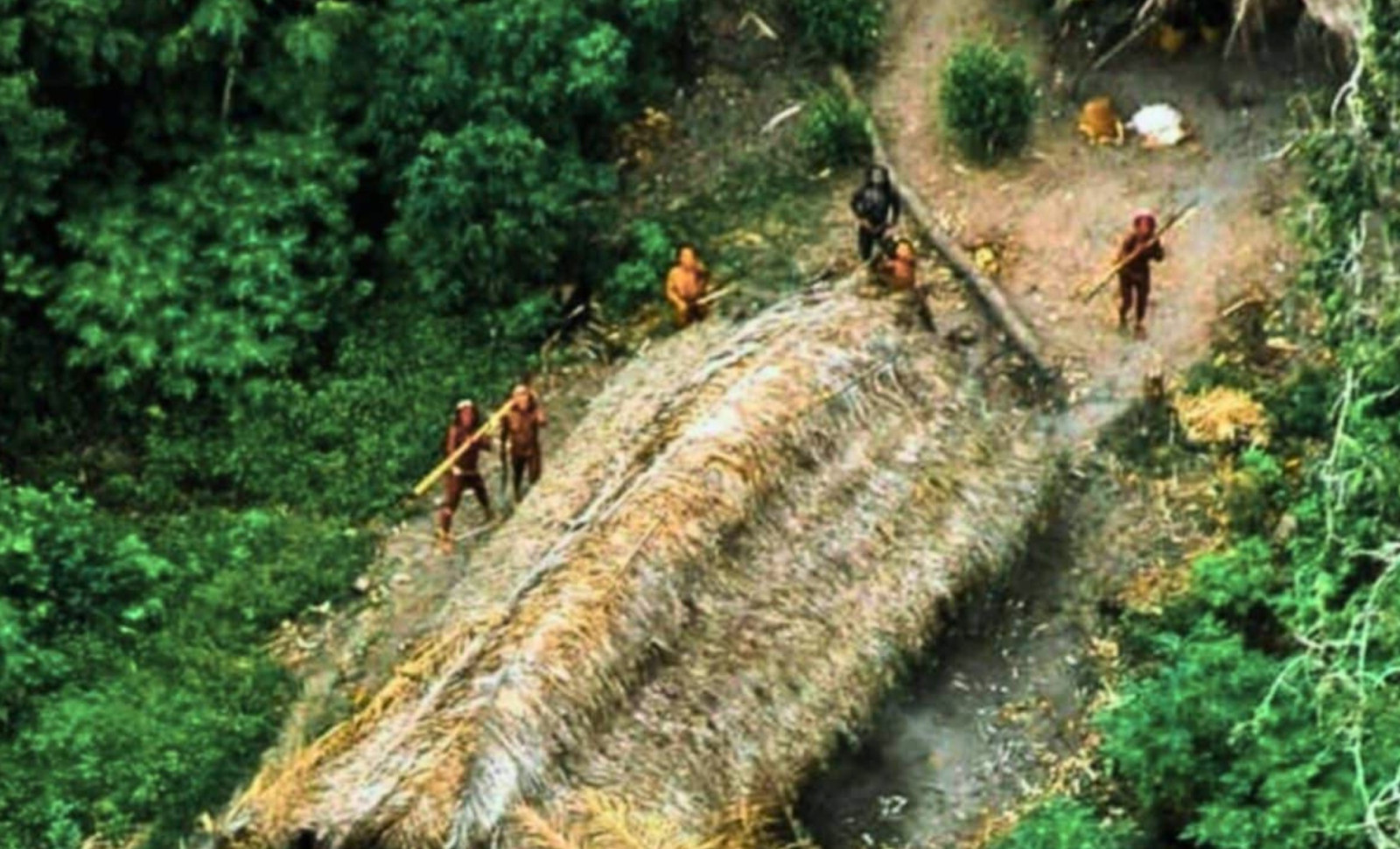
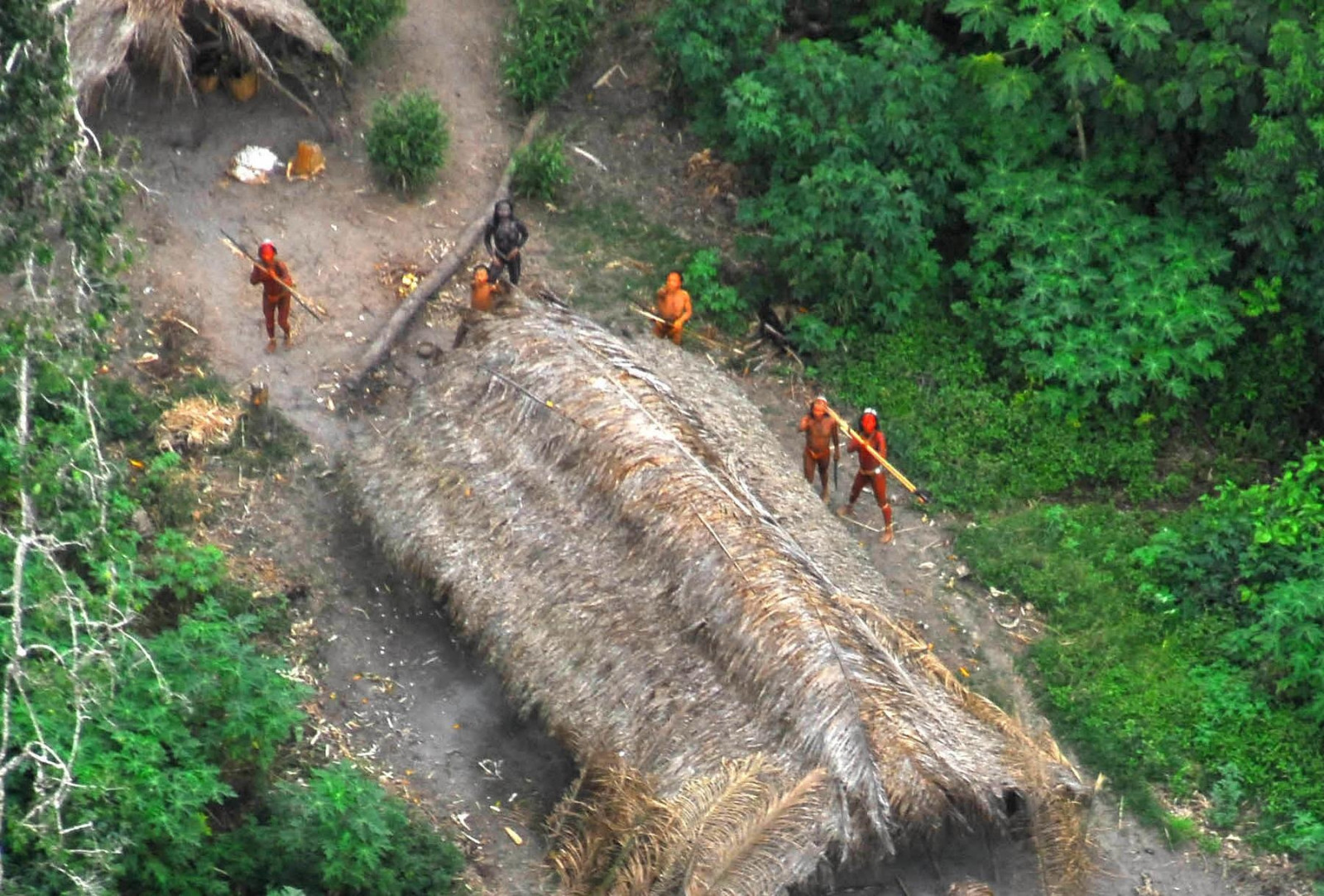
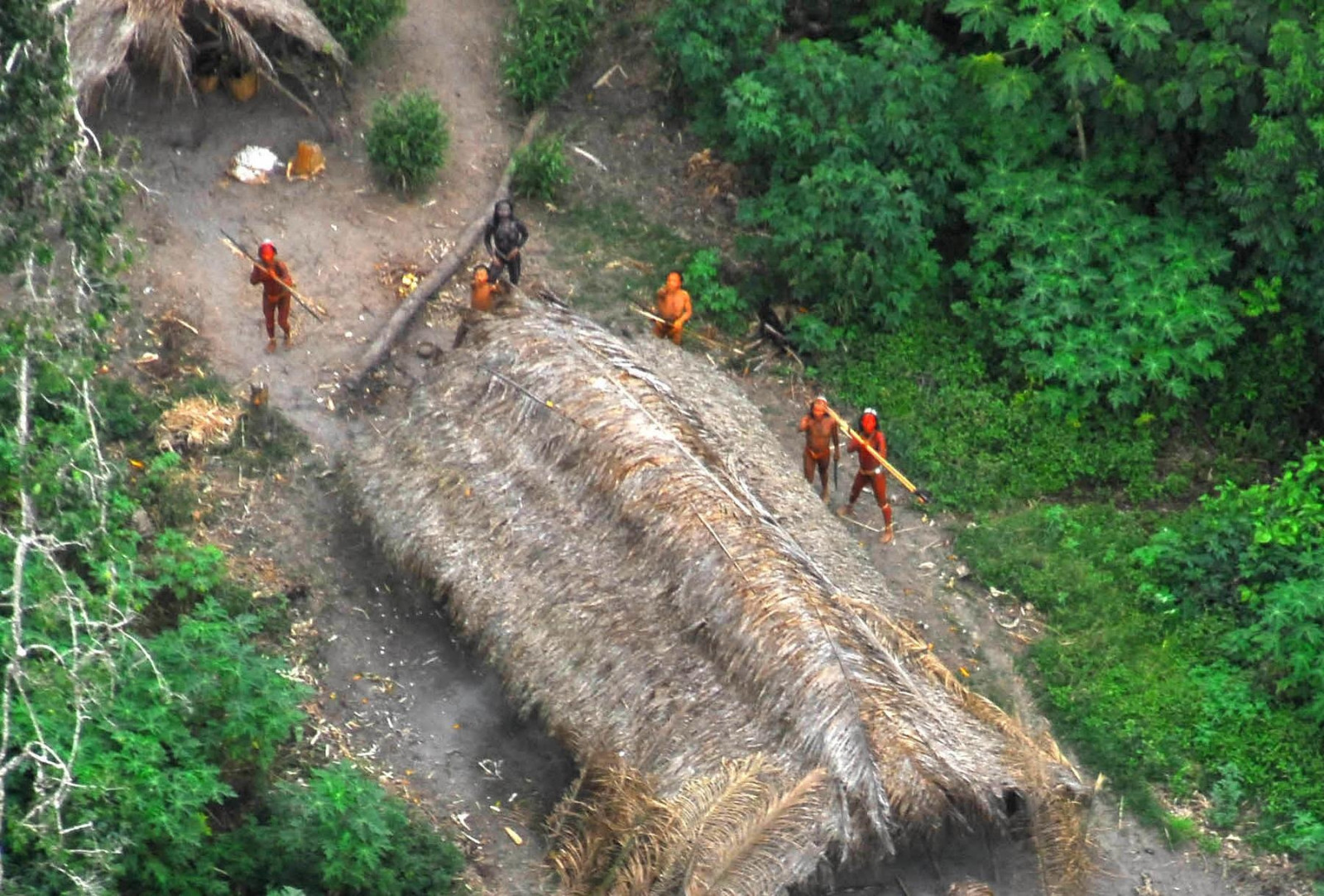
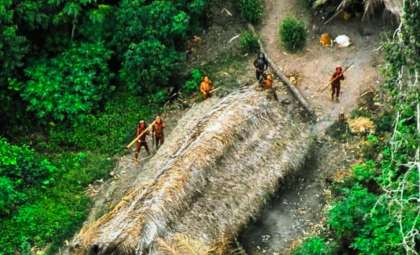
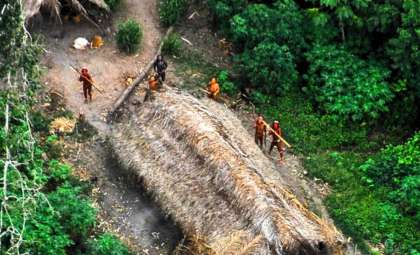
Aerial footage recorded by drones operated by conservation organizations and Brazil’s FUNAI, the official Indigenous affairs body, reveals glimpses of Indigenous peoples who have remained completely disconnected from modern civilization. The images depict men and women hidden beneath the dense forest canopy, some aiming bows and arrows at the drones overhead. The Amazon rainforest in Brazil hosts the largest population of uncontacted Indigenous communities worldwide, with FUNAI identifying over 100 distinct groups residing there.
The Javari Valley, bordering Peru, maintains the densest cluster of these untouched communities. Among them are the Korubo, nicknamed “clubmen” due to their use of hefty wooden clubs. In the Massaco Territory, another group numbering around 300 individuals wields massive bows, some reaching lengths beyond four meters, comparable to those used by Bolivia’s Sirionó tribe. Discarded tortoise shells at former camps indicate these reptiles form a key part of their diet.
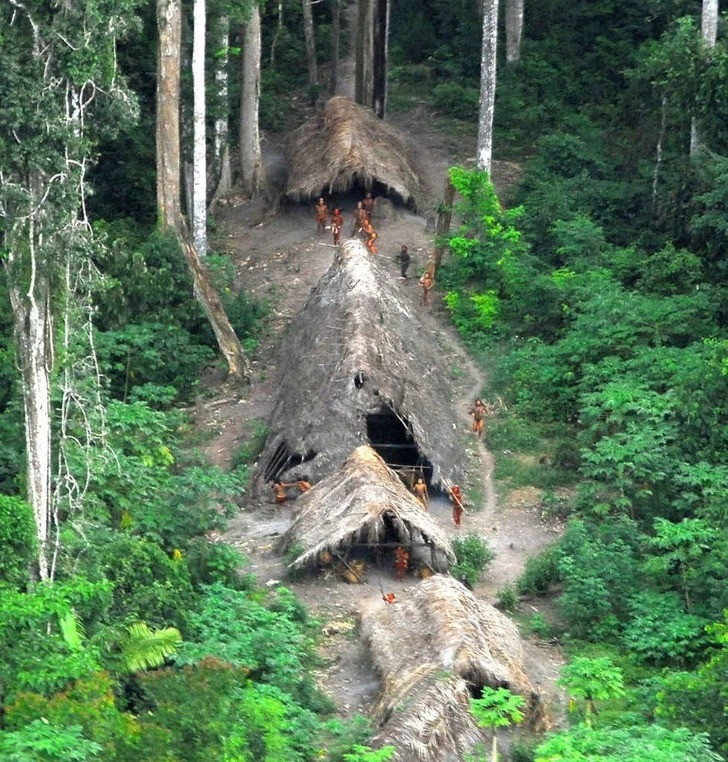
Their ongoing seclusion is deliberate and rooted in survival. As reported by Survival International, a worldwide Indigenous advocacy group, this isolation likely resulted from past brutal interactions with outsiders, particularly during the rubber boom when many Indigenous peoples were enslaved, forcing survivors to retreat deep within the forest.

The Awá: Forest Hunters and Wildlife Caretakers
Within Brazil’s uncontacted tribes, the Awá are among the most vulnerable. These nomadic hunter-gatherers inhabit the eastern Amazon, quickly constructing and abandoning forest shelters. The Awá use two-meter-long bows with arrows fletched with feathers from harpy eagles, skillfully tracking prey through territories they memorize entirely.
Awá family life includes raising various wild animals as companions—species such as coatis, wild pigs, king vultures, and monkeys are common. Capuchin monkeys, known for their playful behavior, are particularly favored. Remarkably, Awá women have been seen nursing young agoutis, small rodents they nurture alongside their children.
Their existence is increasingly threatened by industrial expansion rather than the natural environment. The Carajás iron ore mine in Brazil, containing the world’s largest deposit with seven billion tonnes, operates massive trains stretching over two kilometers, running near forests that uncontacted Awá still inhabit.
When the 900-kilometer railway was built during the 1980s, numerous Awá communities were displaced. Among a relocated group of 91 individuals, only 25 survived four years later due to diseases like malaria and influenza. An Awá man named Blade remarked to Survival International: “If you destroy the forest, you destroy the Awá too.”
Contact Can Introduce Deadly Diseases to Isolated Groups
The hazards of interacting with these isolated tribes remain current. Because they lack exposure to widespread illnesses such as influenza and measles, they have no innate defenses against them. Survival International documents indicate that up to half of the population can perish within a year following initial contact due to diseases unknowingly spread by outsiders. The Matis tribe suffered the loss of half their members, including many shamans, after such encounters.
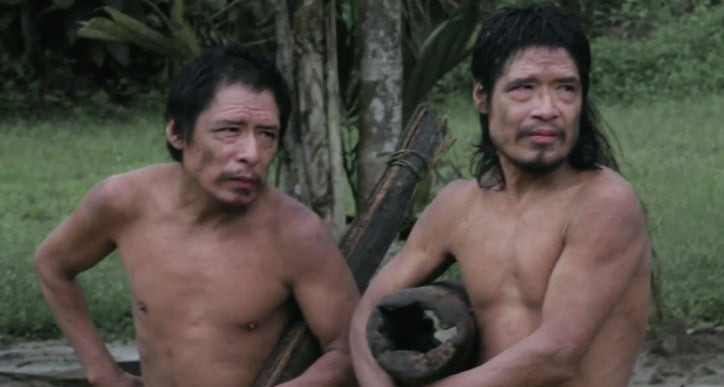
Several groups now consist of only a few survivors. The Piripkura, dubbed “butterfly people” by neighboring Gavião for their elusive movements, numbered about 20 when first documented by FUNAI in the late 1980s. Today, only two known relatives remain. Their hunting routes are increasingly obstructed by illegal logging, threatening their subsistence. The Kawahiva tribe of Rio Pardo, once around 50 to 100 members, appears to have decreased further, possibly ceasing reproduction due to constant displacement.
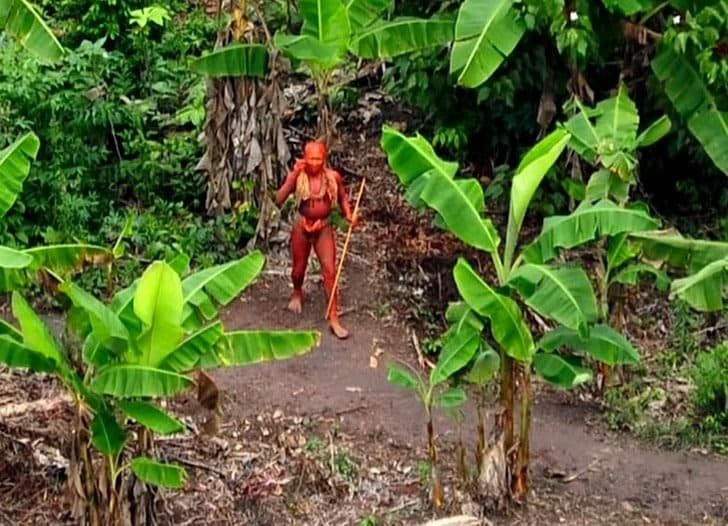
The most extreme known case involved a man from Rondônia state, known as the “Man of the Hole” for the pits he dug to hide or trap animals. Believed to be the sole survivor of a tribe decimated by ranchers, he lived in complete solitude for almost three decades, rejecting all contact attempts by FUNAI. He passed away in August 2022, leaving no trace of his identity, language, or origins.
FUNAI’s Approach: Protect Indigenous Lives by Avoiding Contact
Since 1987, FUNAI has maintained a strict policy: refrain from initiating contact. Instead of intruding into Indigenous lands, the agency assigns teams to guard borders and prevent invasions by illegal loggers, ranchers, and miners. As emphasized by Stephen Corry, former head of Survival International, the right to remain uncontacted belongs solely to these peoples.
Outside Brazil, the Sentinelese tribe of India represent one of the oldest examples of intentional isolation. Living on North Sentinel Island in the Andaman archipelago, they have resisted external contact for approximately 60,000 years. The Indian government enforces a no-entry zone around the island. Their population is estimated between 50 and 200 individuals. Anthropologist T. N. Pandit, one of the few permitted to observe them from a distance, reports they are completely self-reliant without any external support.
In 2014, following persistent campaigns by Survival International, Brazil deployed forces to expel illegal loggers from the Awá territory—one of the rare occasions when enforcement efforts matched the scale of intrusion. However, the Kawahiva lands near Rio Pardo remain unprotected, leaving their dwindling population vulnerable to ongoing logging operations encroaching on their home.
- Categories:
- News








0 comments
Sign in to Comment