
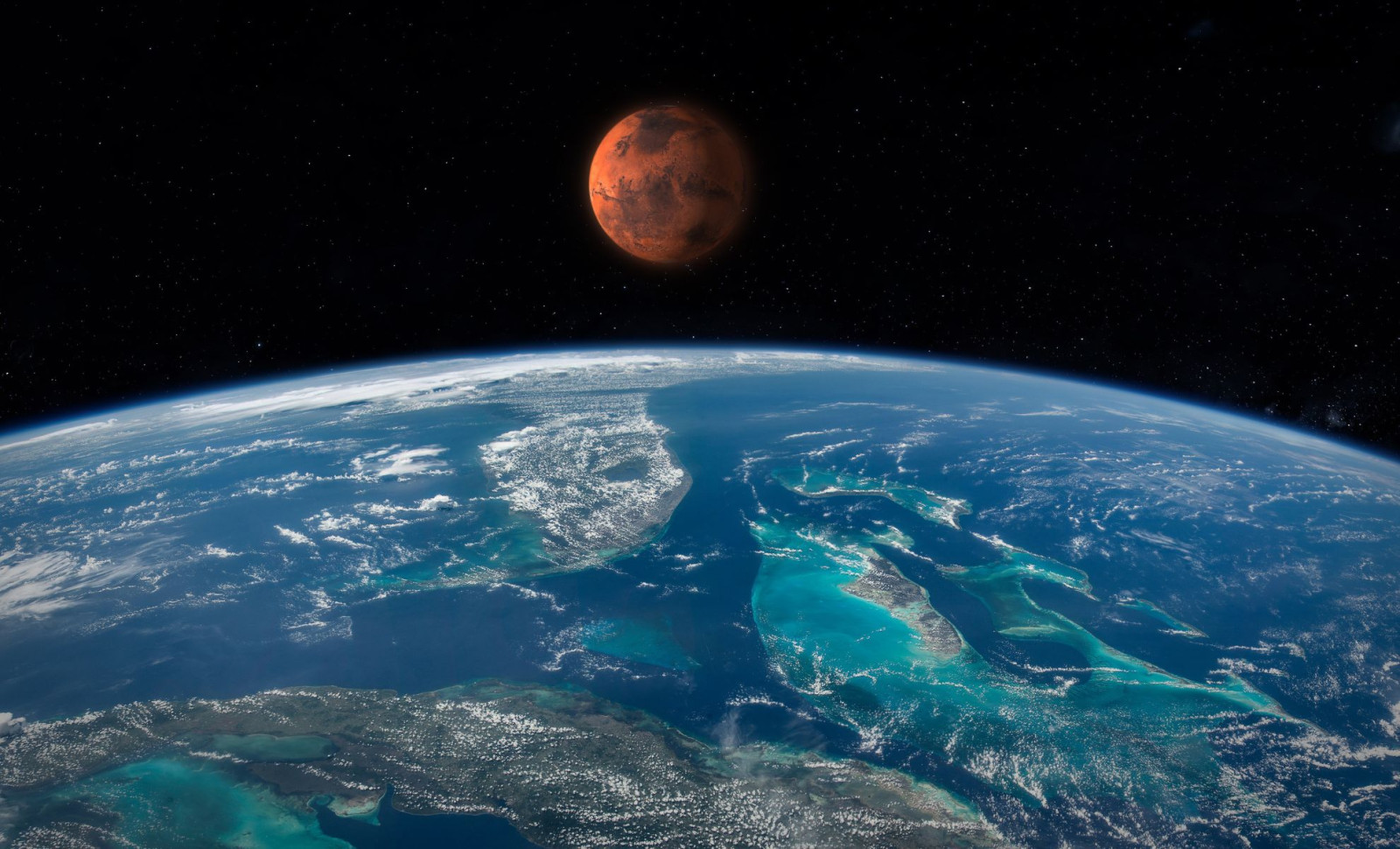
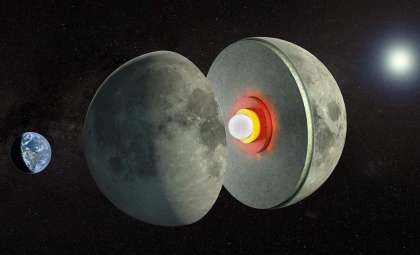
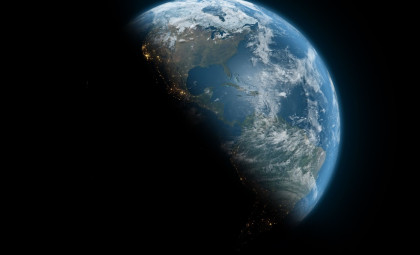
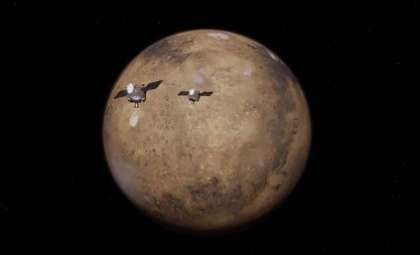
New research reveals that the chemical makeup of Earth closely resembles that of Mars, overturning previous ideas about the sources of our planet’s materials. The study indicates that Earth primarily formed from matter present in the inner Solar System, with minimal or no contribution from regions beyond Jupiter’s orbit.
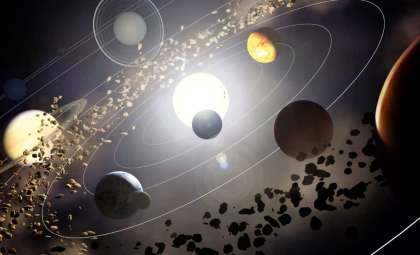
This finding refines our understanding of the early Solar System’s structure. By examining the chemical signatures in meteorites, scientists are reconstructing the processes by which Earth and neighboring planets accumulated their core and surface elements.
Identifying where Earth’s building materials originated is crucial for refining models of planet formation, understanding how essential volatiles like water were distributed, and evaluating the influence of giant planets like Jupiter on the inner planets’ development.

Using Meteorites to Track Planetary Origins
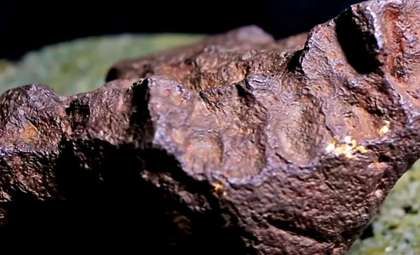
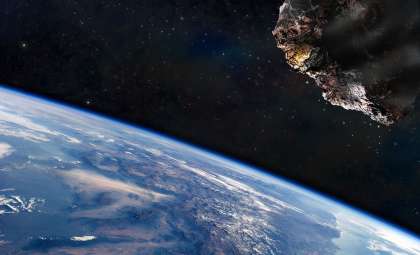
Meteorites serve as time capsules from the Solar System’s infancy, preserving fragments from when planetary bodies were forming. Published in Nature Astronomy, the research undertaken by Paolo Sossi and Dan Bower involved comparing isotopic compositions of meteorites from Mars and Vesta with that of Earth. Isotopes, different forms of the same element, provide clues about the origins of planetary materials.

The researchers concluded that the bulk of Earth’s material derives from within the inner Solar System. Bower highlighted that material from beyond Jupiter makes up less than 2% of Earth’s mass, potentially none at all. Sossi added:
“Our studies are actually data science experiments,” she says. “We carried out statistical calculations that are rarely used in geochemistry, even though they are a powerful tool.”
How Jupiter Shaped the Formation of Inner Planets
Jupiter’s gravity is believed to have significantly influenced the Solar System’s early setup, affecting Mars’ size, creating the asteroid belt, and separating material reservoirs in the young Solar System. According to a BBC article, the study explains that Jupiter carved a gap in the early Solar System’s dust disc, which stopped the outer Solar System’s materials from mixing with those in the inner region.
This separation probably restricted the flow of material from beyond Jupiter to Earth. Bower emphasized that these findings come directly from observational data, avoiding dependence on speculative physical models, thereby strengthening their validity.
Inner Rocky Planets Share Common Characteristics
Further results showed that Earth’s composition aligns closely with that of Mars and Vesta, while Venus and Mercury appear to share similar traits. Sossi explained that this research enables scientists to predict the composition of Venus and Mercury, enhancing our grasp of how inner rocky planets developed.
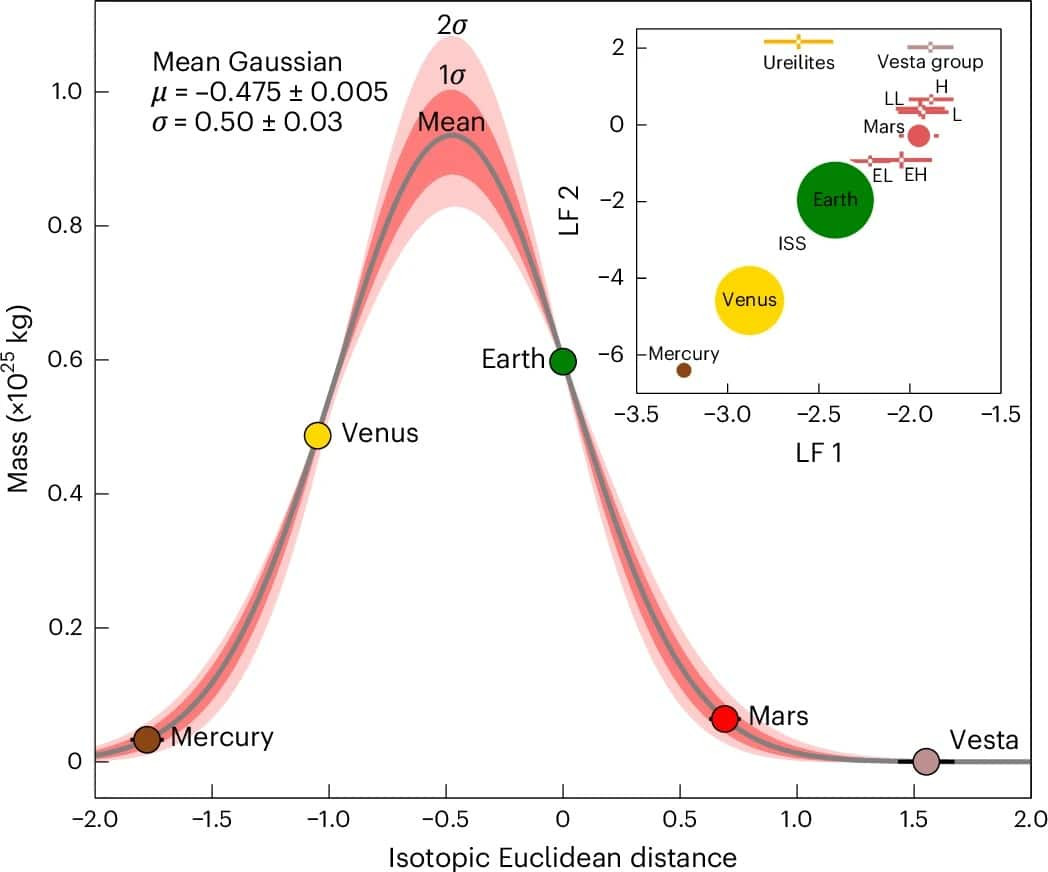
These insights deepen our knowledge of how terrestrial planets assembled from the Sun’s original protoplanetary disc. The study supports the idea that Earth and its neighbors formed from a stable, localized reservoir of material.
“Our results shed new light on the formation history of our Earth and the other rocky planets.” Sossi adds “Dan and I will have to engage in many heated debates about the material composition of Earth and its neighbouring planets, because the scientific discourse over the building blocks of Earth is far from over.”
- Categories:
- Astronomy



0 comments
Sign in to Comment